Will Home Warranties Cover Sump Pumps in 2026?
A sump pump serves as a critical defense against basement flooding, preventing water damage, mold growth, and structural issues. Failure of this essential device can lead to significant financial burdens. Homeowners frequently inquire whether their home warranty extends to sump pump repairs or replacements, particularly with evolving policy terms. Grasping the scope of coverage, along with strategies to optimize it, equips individuals to mitigate substantial repair expenses.
Understanding Sump Pump Coverage Under Home Warranties
Home warranties safeguard against the costs of repairing or replacing key home systems and appliances. Coverage for sump pumps hinges on the chosen plan and provider. Certain standard plans incorporate sump pumps within plumbing system protections, whereas others necessitate an add-on endorsement.
What Home Warranty Coverage Usually Includes
Standard sump pump coverage encompasses:
- Mechanical components, including the motor, float switch, and impeller
- Labor expenses tied to repairs from mechanical breakdowns
- Full pump replacement when repairs prove unfeasible
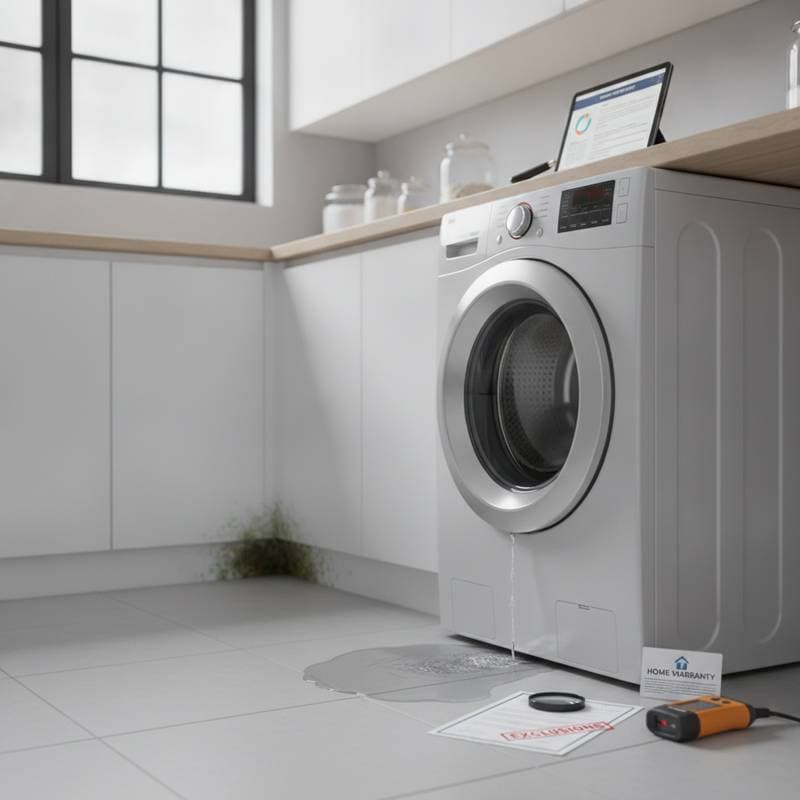
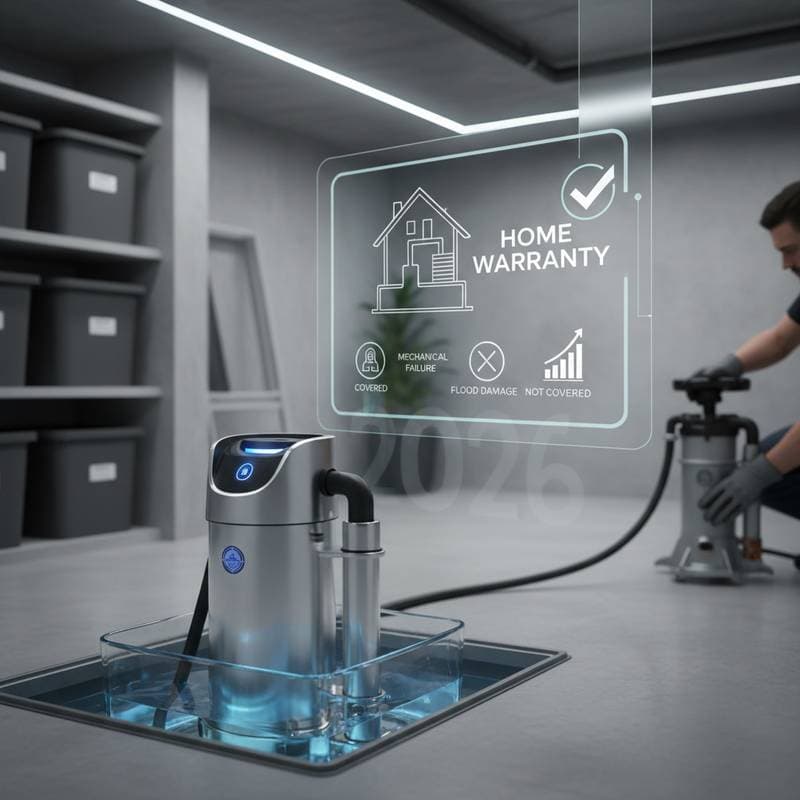
This protection activates for failures stemming from ordinary wear and tear. Warranties typically decline claims arising from neglect, faulty installation, or external flooding events.
What Home Warranty Coverage Often Excludes
Homeowners must note these frequent exclusions:
- Harm from power surges or electrical malfunctions
- Problems resulting from inadequate upkeep or sediment accumulation in the sump pit
- Battery backup units or auxiliary pumping systems
- Resulting flood damage to the basement or home foundation
Providers generally limit coverage to the pump unit alone, excluding secondary water damage. For instance, should a pump malfunction cause basement inundation, the warranty addresses pump restoration but not flood remediation.
Factors That Influence Coverage
Type of Sump Pump
Distinctions exist between pedestal and submersible models in coverage eligibility. Certain warranties designate specific types, while others accommodate both. Submersible pumps, positioned below water levels, demand higher replacement costs yet provide enhanced durability and efficiency.
Location and Usage
Properties in regions prone to intense precipitation or elevated groundwater levels depend more on sump pumps. Increased operational demands accelerate component degradation, heightening the importance of warranty protections. Providers might restrict claims for pumps subjected to overuse or integrated into elaborate drainage setups.
Maintenance Requirements
Warranty agreements often mandate routine servicing to sustain validity. Tasks include sump pit decontamination, float switch functionality checks, and electrical inspections. Maintaining records of these activities bolsters claim approvals and demonstrates adherence to terms.
DIY vs Professional Replacement
Can You Replace a Sump Pump Yourself?
Individuals with plumbing expertise may handle sump pump substitution independently. Primary expenses involve:
- The pump assembly: $100 to $500
- PVC pipes and check valves: approximately $50
- Essential tools and connectors: $50 or less
Self-installation reduces labor fees, yet errors risk leaks, electrical dangers, or policy invalidation. When a warranty applies, professional involvement ensures compliance for subsequent claims.
Why Professional Service Might Be Worth It
Engaging a certified plumber incurs $300 to $700, covering parts and workmanship. Experts verify proper positioning of the pump and discharge piping, while confirming electrical compliance with codes. Such precision preserves warranty integrity and enhances home safety.
Your Sump Pump Warranty Questions, Answered
Does every home warranty cover sump pumps?
No. Basic policies may omit sump pumps, with inclusion varying under plumbing provisions. Examine contract language to confirm protections.
Can I add sump pump coverage later?
Yes. Providers commonly permit add-on purchases for sump pump safeguards at additional cost. This upgrade proves prudent for flood-vulnerable basements.
Will a home warranty cover water damage from a failed pump?
Typically no. Warranties address pump malfunctions, not consequent flooding. Homeowners insurance handles such perils.
What is the difference between a home warranty and insurance?
Home warranties manage repairs for system and appliance breakdowns from usage. Insurance protects against perils like storms or fires.
Are battery backup systems included?
Most policies exclude backups as optional features.
How often should I test my sump pump?
Conduct tests quarterly by introducing water to the pit and observing activation. Log these evaluations for claim support.
What happens if my sump pump fails due to a power outage?
Power-related failures fall outside coverage. Backup power solutions mitigate risks, though units themselves lack protection.
Is improper installation covered?
No. Faulty setups prompt claim rejections. Retain professional installation documentation.
Can I transfer coverage if I sell my home?
Yes. Transferable warranties enhance property appeal.
How to Decide: Your Step-by-Step Guide
Step 1: Review Your Current Coverage
Scrutinize the warranty document, focusing on plumbing or add-on clauses referencing sump pumps or drainage elements.
Step 2: Evaluate Your Risk Level
Assess basement history for dampness or groundwater exposure. High-risk settings justify dedicated coverage to avert unreimbursed failures.
Step 3: Compare Costs
Examine provider premiums, deductibles, and add-on fees. Factor in potential repair savings against annual policy expenses to identify optimal value.
Step 4: Confirm Maintenance Requirements
Identify stipulated upkeep protocols, such as cleaning frequencies and testing intervals. Align home practices with these to avoid coverage lapses.
Step 5: Make an Informed Choice
Select a plan balancing comprehensive sump pump inclusion with affordable terms. Proceed with add-ons where necessary to fortify protections.
Preparing for Your Sump Pump Project
- Examine the existing pump for corrosion, unusual sounds, or sluggish performance.
- Evacuate the sump pit and unclog the discharge conduit.
- Verify float switch responsiveness.
- Consult warranty paperwork for precise coverage outlines.
- Arrange alternative power options for outage scenarios.
Sustaining Sump Pump Reliability
Regular vigilance extends pump lifespan and upholds warranty benefits. Integrate seasonal inspections into home routines, addressing minor issues promptly. This proactive approach minimizes disruptions and preserves property value against water threats.