Plan HVAC Filter Changes for Better Home Air Quality
Clean indoor air supports comfort, health, and energy savings. Many homeowners overlook the simplest method to maintain fresh air: establishing a regular HVAC filter schedule. A structured maintenance routine prevents dust accumulation, ensures steady airflow, and reduces energy consumption. This guide details how to organize filter changes by season, select appropriate types, and develop habits that optimize system performance.
How Often to Change Your HVAC Filter
The lifespan of an HVAC filter varies based on multiple factors. Filter type, home size, number of residents, and daily activities all influence replacement frequency. For instance, households with pets, smokers, or high dust levels require more frequent changes compared to a compact apartment with low occupancy.
General guidelines for replacement intervals, tailored to household conditions, include the following:
- Standard fiberglass filters: Replace every 30 days.
- Pleated filters with medium efficiency: Replace every 60 to 90 days.
- High-efficiency or HEPA filters: Replace every 120 days or according to manufacturer guidelines.
- Homes with pets or allergy sufferers: Replace every 30 to 60 days.
Visual Check Tip
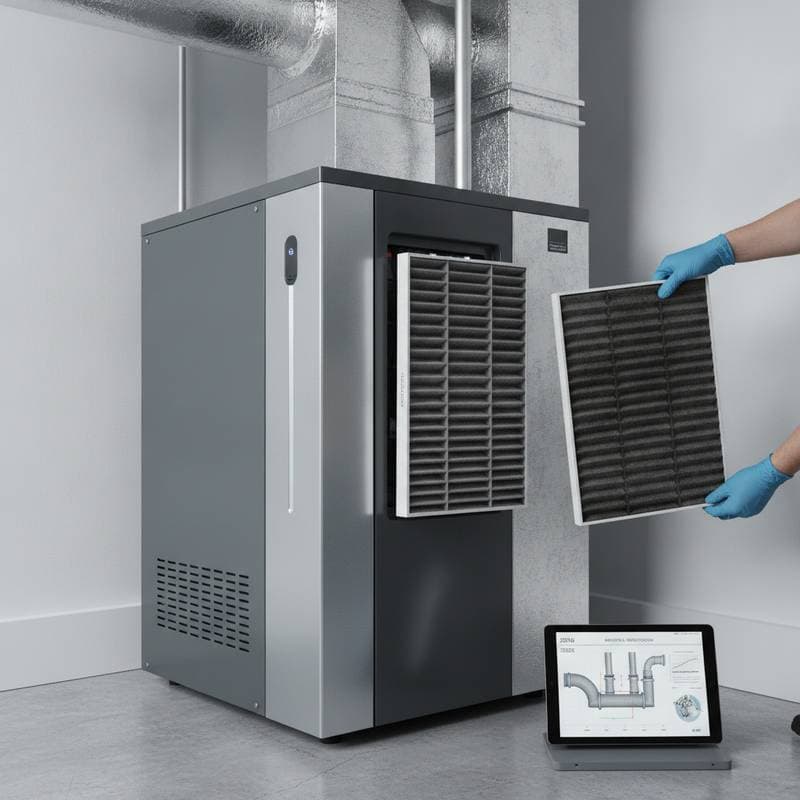
Examine the filter by holding it against a light. If light fails to pass through, the filter has become clogged and demands immediate replacement. Perform this inspection proactively to avoid diminished system efficiency from excessive dust.
Types of HVAC Filters and What to Choose
Selecting the appropriate filter strikes a balance between air purification, equipment efficiency, and budget considerations. The following outlines common filter varieties, highlighting their strengths and limitations.
Fiberglass Filters
- Pros: Inexpensive and easy to dispose of.
- Cons: Trap only larger particles; inadequate for allergy management.
- Best for: Residences without pets or respiratory health issues.
Pleated Filters
- Pros: Enhanced particle retention, extended durability, and reasonable cost.
- Cons: Potential for increased energy draw if replacements lag.
- Best for: Standard family homes seeking reliable filtration.
Electrostatic Filters
- Pros: Reusable after washing; effective against fine dust and allergens.
- Cons: Demand cleaning every few weeks to maintain function.
- Best for: Environmentally aware owners willing to invest time in upkeep.
HEPA Filters
- Pros: Remove minuscule particles such as smoke, pollen, and microbes.
- Cons: Higher upfront expense; possible need for HVAC modifications to preserve airflow.
- Best for: Households with severe allergies or breathing difficulties.
When evaluating options, consider the MERV rating, which measures filtration effectiveness on a scale from 1 to 16. Higher ratings indicate superior capture of smaller contaminants. For most residences, filters with MERV ratings of 8 to 12 provide optimal results without straining the system.
Seasonal Strategies for Filter Maintenance
Aligning filter changes with seasonal shifts enhances system adaptability to changing air conditions. In spring and fall, increased pollen and debris necessitate more vigilant monitoring. Summer humidity and winter dryness also impact filter performance, making quarterly reviews essential.
Begin by assessing your local climate. In dusty regions, shorten intervals during peak seasons. Track outdoor air quality reports to anticipate heavier loads on your HVAC system, adjusting schedules accordingly for proactive care.
Setting Up a Filter Change Schedule
A reliable schedule fosters adherence and prevents oversights. Leverage digital calendars, mobile applications, or a physical log positioned near the HVAC unit for quick reference.
Step-by-Step Setup
- Inventory all HVAC components in the home, such as furnaces, air conditioners, and standalone purifiers.
- Document the filter type and dimensions for each unit.
- Determine replacement timelines using manufacturer specifications or adjusted for home-specific factors.
- Program alerts on digital devices or calendars, using descriptive labels like "Replace basement furnace filter."
- Stock spare filters in accessible storage to facilitate prompt swaps.
- Maintain a change log recording dates and filter conditions to monitor trends and refine future plans.
Suggested image: Printed calendar marked with HVAC change reminders (alt text: “calendar showing scheduled HVAC filter change dates”).
For property managers overseeing several locations, implement color coding in reminders to streamline organization. Regular adherence yields noticeable improvements in air purity and operational costs.
Smart Tools for Filter Maintenance
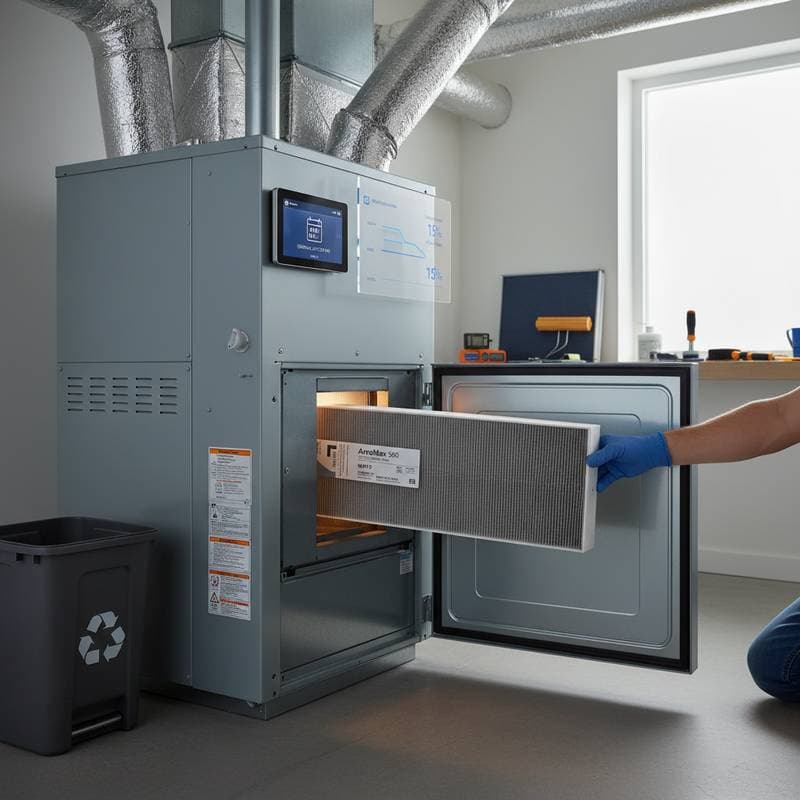
Modern technology simplifies upkeep tasks. Integrated smart HVAC systems and networked thermostats monitor filter status in real time, issuing notifications via mobile devices when replacement approaches due to reduced airflow.
Air quality sensors provide additional precision by quantifying indoor particulate matter and recommending timely interventions. Compatible with voice-activated assistants, these devices deliver hands-free guidance, integrating seamlessly into daily routines.
Suggested image: Smart thermostat screen showing filter replacement reminder (alt text: “smart thermostat alert for HVAC filter change”).
Adopting these innovations minimizes manual tracking, enabling a precise, informed strategy for sustaining optimal indoor environments.
Real-World Results and Social Proof
Homeowners adhering to structured filter routines frequently observe tangible gains. Discussions on home improvement forums highlight diminished allergy symptoms and less surface dust following the adoption of monthly inspections.
Professional HVAC specialists, drawing from industry experiences, emphasize that diligent filter care substantially prolongs blower motor longevity and averts costly repairs. Systems with clean filters operate more quietly and efficiently, contributing to overall household well-being.
Achieve Lasting Benefits with Consistent Maintenance
Implementing a filter change plan transforms routine upkeep into a cornerstone of home health. Expect lower utility bills from improved efficiency, alongside superior air quality that enhances daily living. Start today by auditing your current filters and mapping out your first schedule; the rewards in comfort and savings will follow swiftly.