Why Upgrade HVAC Filters in Fall
Fall brings cooler temperatures, closed windows, and more time spent indoors, which increases the workload on your heating, ventilation, and air conditioning system. Dust, pollen, and other allergens accumulate faster during this season, potentially straining your HVAC unit and raising energy consumption. Installing a higher-quality filter addresses these challenges by capturing more particles, improving airflow, and maintaining system efficiency.
A well-chosen filter not only traps common irritants like pet dander and mold spores but also prevents debris from clogging coils and ducts. This leads to smoother operation, reduced strain on the blower motor, and potential savings of up to 15 percent on heating bills. Homeowners who prioritize seasonal upgrades report fewer allergy symptoms and longer equipment lifespan.
Assessing Your Home's Air Quality Needs
Begin by identifying specific factors that affect your indoor environment. Evaluate the presence of allergies among household members, as certain filters excel at capturing pollen and dust mites. Consider pets, which shed fur and dander that circulate through vents, or sensitivities to smoke and chemicals from nearby sources.
Conduct a simple inspection of your current setup. Check for visible dust on surfaces near registers or a musty odor indicating poor filtration. If anyone experiences frequent respiratory issues during seasonal changes, prioritize filters rated for finer particle capture. This assessment ensures the upgrade aligns with your household's unique requirements.
Selecting the Right Filter for Your System
Filters vary by material, thickness, and efficiency rating, measured by the Minimum Efficiency Reporting Value (MERV). Standard fiberglass filters offer basic protection with MERV ratings of 1 to 4, suitable for minimal needs but insufficient for allergen control. Pleated filters, with MERV 8 to 13, balance cost and performance, trapping smaller particles like mold and pet dander without restricting airflow.
For advanced protection, high-efficiency particulate air (HEPA) filters achieve MERV 17 or higher, capturing 99.97 percent of particles as small as 0.3 microns. However, these require compatible systems to avoid reduced efficiency. Consult your HVAC manual to determine the maximum MERV your unit supports, typically 8 to 13 for residential setups.
Pricing reflects quality and size. Basic 1-inch pleated filters cost $10 to $20 each, while 4-inch models range from $20 to $40. Custom sizes or HEPA options may exceed $50. Factor in replacement frequency: lower-MERV filters last one to three months, whereas higher-rated ones endure up to six months with proper care.
- Measure your filter slot precisely to ensure a snug fit.
- Review system specifications for airflow compatibility.
- Select based on needs: MERV 8+ for allergies, higher for severe sensitivities.
- Compare brands for durability and electrostatic charge, which enhances particle adhesion.
Budgeting for Filter Upgrades
Establish a clear budget to guide your purchase without compromising quality. Entry-level filters keep annual costs under $100 for a standard home, while premium options may reach $200 to $300 yearly. Weigh initial expense against long-term savings from improved energy efficiency and reduced repair needs.
Allocate funds for tools if opting for DIY installation, such as a screwdriver or vacuum attachment, typically under $20. Professional services add $50 to $150 per visit, valuable for complex systems or verification of fit. Track expenses over seasons to refine future budgets, ensuring sustainable maintenance.
DIY Installation Versus Professional Assistance
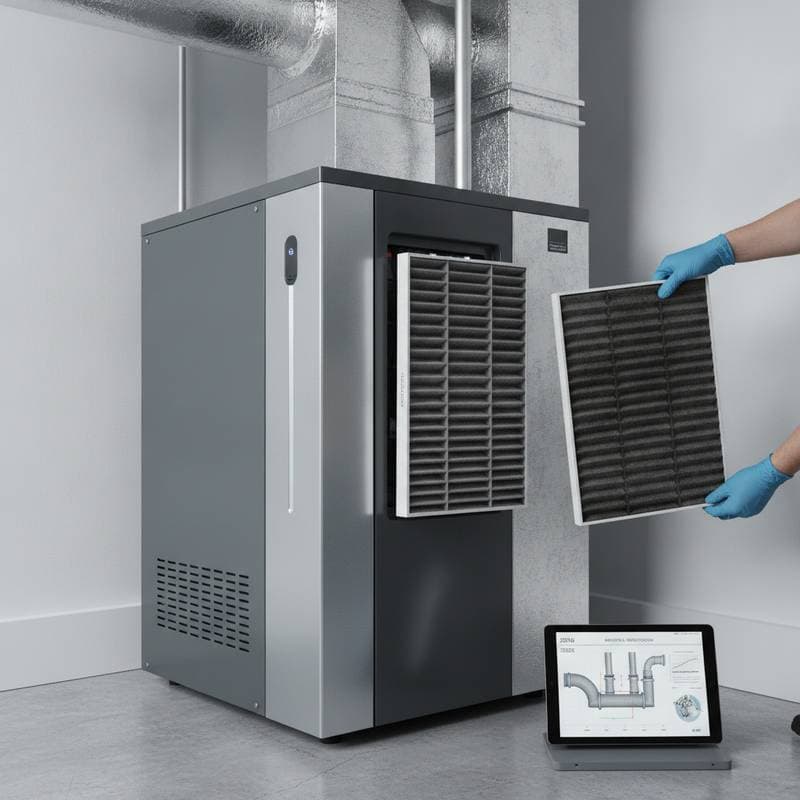
Replacing a filter yourself saves time and money for straightforward systems. Locate the filter slot, usually near the return air duct or furnace, and power off the unit at the thermostat and breaker. Slide out the old filter, note its airflow direction (indicated by an arrow), and insert the new one securely.
Inspect for issues during replacement, such as bent frames or excessive dirt, which signal deeper cleaning needs. Test the system afterward by running the fan and listening for unusual noises. If your setup involves tight spaces or multiple filters, hire a technician to avoid improper installation that could void warranties or cause damage.
Professionals provide expertise for older units or whole-home systems. They assess compatibility, clean surrounding components, and recommend schedules tailored to your usage. Schedule an annual tune-up alongside filter changes for comprehensive care.
Preparing for a Successful Fall Replacement
Preparation minimizes errors and maximizes benefits. Confirm the filter dimensions using a tape measure, as sizes like 16x25x1 are common but vary by model. Gather supplies including gloves to handle dusty filters and a trash bag for disposal.
Shut down the HVAC system completely before starting. Remove the old filter and examine it for wear; heavy soiling indicates overdue maintenance. Clean vents and registers with a soft brush or vacuum to enhance circulation, removing accumulated fall debris like leaves or pollen.
Establish a maintenance calendar. Mark reminders every 60 to 90 days, adjusting for high-traffic homes or nearby construction. This routine prevents oversight and sustains air quality through winter.
Long-Term Advantages of Regular Filter Maintenance
Consistent filter upgrades yield enduring rewards for comfort and finances. Cleaner air reduces allergy flare-ups, promoting better sleep and productivity. Enhanced filtration eases system operation, potentially extending equipment life by years and avoiding breakdowns during peak heating seasons.
Energy savings accumulate over time, with efficient filters optimizing blower performance and minimizing electricity use. Healthier indoor environments support overall well-being, particularly for vulnerable family members. Integrate these practices into your home care routine for reliable, cost-effective results year after year.