Understanding Greywater Systems
Greywater refers to wastewater from household sources such as laundry, showers, and sinks, excluding toilet waste. These systems collect and repurpose this water for irrigation or flushing toilets, reducing overall water consumption. Homeowners increasingly adopt greywater solutions to address water scarcity and rising utility costs.
Implementing a greywater system requires careful planning to ensure efficiency and compliance with local regulations. Systems range from simple diverter valves for laundry water to complex filtration setups for whole-home use. Each type offers distinct advantages based on household needs and budget constraints.
Benefits of Greywater Reuse
One primary advantage lies in significant water bill reductions. A typical household uses thousands of gallons annually for landscaping alone. By redirecting greywater, users can conserve up to 50 percent of indoor water output, translating to hundreds of dollars in yearly savings.
Environmental impacts extend beyond cost savings. Greywater systems minimize freshwater demand and reduce strain on municipal treatment facilities. Healthier gardens result from consistent, nutrient-rich irrigation, promoting biodiversity without chemical fertilizers.
Long-term sustainability improves property value in water-conscious regions. Many areas offer rebates or incentives for eco-friendly installations, further enhancing financial returns.
Installation Costs and Return on Investment
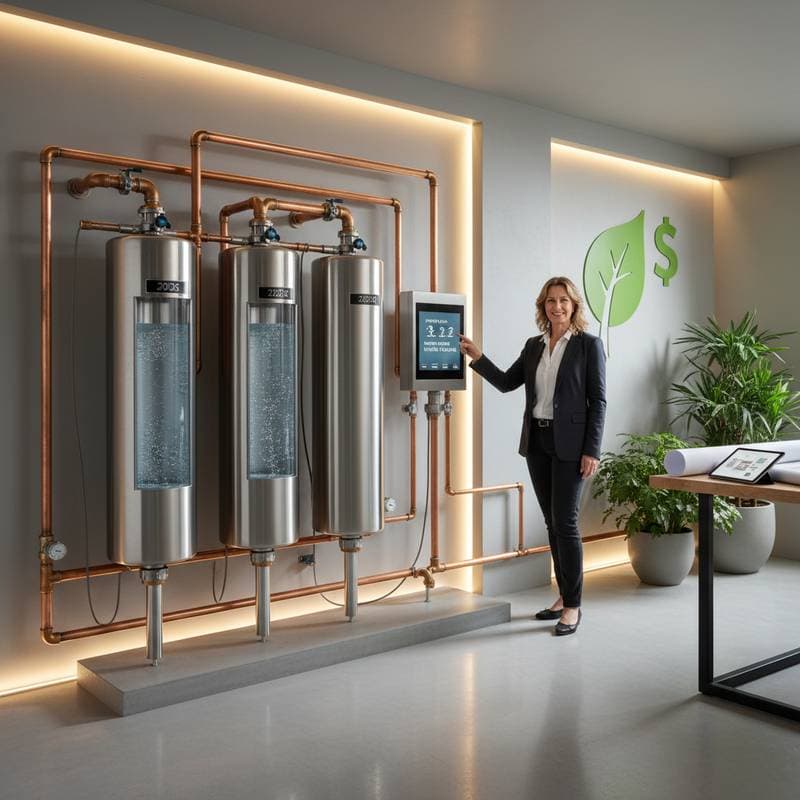
Initial costs vary by system complexity. Basic laundry-to-landscape diverters start at $200, including parts and basic plumbing. Full-house systems with advanced filtration can reach $5,000 to $10,000, depending on home size and filtration needs.
Permit requirements differ by location. Most municipalities mandate inspections for systems exceeding simple diverters. Expect fees of $100 to $500, plus professional assessments if plumbing modifications are extensive.
Return on investment typically occurs within three to five years. For a $2,000 system in a moderate-use home, monthly savings of $20 to $50 accumulate quickly. Larger households or arid climates accelerate payback through higher baseline water expenses.
Step-by-Step Installation Guide
Begin with a thorough assessment of your home's plumbing. Identify greywater sources like washing machines and bathroom sinks. Map irrigation needs, ensuring plants tolerate mild soaps without salt buildup.
Select appropriate components. Diverter valves allow manual or automatic redirection of water flow. For filtration, choose surge tanks with screens to remove lint and debris, preventing clogs in distribution lines.
Professional installation is advisable for complex setups. Licensed plumbers ensure code compliance and avoid leaks. DIY options suit simple systems, but consult local guidelines to prevent fines or rework.
Connect the system securely. Route pipes to mulch basins or drip irrigation lines, avoiding edible crops to minimize health risks. Test the setup thoroughly before regular use.
Avoiding Common Pitfalls
Select compatible cleaning products from the outset. Harsh detergents with high sodium or phosphorus levels harm soil and plants. Opt for biodegradable, low-sodium soaps designed for greywater systems to maintain effectiveness without environmental damage.
Plan pipe routing to prevent cross-contamination. Keep greywater lines separate from blackwater systems. Incorrect setups lead to bacterial growth or plumbing failures.
Correcting these issues later can cost hundreds of dollars, so plan carefully from the start. Budget for initial consultations with experts to identify potential challenges unique to your property.
Accessibility and Safety Considerations
For households with elderly members or those with limited mobility, accessible valve placement is essential. Install diverter valves no higher than 48 inches from the floor for easy reach. Position switches at standard heights to accommodate wheelchairs or reach limitations.
If you include a storage tank, ensure controls are labeled clearly and positioned for safe operation. Use weatherproof signage and intuitive designs to reduce accident risks. Avoid underground tanks that require bending or kneeling unless you have remote access valves.
Safety extends to electrical components in automated systems. Ground all pumps and timers properly to prevent shocks. Regular checks confirm secure connections and functioning safeguards.
Ongoing Maintenance Practices
Once installed, keep filters clean and inspect pipes twice a year. Remove debris from screens monthly to maintain flow rates. Monitor soil moisture to adjust irrigation and prevent overwatering.
Annual professional inspections detect wear on valves and seals. Address minor issues promptly to avoid costly repairs. Document maintenance logs for warranty claims or resale documentation.
A few hours of maintenance ensures reliable performance and long-term savings. Track water usage pre- and post-installation to quantify benefits and refine system efficiency.
Realizing the Full Potential
A well-designed greywater system is more than a cost-saving tool. It is an investment in sustainability that pays off through lower bills, healthier landscapes, and a smaller environmental footprint. Evaluate your home's plumbing layout and water usage patterns to determine the best fit.
Consult local resources for rebates and support programs. With proper setup and care, these systems deliver enduring value. Embrace greywater reuse to contribute to water conservation efforts while enhancing your home's resilience.