Understanding Greywater Systems for Water Savings
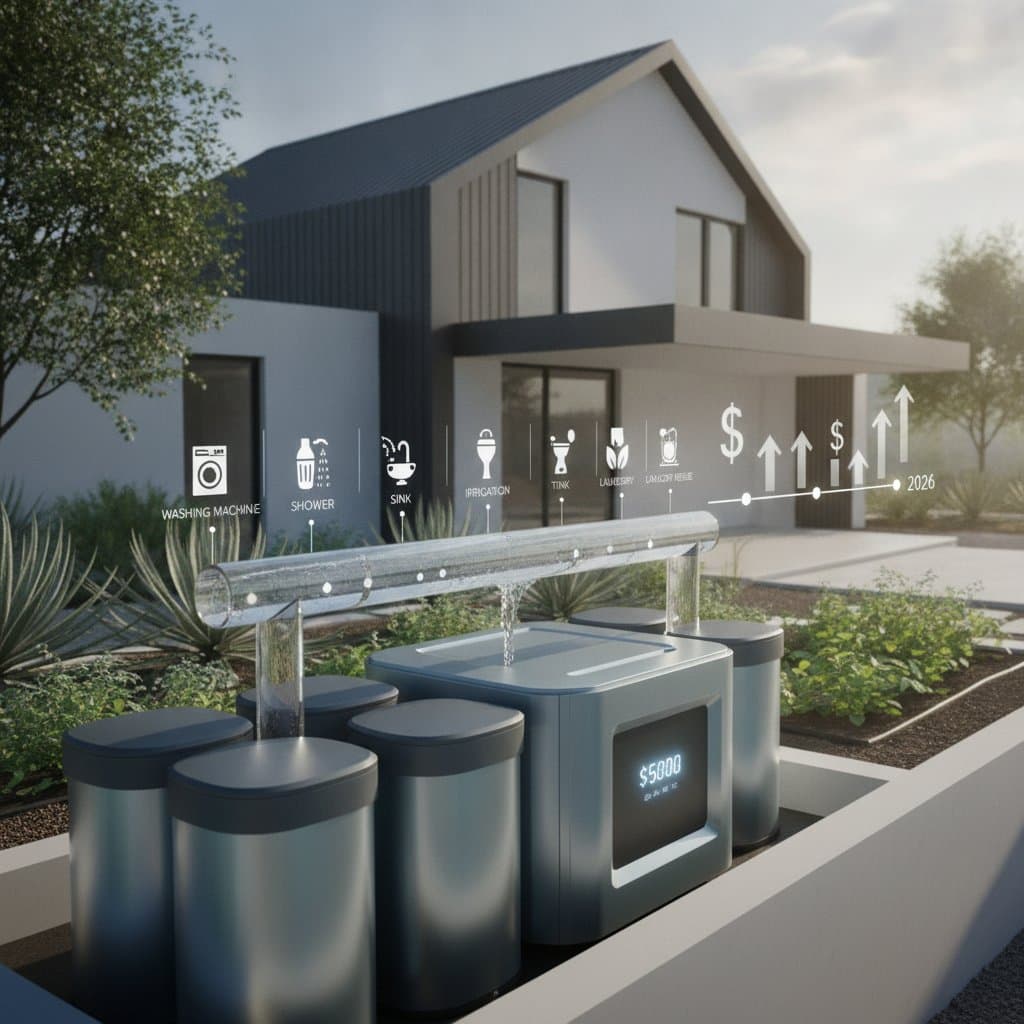
Homeowners seek ways to lower water consumption and utility expenses. Greywater systems provide a reliable method to achieve these goals while supporting environmental conservation. These systems capture water from sources such as showers, bathtubs, and washing machines, then redirect it for uses like garden irrigation or toilet flushing.
Such reuse reduces reliance on municipal water supplies. In regions facing water shortages, these installations maintain healthy landscapes without violating restrictions. Property owners who install them often report noticeable decreases in monthly bills, sometimes by 30 to 50 percent, depending on household size and usage patterns.
The Mechanics of Greywater Systems
Greywater systems operate through a series of connected processes that ensure safe and effective water reuse. Begin with collection, where water from designated fixtures enters a dedicated piping network separate from wastewater lines. This prevents mixing with blackwater, which contains sewage.
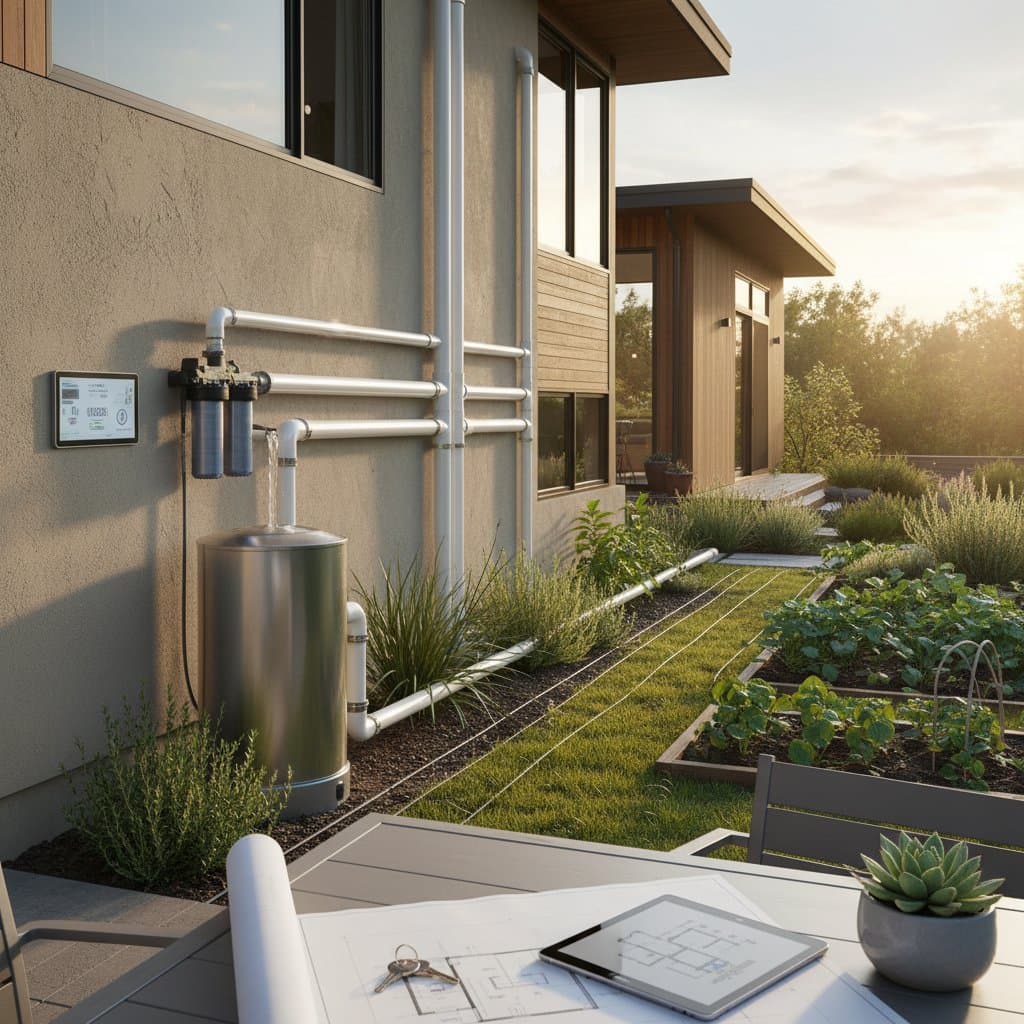
Next, filtration removes debris like hair, lint, and soap particles. Basic systems use mesh screens, while advanced ones incorporate biological treatments to break down organic matter. Distribution follows, with pumps or gravity directing the treated water to storage tanks or directly to application sites.
Finally, the water reaches its destination through drip irrigation lines or low-flow fixtures. Proper design avoids issues such as bacterial growth or pipe corrosion. Engage a professional plumber certified in greywater to assess your home and select components that align with your needs.
Navigating Permits and Regulations
Local authorities establish specific rules for greywater installations to protect public health and the environment. Most jurisdictions mandate a permit for any system that modifies existing plumbing. Simple setups, such as laundry-to-landscape conversions, may qualify for permit exemptions if they adhere to guidelines on flow rates and discharge locations.
Key stipulations typically include separation from drinking water sources, subsurface application to minimize exposure, and easy access to maintenance points. Tanks require proper ventilation to control odors, and all materials must resist degradation from soaps and detergents. Contact your local building department at the planning stage to review requirements and avoid delays.
Specialized contractors streamline the process by preparing applications and ensuring compliance. In drought-prone areas, programs may offer fast-track approvals for systems that demonstrate measurable conservation benefits.
Essential Maintenance Practices
Regular upkeep sustains the performance of a greywater system and extends its lifespan. Establish a routine to inspect and clean components, preventing common problems like blockages or reduced efficiency. Dedicate time each month to these tasks for optimal results.
Clean filters every two to four weeks, depending on usage; mesh types rinse easily under running water, while multimedia filters may need replacement annually. Examine diverter valves for wear or deposits, and test pumps quarterly to confirm consistent operation. If your system includes a storage tank, drain and flush it every six months to clear accumulated solids.
Monitor irrigation zones by checking soil moisture levels with a simple probe. Select plant-friendly cleaning products free of salts and harsh chemicals to safeguard pipes and vegetation. Document maintenance activities to track patterns and qualify for warranty claims or rebates.
Selecting an Appropriate Greywater System
Evaluate your home's water production and outdoor needs to choose the best system type. For modest households, a gravity-based laundry diverter suffices, costing around $500 to $1,500 including basic installation. Larger properties benefit from pumped systems with advanced filtration, priced from $2,000 to $10,000 based on complexity and capacity.
Assess available water volume from fixtures; showers and laundry often yield the most greywater, up to 50 gallons per person daily. Map your landscape to align distribution with plant requirements, ensuring even coverage without runoff. Review plumbing layouts for retrofit feasibility, as accessible lines reduce labor costs.
Factor in upfront expenses against projected returns: a typical system recoups investment in three to seven years through bill reductions. Verify local allowances, such as maximum daily output limits, to avoid non-compliance. Schedule a consultation with a greywater specialist to customize a solution that maximizes efficiency.
Accessing Rebates and Incentives
Water agencies and governments promote greywater adoption through financial supports that lower initial costs. Eligible installations often receive rebates covering 20 to 50 percent of expenses, up to $2,000 in some programs. Focus on certified systems that pass post-installation inspections.
Common offerings include reimbursements for equipment and labor, waived fees for permits, and technical assistance from conservation experts. Research utility provider websites for application details and approved vendor lists. Retain all invoices, diagrams, and approval documents to expedite claims.
Participation not only offsets costs but also connects you to resources like workshops on sustainable practices. Apply early in the project to align incentives with your timeline.
Costs Associated with 2026 Installations
Budgeting for a greywater system involves accounting for materials, labor, and ancillary expenses. Entry-level diverter kits start at $300, suitable for basic irrigation. Full plumbing-integrated systems range from $3,000 to $8,000, influenced by home size and features like surge tanks or UV disinfection.
Professional installation adds $1,500 to $4,000, depending on site complexity and regional labor rates. Permits cost $100 to $500, while testing and inspections may add $200 to $300. Anticipate ongoing expenses for filters and maintenance supplies, around $100 annually.
Savings materialize quickly: households conserve 20,000 to 40,000 gallons yearly, translating to $200 to $600 in annual bill reductions at current rates. Rebates can trim net costs by 30 percent or more.
Enduring Advantages of Greywater Adoption
Greywater systems deliver ongoing financial and ecological gains that enhance home resilience. Reduced water demands lower utility statements and shield against rate hikes. During shortages, these setups ensure continued landscape vitality, preserving curb appeal and property equity.
Sustainable features appeal to eco-conscious buyers, potentially increasing resale value by 1 to 3 percent. The installation fosters self-sufficiency, reducing dependence on external supplies. Over time, it contributes to broader community efforts in resource preservation.
Integrate the system into home expansions by planning compatible plumbing from the outset. Track performance metrics to refine operations and amplify benefits. This proactive approach secures lasting efficiency and environmental stewardship.