AI Leak Detection: Unlock Home Warranty Savings
A dripping pipe may seem minor until it turns into a burst line and a flooded floor. Water damage ranks among the most expensive issues homeowners encounter, yet it often begins with unnoticed leaks. New AI-powered leak detection systems identify these problems early and help reduce home warranty costs. These systems combine smart sensors with intelligent monitoring to convert hidden risks into manageable ones.
Why Leaks Cost More Than Repairs
A single leaky connection under a sink can waste more than 2,000 gallons of water each year. Beyond utility costs, the moisture warps cabinets, fosters mold growth, and damages drywall. Home warranty companies view water issues as frequent and costly claims. When labor and material expenses are included, the average repair exceeds several thousand dollars. For this reason, many home warranty providers encourage or reward the installation of AI leak detection systems.
How AI Leak Detection Works
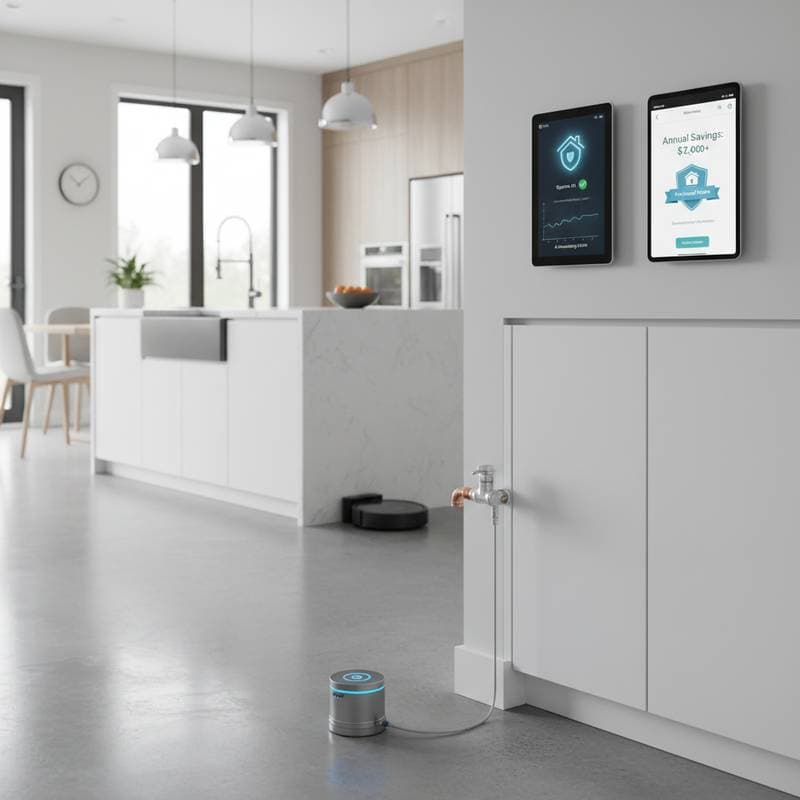
AI leak detection uses small Wi-Fi-enabled sensors placed near plumbing fixtures, appliances, and water lines. These sensors monitor flow rate, temperature, and pressure. Upon detecting unusual patterns, the system sends alerts via a mobile app or email. Certain configurations automatically shut off the main water supply to limit damage.
Key Components of a Smart Leak Detection System
- Flow sensors: Positioned on the main water line, these devices measure gallons per minute and detect continuous flow indicative of a leak.
- Moisture sensors: Compact discs or strips placed under sinks, behind toilets, or near water heaters to identify dampness.
- AI analytics hub: A central processor that analyzes normal water usage patterns and flags deviations.
- Automatic shutoff valve: A motorized valve linked to the main line that closes upon leak detection.
Typical Installation Points
| Location | Recommended Sensor Type | Reason |
|---|---|---|
| Under kitchen sink | Moisture sensor | Detects cabinet leaks early |
| Behind washing machine | Flow and moisture | Catches hose failures |
| Near water heater | Temperature and moisture | Prevents tank rupture flooding |
| Basement main line | Flow sensor and shutoff valve | Stops major leaks instantly |
A complete system typically incorporates 5 to 10 sensors, based on home size and fixture count.
The Home Warranty Connection
Home warranty companies determine pricing and coverage based on risk levels. Homes equipped with systems that minimize major water losses may qualify for reduced premiums or fewer claim denials. Several providers integrate directly with AI leak detection platforms to verify ongoing monitoring.
How Savings Work
- Risk reduction credit: A certified AI leak detection system can lower annual home warranty premiums by 5 to 10 percent.
- Claim prevention: Early alerts enable repairs before issues escalate to claim status, preserving deductibles.
- Proof of maintenance: Monitoring data documents plumbing upkeep, which resolves potential claim disputes.
These savings, combined with lower repair expenses, allow an AI leak detection system to recover its cost within one to two warranty periods.
Costs and Installation Options
Equipment for a whole-home system costs between $250 and $800. Professional installation adds $150 to $400, varying with plumbing access and system complexity. DIY kits start under $300 for those with accessible plumbing and basic tools.
DIY Feasibility
Individuals comfortable shutting off the main water supply and using a wrench can install most sensor kits independently. Required items include an adjustable wrench, Teflon tape for pipe threads, a smartphone for setup, and a power adapter or batteries for sensors. Use the manufacturer app to calibrate flow rates and connect sensors to the Wi-Fi network. Test functionality by running water at multiple fixtures to verify readings.
When to Call a Professional
Engage a plumber for inaccessible main water lines, older galvanized pipes, or automatic shutoff valve installation. A licensed professional completes the work in one to two hours and ensures watertight fittings.
Common Mistakes to Avoid
- Ignoring calibration: Water flow patterns differ by household. Neglecting calibration results in false alerts or undetected leaks.
- Placing sensors too far apart: Maintain no more than 6 feet between sensors in high-risk zones such as the laundry or kitchen.
- Forgetting battery replacement: Wireless sensors operate on batteries lasting 12 to 18 months. Schedule reminders to monitor power levels.
- Not linking to your home warranty account: Providers offering integration require device connection to access savings.
- Overlooking small leaks: A slow drip causes cumulative damage. Address every alert promptly instead of dismissing it.
These practices ensure optimal system performance and preserve warranty discount eligibility.
Accessibility and Safety Considerations
AI leak detection enhances safety for homeowners with limited mobility through automatic shutoff valves, which remove the need to access the main water line manually during emergencies. Select systems with voice alerts or smartphone notifications for improved accessibility. Position sensors to avoid obstructing pathways or requiring excessive bending for checks. Maintain at least 12 inches of clearance from water sources near electrical outlets to mitigate shock risks.
Professional Insight: What Inspectors Look For
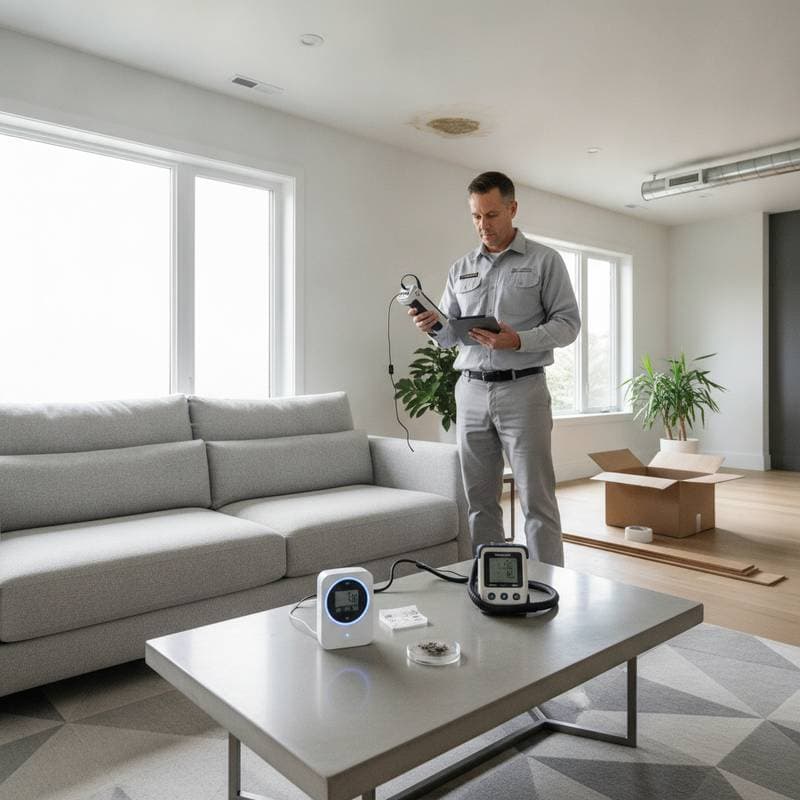
Home inspectors and warranty adjusters seek signs of proactive maintenance. A operational leak detection system positively impacts inspection reports. They verify active sensors, logged alerts, and absence of visible water damage. Present monitoring app history during inspections to illustrate diligent home management.
Real-World Scenario
Consider a homeowner who places a flow sensor on the main line and moisture sensors under each sink. One morning, a notification indicates continuous overnight water flow. Investigation reveals a cracked refrigerator line dripping into the floor cavity. Immediate shutoff and a simple repair avert thousands in potential damage.
Long-Term Benefits of Smart Leak Detection
Beyond warranty savings, AI leak detection prolongs plumbing lifespan by identifying pressure irregularities early. These systems conserve water, cutting utility bills by 5 to 7 percent annually.
Steps to Install and Maintain Your System
Review your home warranty policy for smart leak detection discounts. Assess plumbing access points and tally fixtures needing coverage. Select a system providing at least one sensor per high-risk area.
After installation, enable app notifications and conduct monthly tests for sensor responsiveness. This routine investment yields peace of mind, diminished repair expenses, and sustained warranty benefits.