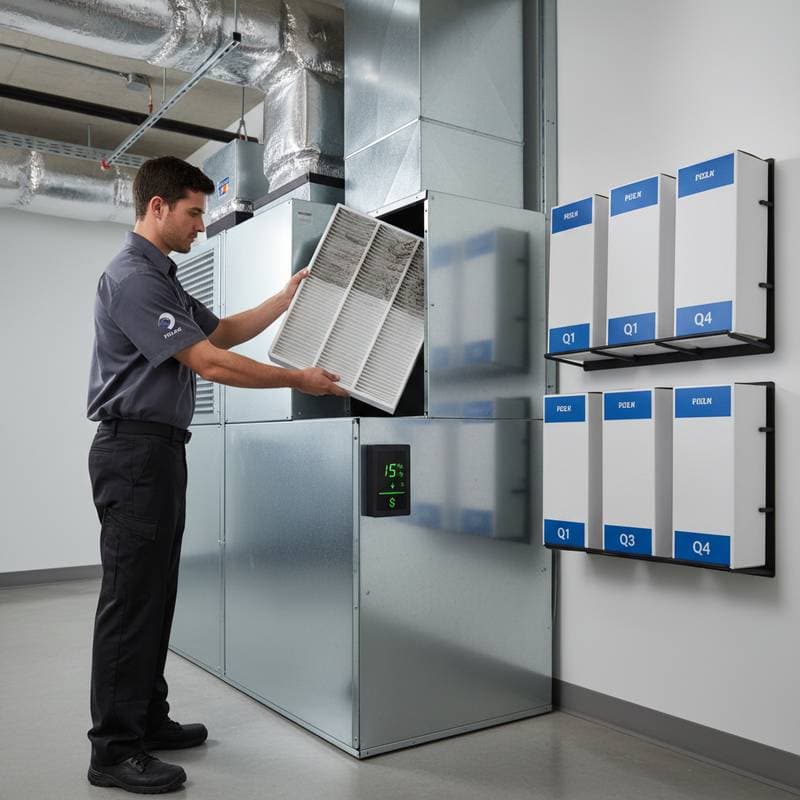
Establishing a Quarterly HVAC Filter Schedule for Superior Air Quality
A regular HVAC filter replacement routine significantly enhances home comfort, promotes health, and optimizes energy use. Clean filters enable unrestricted airflow, minimize motor stress, and capture dust, pollen, and contaminants that influence indoor environments. Homeowners often overlook this essential upkeep, resulting in elevated utility costs and avoidable system failures. Adopting a structured quarterly plan maintains seamless operation and purer air across all seasons.
This resource outlines strategies for scheduling, selecting, and installing filters seasonally, including insights on expenses, required tools, and scenarios warranting expert intervention.
Developing an Effective Quarterly Filter Replacement Plan
A quarterly approach segments the annual cycle into four distinct intervals, aligning changes with environmental shifts that impact air purity. The following framework simplifies adherence and suits diverse households.
Pre-Season Preparation: Optimizing for Extended Operation
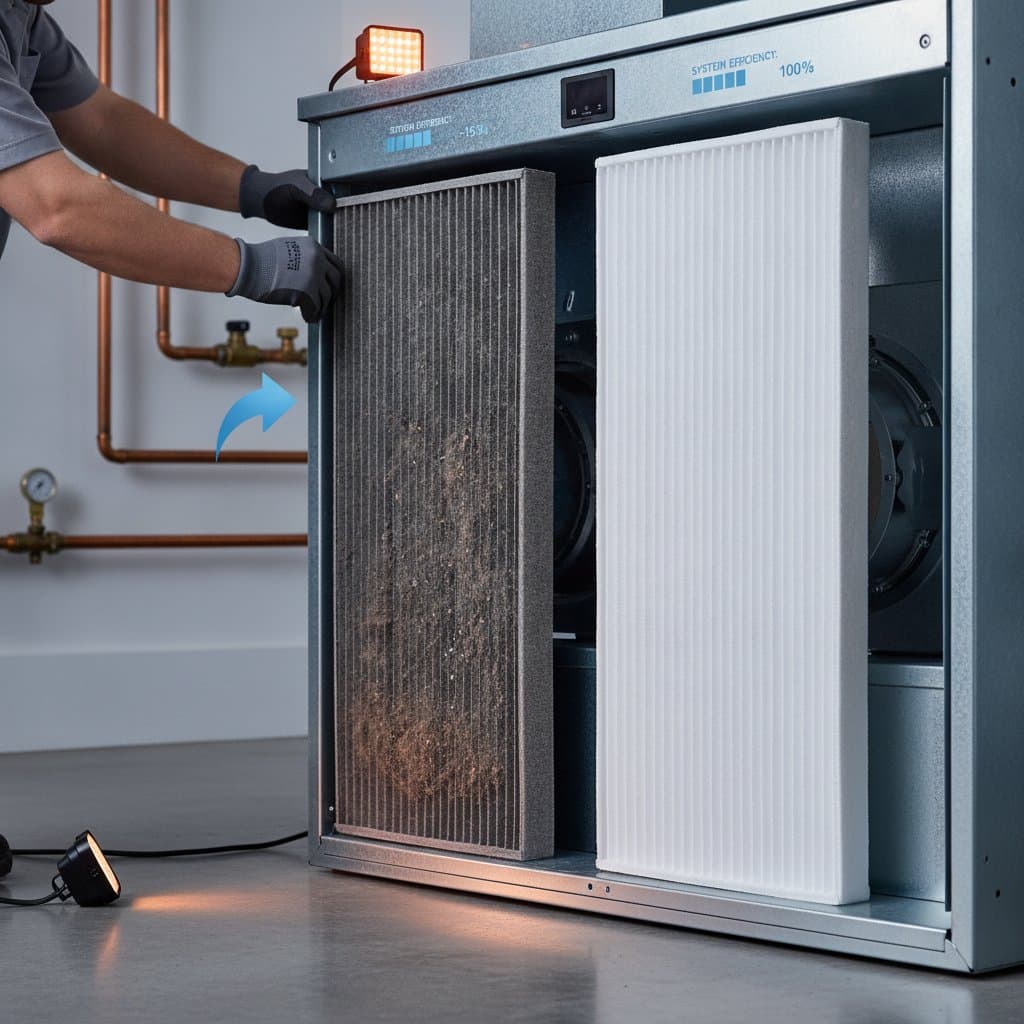
Initiate the schedule by refreshing the filter ahead of peak usage periods. This proactive step fortifies efficiency as the system engages more frequently.
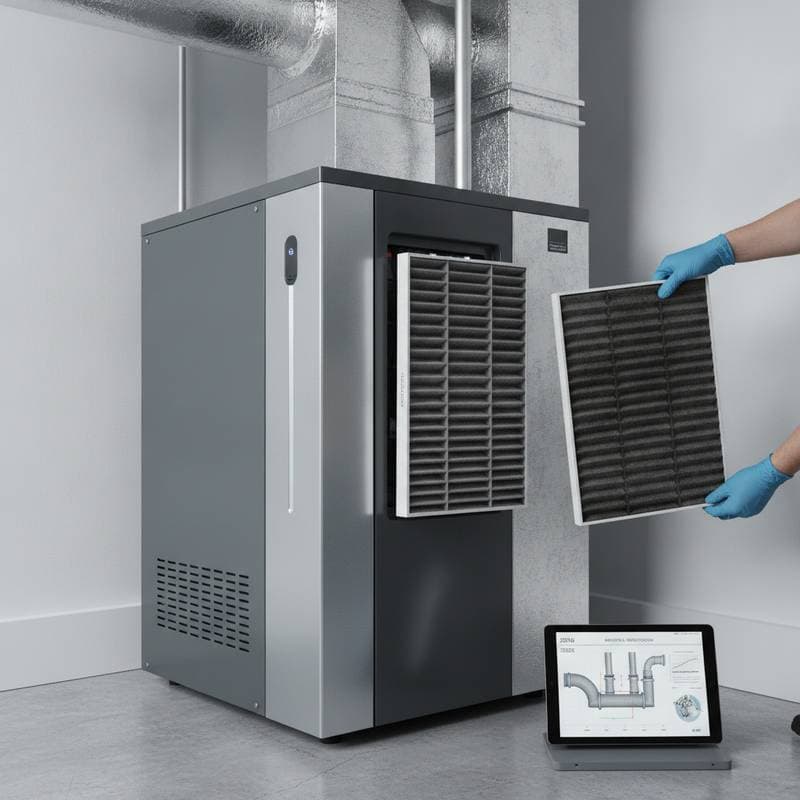
Procedure:
- Power down the HVAC unit prior to accessing the filter.
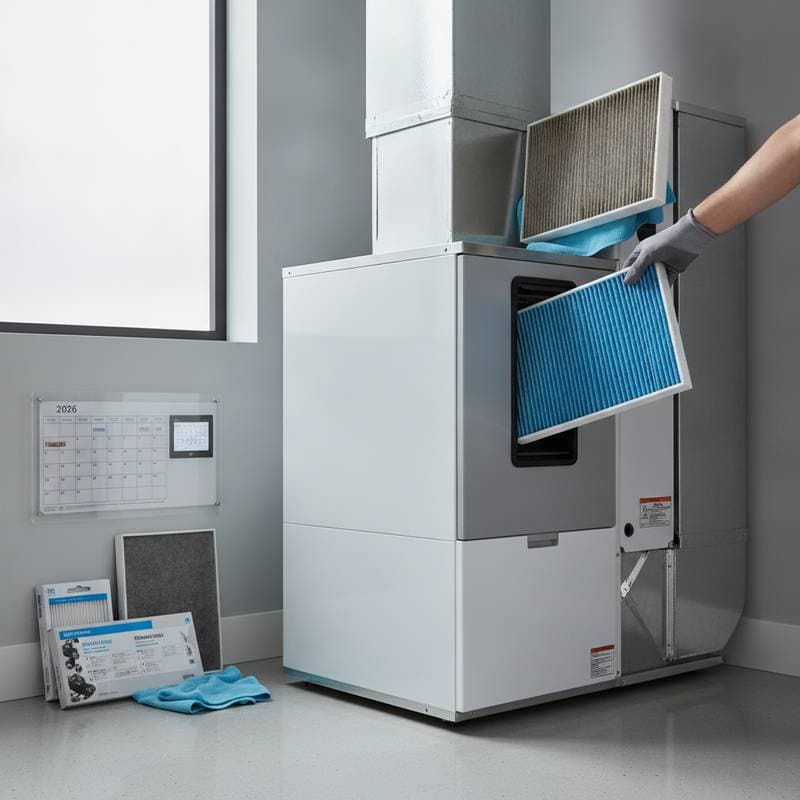
- Gently extract the existing filter to prevent dispersing accumulated particles.
- Verify the directional arrow on the replacement filter aligns with system airflow.
- Securely position the new filter and reactivate the unit.
Rationale: Such timely action guarantees unobstructed circulation from the outset, stabilizing energy consumption during intensive months.
Post-Season Refresh: Minimizing Idle-Period Accumulation
Conclude each season with another filter exchange to clear residual debris during low-activity phases. This practice averts odor development and preserves component integrity.
Additional measure: During this interval, employ a vacuum to clear the return air grille and examine for dampness or fungal growth indicators.
Selecting Optimal Filters for Your Residence
Filter varieties address varying purification demands, influenced by household priorities, equipment specifications, and financial considerations.
Basic Fiberglass Options
These economical choices provide fundamental defense against larger debris. They support robust airflow while addressing minimal particle retention, making them appropriate for legacy systems or low-sensitivity environments.
Typical expense: Two to five dollars each.
Suggested interval: Monthly to quarterly, adjusted for ambient dust concentrations.
Enhanced Pleated Variants
Constructed from layered polyester or cotton materials, these options trap finer contaminants and endure longer service. They represent a balanced selection for typical family settings.
Typical expense: Ten to twenty dollars each.
Suggested interval: Every two to three months.
Advanced High-Efficiency Models
Featuring MERV ratings from 11 to 13, these units intercept subtle pollutants such as allergens, tobacco residues, and microbes. They prove invaluable in residences with respiratory sensitivities.
Typical expense: Twenty-five to forty dollars each.
Suggested interval: Every two to three months, scaled to operational demands.
Premium HEPA Systems
Offering near-total particle elimination at 99 percent efficacy, HEPA filters deliver unmatched refinement. Compatibility requires professional evaluation, as not every setup accommodates their resistance.
Typical expense: Forty to sixty dollars or higher each.
Suggested interval: Every three to six months.
Self-Service Replacement Versus Expert Assistance
Filter swaps generally pose straightforward tasks for residents, yet certain conditions necessitate specialized support.
Performing Replacements Independently
Conventional units feature accessible panels for filter retrieval. When slots are visible and straightforward, individuals can execute the process securely. Prepare a compact vacuum for surrounding cleanup and confirm the new filter seats firmly.
Indicators for Professional Involvement
Engage a certified technician under these circumstances:
- Filters reside in enclosed or inaccessible enclosures.
- Evidence of moisture, fungal presence, or atypical residues surrounds the area.
- The unit cycles off prematurely post-installation.
Experts diagnose potential ductwork breaches, mechanical overloads, or control malfunctions. Numerous service providers bundle quarterly exchanges with thorough inspections into subscription plans.
Essential Safety Protocols for Filter Maintenance
Prioritize caution in all system interactions to safeguard personal well-being and equipment longevity.
Primary safeguards:
- Deactivate power sources before filter handling.
- Refrain from deforming the filter housing through excessive pressure.
- Don protective gloves for contact with moist or contaminated units.
- Seal discarded filters in refuse containers.
- Cleanse hands thoroughly following manipulation.
Persistent fungal scents or visible growth signal underlying humidity problems; prompt specialist assessment for ventilation or insulation deficiencies.
Evaluating and Enhancing Indoor Air Standards
Routine filter updates elevate purity levels, yet quantitative assessment verifies effectiveness. Inexpensive devices track particulates, moisture balance, and chemical emissions. User experiences, often documented in video tutorials, demonstrate how monitoring refines maintenance timing.
Should quality lag despite fresh filters, explore professional duct sanitation or integrated purification add-ons tailored to your configuration.
Securing Long-Term System Performance and Savings
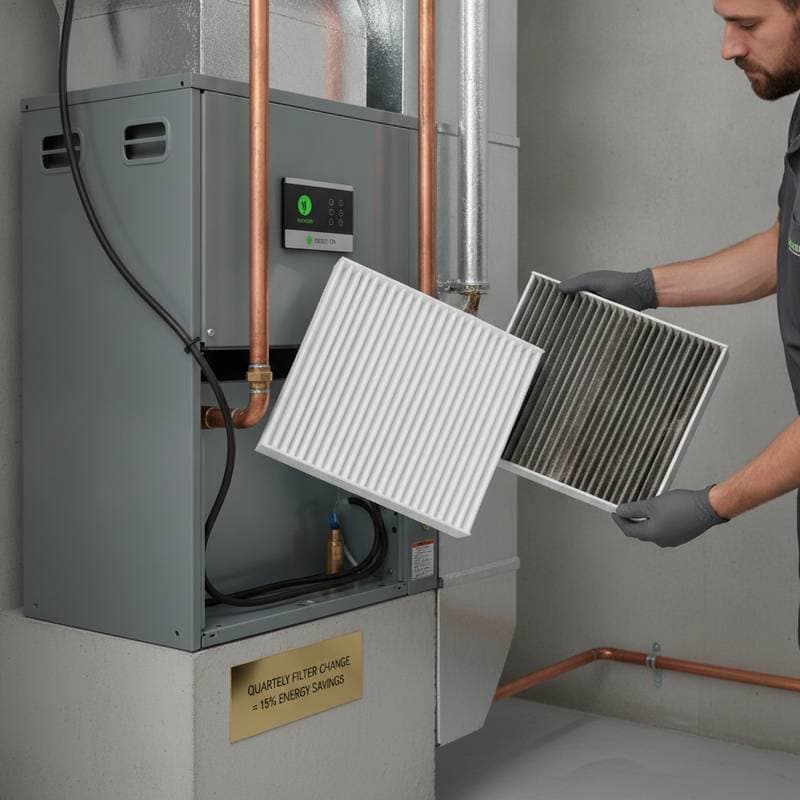
A disciplined quarterly filter regimen safeguards operational reliability and asset value. It fosters efficient functioning, prolongs equipment durability, and cultivates healthier living spaces. Opt for personal oversight or delegated services, but uphold regularity as the cornerstone.
Document each intervention, noting filter specifications and timestamps. Patterns emerge regarding lifestyle impacts on lifespan; pet-owning or dusty homes may require accelerated cycles, whereas compact dwellings align with standard pacing.
This disciplined practice yields reduced expenditures, dependable climate control, and invigorated atmospheres with minimal seasonal input.