Clarifying Home Warranty Coverage for Electrical Panel Upgrades
Upgrading an electrical panel ranks among the essential investments for homeowners. Such an upgrade enhances safety, accommodates greater power needs, and elevates property value. However, uncertainty persists regarding whether a home warranty will cover these expenses. Coverage hinges on several elements, such as the warranty type, upgrade rationale, and precise policy language.
Basics of Home Warranty Protection for Electrical Components
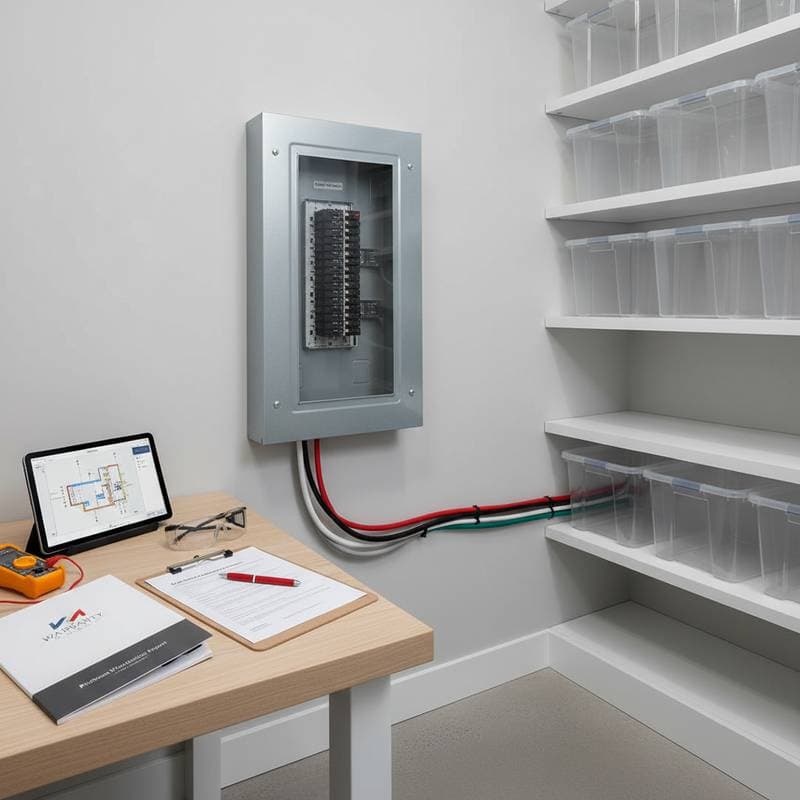
A home warranty functions as a service agreement that addresses repair or replacement costs for major systems and appliances due to normal wear and tear. Electrical protection generally encompasses wiring, circuit breakers, switches, and outlets. Most policies extend to the primary service panel or breaker box.
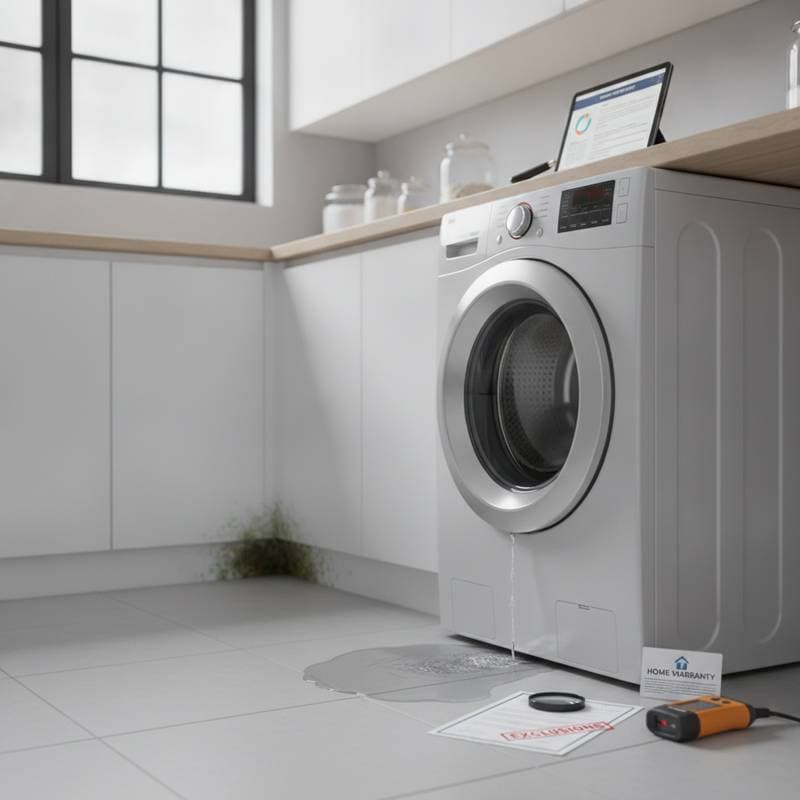
Coverage boundaries exist, however. Warranties address failures within the system's current capacity through repairs or part replacements. An upgrade prompted by insufficient load handling qualifies as an enhancement rather than a repair. Providers frequently exclude such capacity expansions from routine coverage.
Scenarios Where Coverage Applies to Panel Work
Certain circumstances allow a warranty to contribute to panel-related expenses. If the breaker box deteriorates from age or internal faults, and a technician deems replacement with a modern unit necessary for safety, the provider may fund part of the cost.
Homeowners have reported instances where warranties facilitated full panel replacements following persistent breaker trips or electrical arcing. Approval occurred because the issue stemmed from a safety-critical failure, distinct from an elective upgrade.
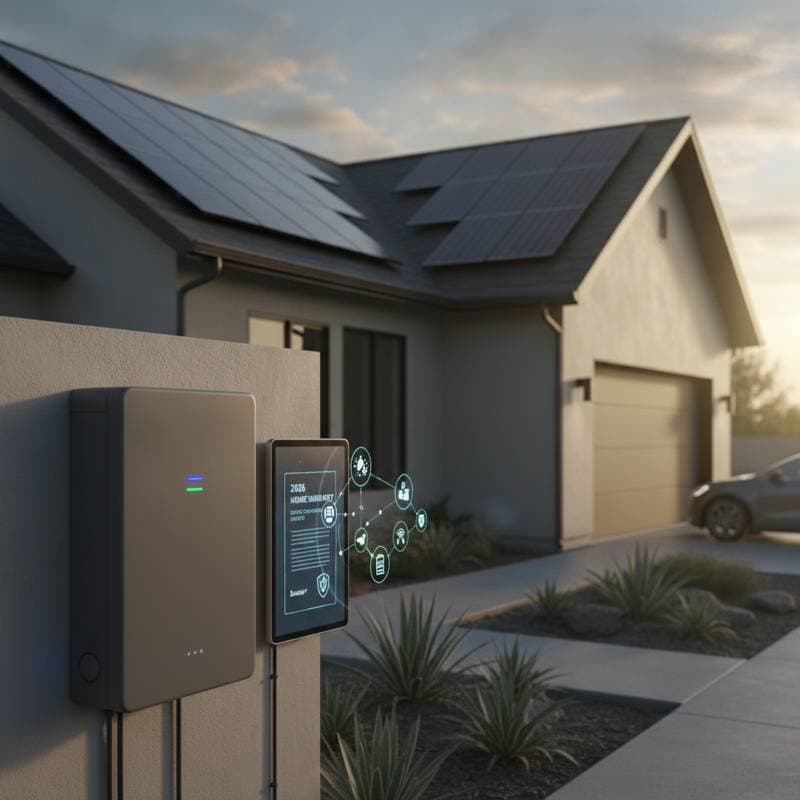
The determining factor remains the failure's origin in normal wear and tear. Coverage excludes upgrades tied to building codes, renovations, or heightened energy demands, such as installing new appliances, solar systems, or electric vehicle chargers.
Common Exclusions in Panel Upgrade Coverage
Home warranties seldom fund upgrades for modernization or expanded capacity. Policies also omit expenses for code compliance, permits, or adaptations to updated safety regulations. Certain plans exclude subpanel installations, wiring enhancements, and service entrance cables.
When an electrician advises upgrading an obsolete panel, such as models from Federal Pacific or Zinsco known for hazards, providers classify this as preventive maintenance. Replacement prior to failure falls into elective category, outside standard coverage.
Evaluating Warranty Plans and Enhanced Options
Home warranty plans differ significantly in scope. Premium tiers provide broader electrical protection, including breaker box repairs or replacements up to specified caps. Homeowners opting for these levels experience smoother claims and reduced personal expenses.
Prior to committing to a plan, scrutinize the electrical coverage details. Search for phrases like "main breaker panel," "service box," or "load center." Verify exclusions for capacity boosts or code adherence. Optional add-ons for comprehensive electrical safeguards justify their modest fees, particularly in older residences.
Choosing a Licensed Electrician Over Warranty Repairs
Even with partial warranty support, providers might dispatch contractors limited to basic fixes. For outdated or hazardous systems, engaging a licensed electrician proves more beneficial long-term. Professionals assess the full setup, uncover potential risks, and guarantee compliance with local codes.
Opting for a direct professional upgrade yields superior durability compared to warranty-limited interventions. A correctly dimensioned and installed panel minimizes fire dangers, powers contemporary devices efficiently, and averts ongoing electrical disruptions that accumulate costs.
Safeguarding Your Upgraded Electrical System
Post-upgrade, retain records of all performed work. Monitor for breaker trips, loose connections, or overheating indicators routinely. Arrange inspections by professionals every few years to verify the integrity of wiring and components.
If maintaining a home warranty, notify the provider of the new panel details. This action ensures policy accuracy and prevents future claim complications.
Grasping the scope of your home warranty equips you to make informed decisions. For electrical panels, recognizing coverage boundaries enables proactive planning, sustained safety, and financial prudence in home maintenance.