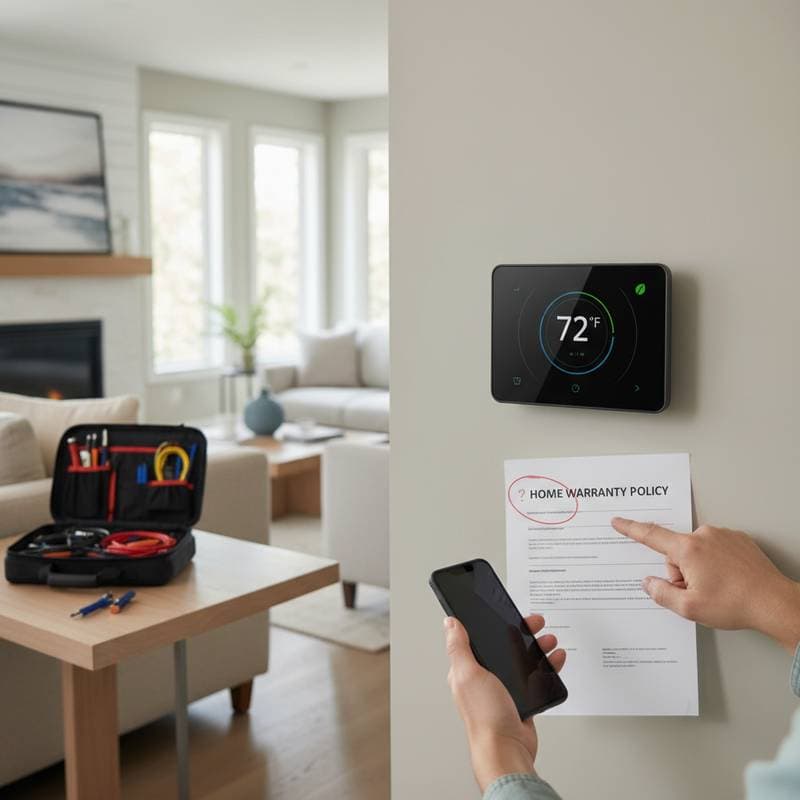
Understanding Home Warranty Coverage for Smart Thermostats
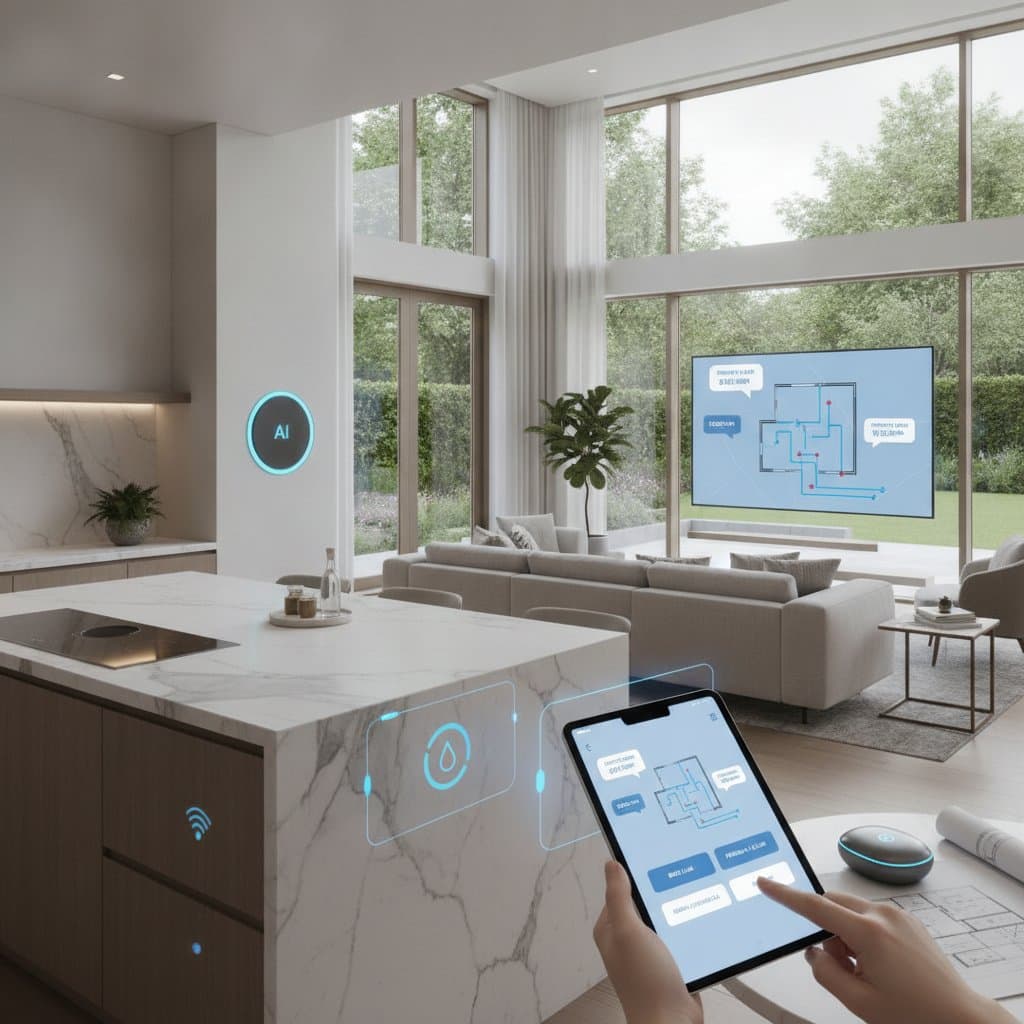
Homeowners increasingly adopt smart thermostats to optimize heating and cooling systems. These devices offer energy savings, personalized comfort, and seamless integration with mobile applications and voice-activated assistants. However, when a malfunction occurs, uncertainty arises regarding home warranty protection for repairs or replacements.
This article clarifies coverage specifics for smart thermostats, identifies eligibility factors, and outlines practical steps for addressing failures. By grasping these elements, homeowners can make informed decisions about their smart home setups.
Standard Coverage Provisions for Smart Thermostats
Many home warranty plans incorporate smart thermostats within broader HVAC system protections. Under such coverage, failures attributable to normal wear and tear qualify for repair or replacement services. Certain providers treat smart thermostats as specialized components, necessitating an optional endorsement for full inclusion.
Homeowners frequently encounter variability in outcomes, as noted in online community discussions. Some technicians opt for basic replacement models, while others honor the original smart technology. These differences stem from policy language, emphasizing the need to scrutinize coverage details.
Examine your warranty documentation for references to thermostats, control mechanisms, or integrated home automation features. If HVAC protections encompass these items, your smart thermostat likely falls under the plan without additional riders.
Common Reasons for Claim Denials
Warranty providers routinely reject claims linked to causes beyond ordinary usage. Prevalent exclusions encompass the following:
- Faulty installation or errors in user-performed electrical connections
- Failures induced by voltage fluctuations or circuit malfunctions
- Issues arising from firmware upgrades or connectivity disruptions
- Defects covered by the device's original manufacturer guarantee
In cases of manufacturer defects, the product's inherent warranty takes precedence. Home warranties serve as supplemental safeguards, activating only post-expiration of primary coverage.
One homeowner recounted a denied claim due to installation by an unqualified individual, underscoring the value of certified professionals and retained records. Proper setup documentation strengthens future claims significantly.
Initial Troubleshooting Steps Prior to Claim Submission
Prior to engaging your warranty service, address potential minor issues independently. These preliminary checks often resolve problems without formal intervention:
- Power cycle the thermostat and refresh its wireless configurations.
- Verify electrical supply by inspecting breakers and fuses.
- Examine visible wiring for secure attachments, exercising caution to avoid hazards.
- Install the latest software version via the accompanying application.
Should these measures prove ineffective, compile a detailed log of attempted resolutions. Submitting this record to the provider demonstrates diligence and may expedite approval processes.
Engaging Professional Assistance
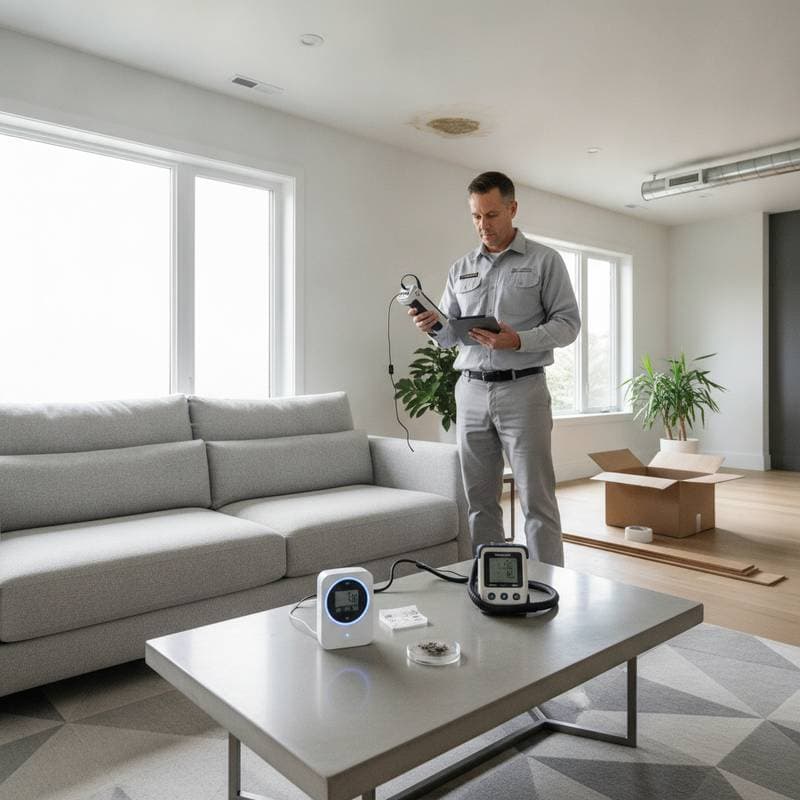
When a thermostat malfunction disrupts overall HVAC functionality, prompt involvement of a certified technician becomes essential. Experts differentiate between device-specific issues and broader system faults, a distinction that influences warranty applicability.
Certain policies limit thermostat coverage to scenarios where the primary HVAC components remain under protection. Technician reports, detailing the failure's nature, provide evidentiary support, affirming normal operational wear over negligence or errors.
Strategies for Long-Term Preservation
Proactive care minimizes breakdown risks for both the thermostat and its controlled systems. Implement these maintenance practices to sustain performance:
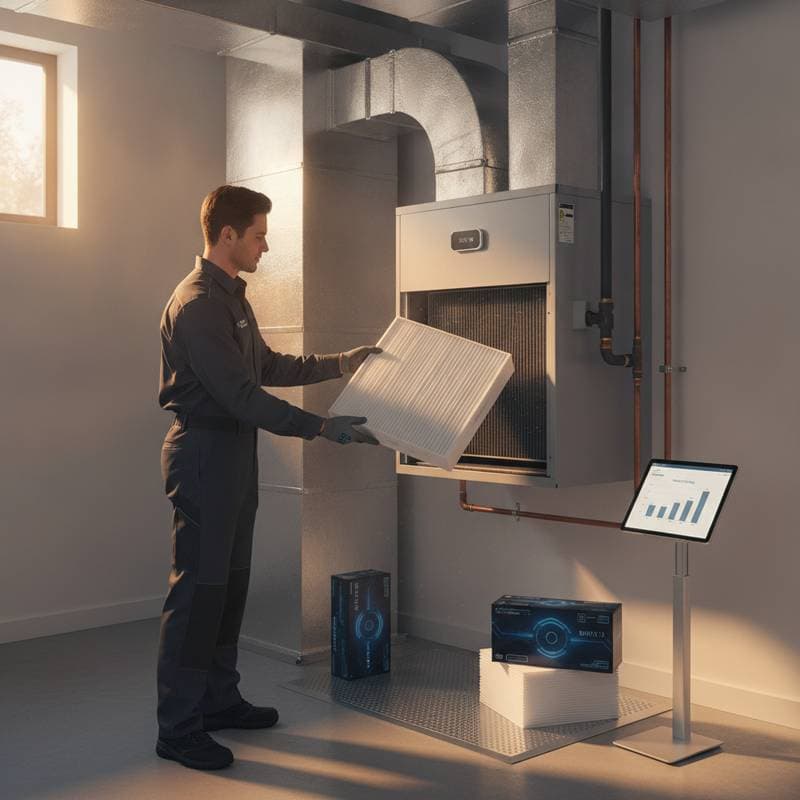
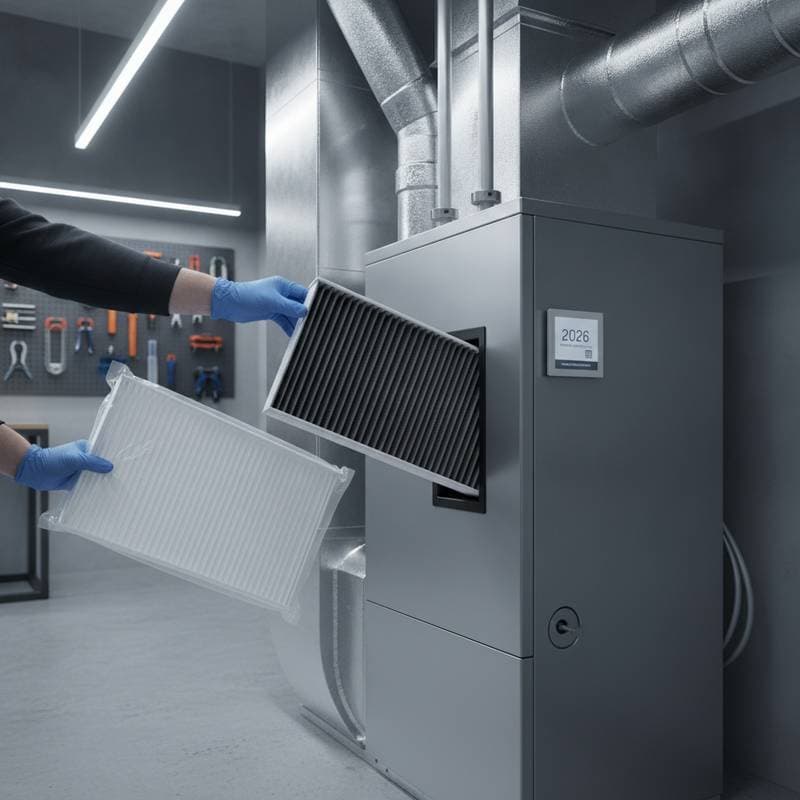
- Routinely clear dust from air pathways and replace filtration media to avert thermal stress.
- Monitor and apply software patches to mitigate integration conflicts.
- Maintain consistent internet connectivity for uninterrupted remote access.
- Arrange periodic evaluations of the entire HVAC infrastructure during seasonal transitions.
Homeowners who adhere to such routines often achieve notable reductions in utility expenses, with some reporting savings approaching 30 percent. Consistent attention not only prolongs equipment longevity but also upholds warranty compliance.
Optimizing Warranty Benefits for Smart Devices
Home warranties offer substantial safeguards for advanced home technologies when navigated astutely. Regularly audit your policy for smart device provisions, inquire about enhancement options, and verify replacement equivalency to your existing model.
By aligning maintenance habits with coverage terms, homeowners secure reliable protection. This approach ensures smart thermostats continue delivering efficiency and convenience without unexpected financial burdens.