Perform a DIY AC Tune-Up to Combat Summer Heat
An air conditioner failure during peak summer heat creates significant discomfort. The unit activates, yet the airflow remains lukewarm and ineffective. A straightforward do-it-yourself maintenance routine addresses these issues proactively. Basic tools, approximately one hour, and a structured approach suffice to maintain optimal performance and eliminate the need for costly professional interventions.
Importance of Regular AC Maintenance
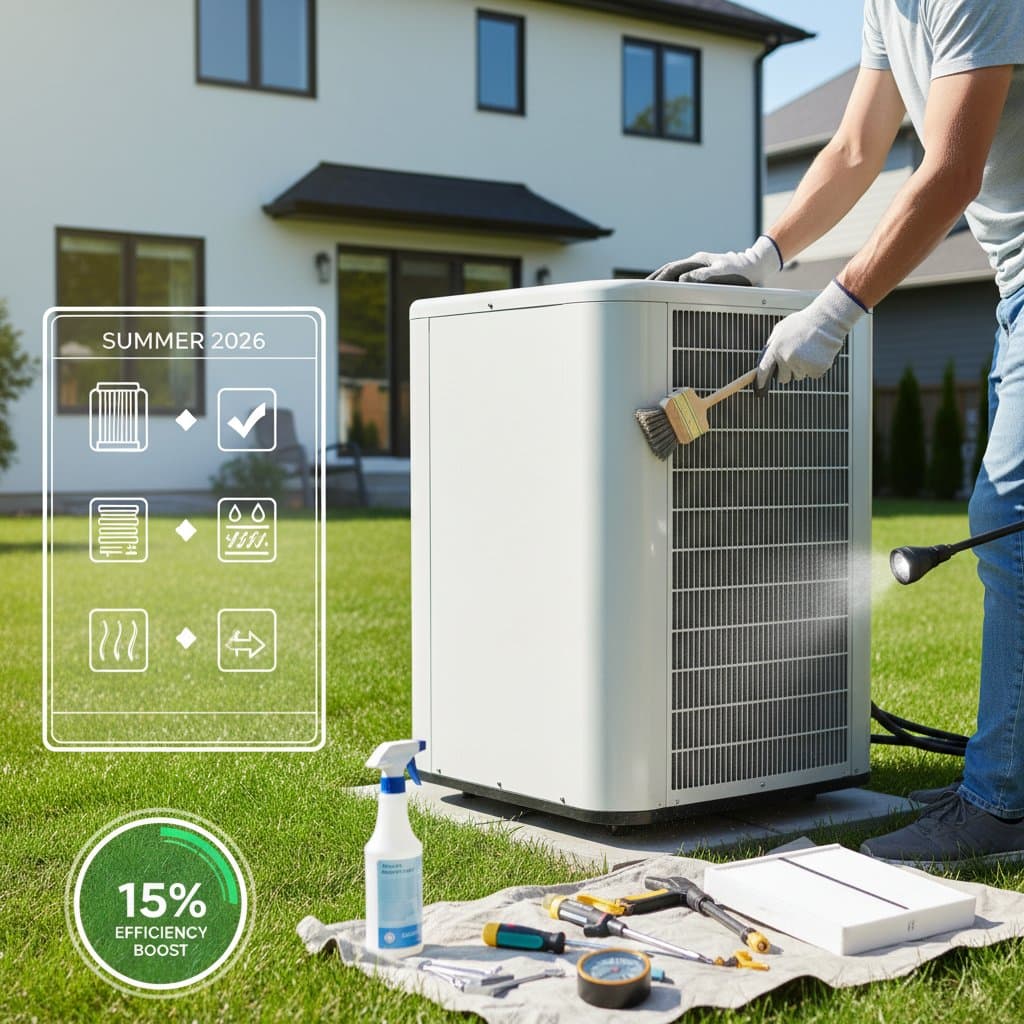
Dirt accumulation on an air conditioner reduces cooling efficiency by as much as 15 percent. This inefficiency leads to elevated energy consumption, inconsistent room temperatures, and accelerated wear on internal components. Annual maintenance enhances airflow, purifies indoor air, and prolongs equipment lifespan.
The primary objectives include restoring proper ventilation, identifying subtle deterioration, and verifying component functionality. No specialized HVAC expertise proves necessary. Patience, a screwdriver, a soft brush, and a garden hose provide the essential requirements.
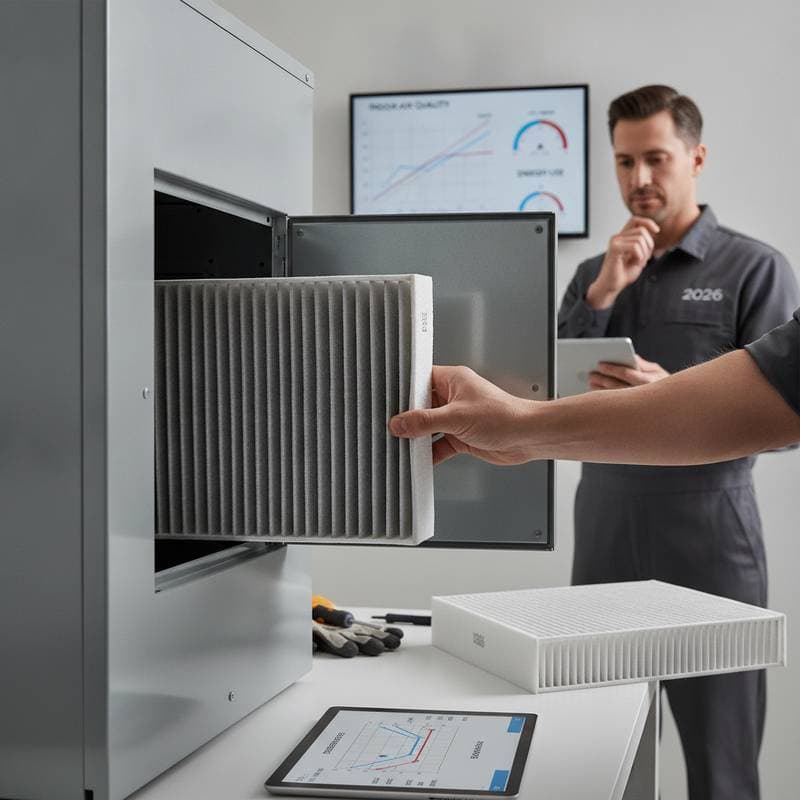
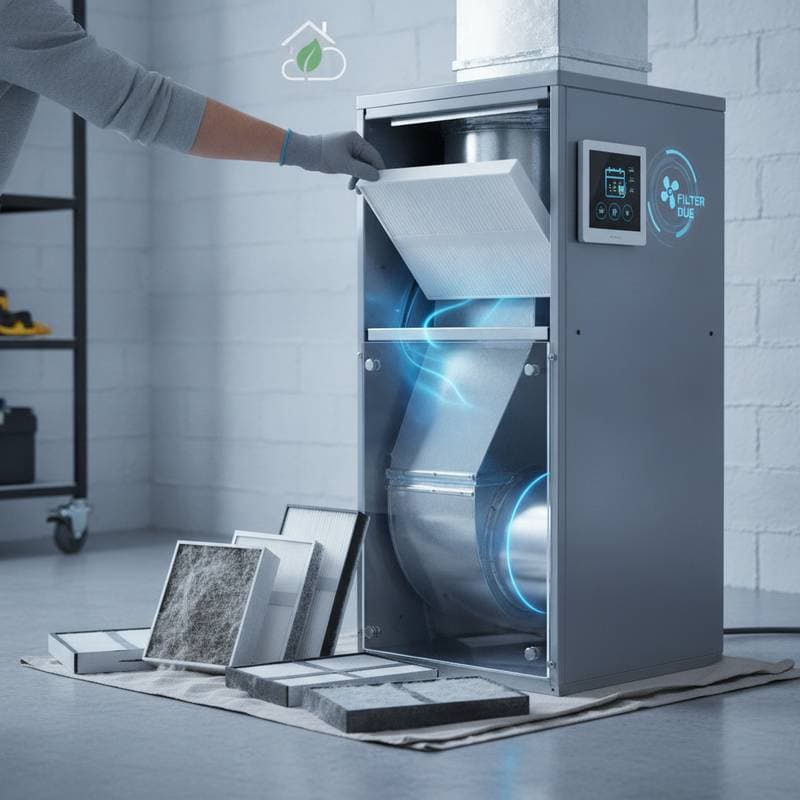
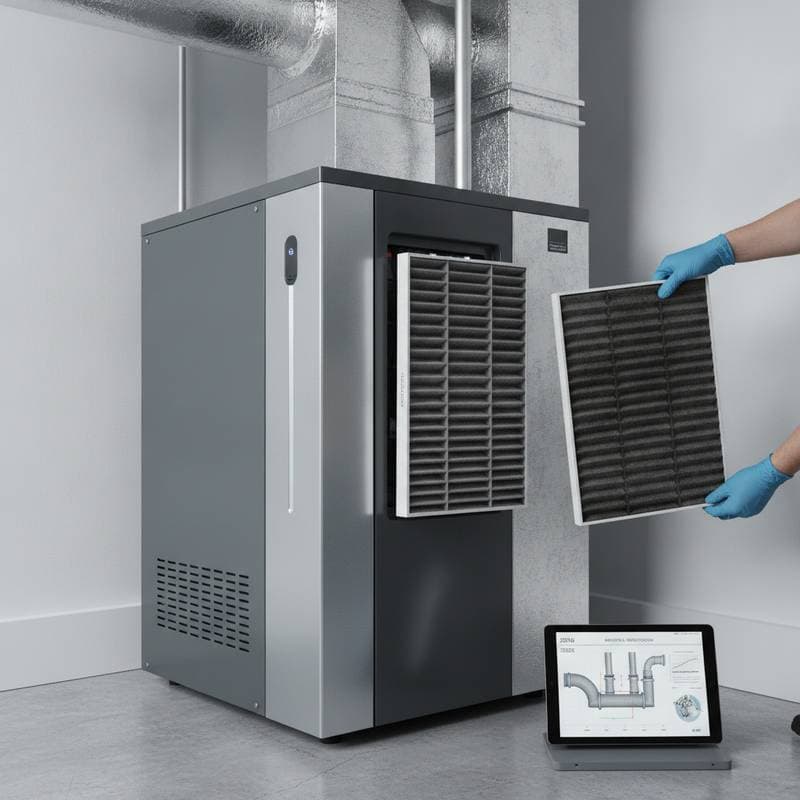
Step 1: Clean or Replace the Air Filter
The air filter represents the initial and most critical maintenance point. Obstructions in the filter compel the system to labor excessively and diminish overall airflow.
- Locate the filter behind the return air vent or within the furnace cabinet.
- Measure dimensions, typically ranging from 16 by 20 inches to 20 by 25 inches, with a thickness of 1 to 2 inches.
- Replace the filter if it appears gray or dust-laden. Standard pleated filters endure 60 to 90 days, whereas high-efficiency variants last longer.
A pristine filter facilitates superior airflow and prevents debris accumulation on the evaporator coil.
Step 2: Clean the Outdoor Condenser Unit
The exterior condenser unit dissipates heat extracted from indoor spaces. Debris such as leaves, grass, or soil obstructing the fins impairs heat release and efficiency.
- Disconnect power at the nearby shutoff box.
- Detach the fan grille and vacuum the interior gently.
- Rinse the coil fins from inside outward using a garden hose at low pressure.
- Maintain at least 24 inches of clearance around the sides and 60 inches above the unit by trimming nearby vegetation.
Protect the delicate aluminum fins from bending. A fin comb corrects any minor distortions encountered.
Step 3: Examine the Evaporator Coil and Drain Line
Positioned indoors above the furnace or air handler, the evaporator coil captures heat from circulating air. Dust or microbial buildup forms a restrictive layer over time.
- Access the panel and illuminate the coil with a flashlight.
- Apply a no-rinse foaming cleaner and allow 10 minutes for penetration.
- Inspect the drain pan and line; introduce a cup of white vinegar to dissolve algae and remove obstructions.
Ice formation on the coil signals a problem. Shut down the system immediately and permit full thawing prior to reactivation.
Step 4: Evaluate Airflow and Temperature Differential
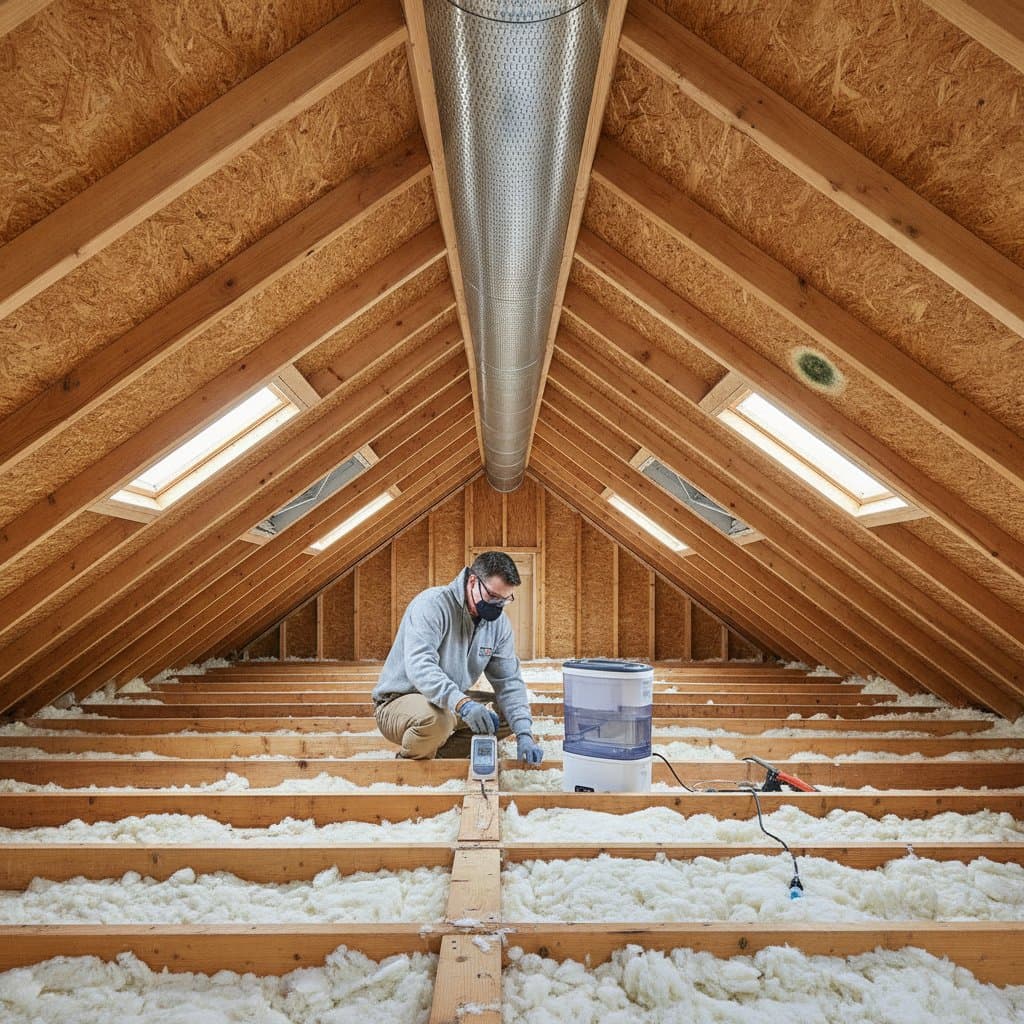
After completing cleaning tasks, reconnect power and operate the unit for a minimum of 10 minutes. Position a thermometer at a supply vent, followed by the return vent. An ideal temperature drop ranges from 14 to 20 degrees Fahrenheit.
A smaller differential suggests potential refrigerant deficiency or airflow restrictions. Such conditions necessitate evaluation by a qualified technician. Document readings to track performance over time.
Step 5: Secure Electrical Connections
Insecure wiring fosters electrical shorts, generates excess heat, and risks compressor damage. Always deactivate power at the breaker panel before inspection.
- Access the service panel on the outdoor unit.
- Ensure wire nuts and terminal screws remain tight.
- Scan for signs of overheating, such as discolored or melted insulation.
Individuals uneasy with electrical components should forgo this step and consult a licensed professional. Safety remains paramount in all procedures.
Pitfalls to Sidestep in AC Maintenance
Frequent errors undermine maintenance efforts and lead to complications.
- Overlooking filter replacement triggers the majority of system failures.
- High-pressure water streams risk permanent damage to condenser fins.
- Disregarding the drain line invites water leakage and mold proliferation.
- Dismissing atypical sounds, like squeals or rattles, allows minor issues to escalate.
Early detection averts substantial repair expenses. Integrate these checks into seasonal routines for sustained reliability.
Indicators for Professional Assistance
DIY efforts focus on cleaning and preliminary assessments. Advanced diagnostics, including refrigerant levels, compressor integrity, and pressure evaluations, demand professional equipment.
Persistent cooling deficiencies post-maintenance, persistent ice accumulation, or unexplained leaks warrant expert intervention. Many HVAC providers offer comprehensive seasonal inspections at reasonable rates. Proactive service preserves system longevity and efficiency.
Establish a Maintenance Routine for Year-Round Comfort
Consistent care ensures an air conditioner delivers reliable cooling without excessive energy use. Simple cleaning protocols paired with vigilant monitoring empower homeowners to manage upkeep independently.
Incorporate filter swaps every few months, condenser debris removal, and temperature verifications at season's onset. These practices mitigate disruptions as temperatures rise. Homeowners gain confidence in their system's readiness through habitual attention.