3 Essential Tasks to Prevent AC Breakdowns
A reliable air conditioner provides essential relief on hot summer days. However, many systems experience failures at the most inconvenient times. Homeowners can prevent most issues through targeted preparation that inspects, cleans, and tunes the unit before temperatures rise.
The Importance of Preventive AC Maintenance
Dirt accumulation on coils, clogged filters, and low refrigerant levels reduce air conditioner efficiency. These problems compel the system to operate harder, which increases energy consumption and strains internal parts. A maintained unit operates up to 15 percent more efficiently than an overlooked one. Routine care identifies minor issues early, avoiding complete breakdowns.
If the system has not received service lately, begin preparations immediately. A preseason check proves far more affordable than urgent repairs during heat waves.
Core Tasks for AC Reliability
Focus on these three primary actions to address the most frequent causes of failure:
- Clean or replace the air filter. Inspect it every 30 to 60 days during active use periods.
- Remove debris from the outdoor condenser. Maintain at least 24 inches of clearance around the unit.
- Evaluate airflow and cooling output. Weak or inconsistent performance signals the need for professional adjustment.
Implementing these measures helps avert problems such as frozen coils and compressor overheating.
Detailed AC Preparation Guide
Clean or Replace the Air Filter
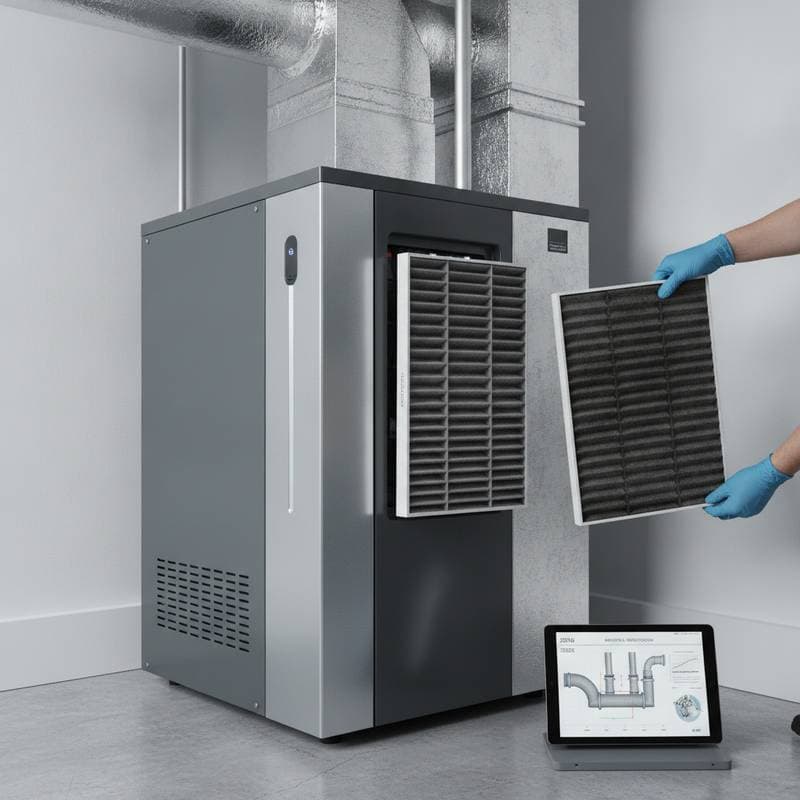
A clogged filter impedes airflow, causing the system to cycle longer and consume more power. Select filters that match the manufacturer's specifications for size and type. Fiberglass models require monthly replacement, while pleated versions endure up to three months. For washable filters, rinse with mild soap and water, then allow full drying prior to reinstallation.
Clean the Condenser Coils
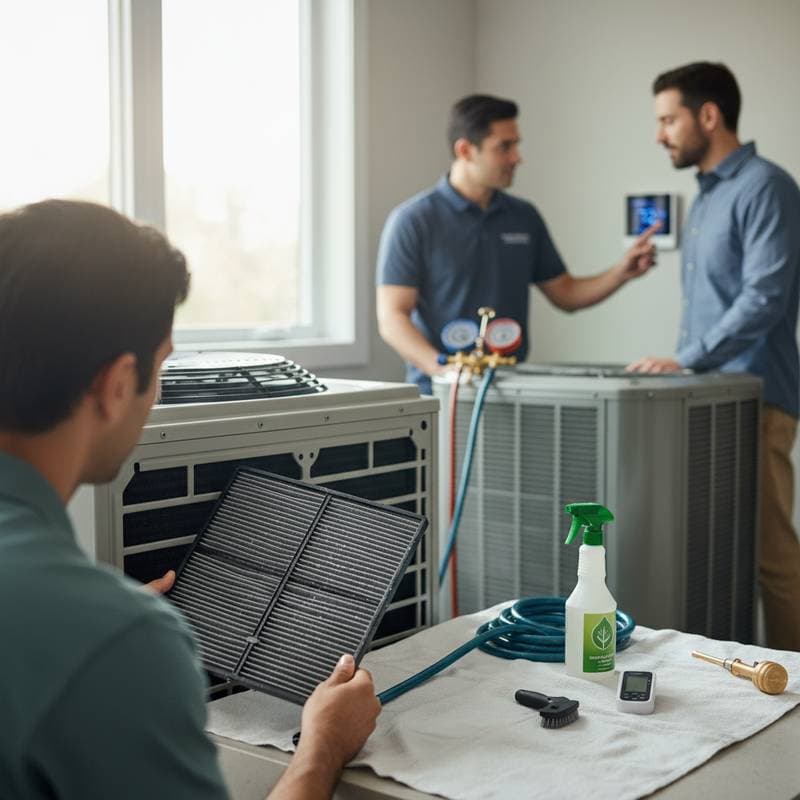
The outdoor condenser's coils dissipate heat from indoor air. Debris like dirt and leaves hinders this process, reducing overall performance. Shut off power at the disconnect switch, detach the top grille, and flush the coils inward with a garden hose at low pressure. Specialized cleaning solutions dissolve stubborn buildup without risking fin damage.
Straighten Coil Fins and Secure Guards
Damaged fins obstruct airflow and diminish cooling capacity. Employ a fin comb to gently realign bent sections, exercising caution to prevent further harm. Verify that protective grilles remain firmly attached to deter future debris entry and animal interference.
Inspect Refrigerant Lines
Proper insulation on refrigerant lines preserves system efficiency. Examine for tears or gaps in the covering and repair with appropriate foam sleeves. Oily residues or hissing noises suggest leaks, which demand immediate professional attention.
Verify Thermostat Function
Inaccurate thermostats lead to inefficient cycling or nonstop operation. Compare its display against a standalone thermometer for precision. Consider installing a programmable or smart thermostat if the current model shows age. Program it to adjust temperatures during absences, balancing savings with comfort.
Clear the Condensate Drain Line
The system expels moisture through the condensate drain, where algae and debris often accumulate. Blockages result in water leaks or automatic shutdowns. Introduce a cup of white vinegar into the line quarterly to inhibit growth. Confirm the drain path directs water away from the home's foundation.
Review Electrical Connections
Worn wiring or loose terminals invite electrical faults and component damage. With power disconnected, access the service panel to inspect for corrosion or scorch marks. Secure any accessible connections if experienced; otherwise, consult a qualified technician for electrical diagnostics.
Accessibility and Safety Considerations
Approach maintenance with safety in mind, especially around electrical elements. Always deactivate power before handling components to prevent shocks. Individuals with limited mobility may require assistance for outdoor tasks or elevated inspections. Adapt tools, such as extended-reach combs, to accommodate various physical needs. If uncertainty arises, professional services ensure safe execution without risk.
Avoid These Common AC Pitfalls
Neglecting yearly tune-ups allows minor defects, like refrigerant shortages, to escalate into expensive repairs. Obstructing vents with furniture strains the blower and reduces distribution. Continuous runtime without breaks overheats parts prematurely. Leaky ducts waste up to 30 percent of cooled air, inflating bills unnecessarily.
Incorporate these awareness points into a consistent routine to maximize system longevity.
Signs That Require Professional Intervention
Homeowners handle basic upkeep, but complex diagnostics necessitate experts. Seek a certified technician when the unit emits warm air despite filter and coil maintenance, produces unusual grinding or rattling sounds, displays frost on lines, or triggers sudden energy cost increases.
Technicians assess refrigerant levels, airflow rates, and electrical integrity with precision instruments. A comprehensive tune-up typically costs 100 to 300 dollars, varying by unit size and location.
Savings from Regular Maintenance
Optimized systems cut cooling expenses by 10 to 15 percent annually. A single filter swap yields up to 5 percent energy reduction. Extended lifespan postpones replacement costs, which span 4,000 to 10,000 dollars for central units.
Expert Recommendations
Arrange service before peak heat to sidestep scheduling delays. Document all activities, including filter swaps and inspections, for reference. Apply a protective cover to the outdoor unit in winter, removing it fully before spring activation. Ensure vents remain unobstructed and grilles free of dust to promote even airflow.
Maintain Comfort and Efficiency Long-Term
Consistent AC care safeguards against disruptions and preserves financial benefits. Completing this guide positions the system for dependable operation. Monitor performance ongoing and address anomalies promptly to enjoy sustained cooling reliability.