Timing HVAC Filter Changes for Fall Efficiency
Cooler temperatures signal increased reliance on heating systems to maintain home comfort. Homeowners often neglect a basic maintenance practice that influences both efficiency and expenses: air filter replacement. A fresh filter optimizes airflow, eases system workload, and preserves air quality. Understanding the proper timing and method for replacement yields measurable improvements in energy use during the fall months.
Importance of Fall Filter Replacement
Summer air conditioning operations draw in dust, pollen, and pet hair, which accumulate on filters. As fall transitions to heating mode, these contaminated filters persist, impeding air circulation and compelling the HVAC unit to consume additional energy. This leads to elevated utility statements and inconsistent warmth distribution. Data from the U.S. Department of Energy indicates that swapping a soiled filter reduces energy use by as much as 15 percent, translating to substantial savings across the heating period.
Pre-fall filter changes also elevate indoor air standards. With windows closed more frequently, particles remain suspended indoors. A new filter effectively captures dust and allergens, preventing their dispersal via vents and supporting respiratory health for occupants.
Standard Replacement Intervals
For typical one-inch filters, replacement every one to three months suits most households. Pleated filters with greater depth may endure up to six months, contingent on system operation and local air conditions. Residences with pets, tobacco use, or residents prone to allergies benefit from shorter intervals. In scenarios of continuous HVAC runtime or elevated regional pollen, monthly exchanges prove advisable.
Evaluate the filter visually to determine readiness. A surface appearing gray, laden with dust, or obstructed by particles signals the need for renewal. Certain filters feature color-changing indicators for straightforward monitoring. Schedule recurring checks via digital calendars to foster routine adherence.
Indicators of Filter Deterioration
Beyond fixed timelines, observable symptoms reveal filter exhaustion:
- Diminished airflow: Weak warm air output from registers points to restricted passage.
- Accumulated dust: Heightened residue on surfaces or near vents reflects inadequate capture.
- Extended run times: Prolonged furnace operation to achieve target temperatures indicates overexertion.
- Unpleasant odors: Retained moisture in a blocked filter fosters musty scents.
- Worsening allergies: Increased indoor sneezing or irritation suggests failed allergen containment.
Selecting Appropriate Filters
Filters vary by composition and performance metrics, with MERV ratings denoting particle-trapping capability. A MERV range of 8 to 12 suits standard homes, balancing capture efficiency and air movement. Elevated MERV values snare finer particles yet risk airflow reduction in incompatible systems. Consult the HVAC manual prior to selecting advanced options.
Available types encompass:
- Fiberglass varieties: Economical and single-use, effective against coarse debris only.
- Pleated designs: Superior capture and durability for finer particles.
- Electrostatic models: Employ charge attraction for enhanced pet hair retention.
- HEPA units: Trap minute allergens, though compatibility limits residential application.
Selection hinges on financial considerations, air purity demands, and equipment specifications.
Step-by-Step DIY Replacement
Most individuals manage filter swaps independently with minimal effort. Proceed as follows:
- Power down the unit. Halting operation avoids airborne dust disturbance.
- Identify the access panel. Filters reside behind return grilles or within the furnace enclosure.
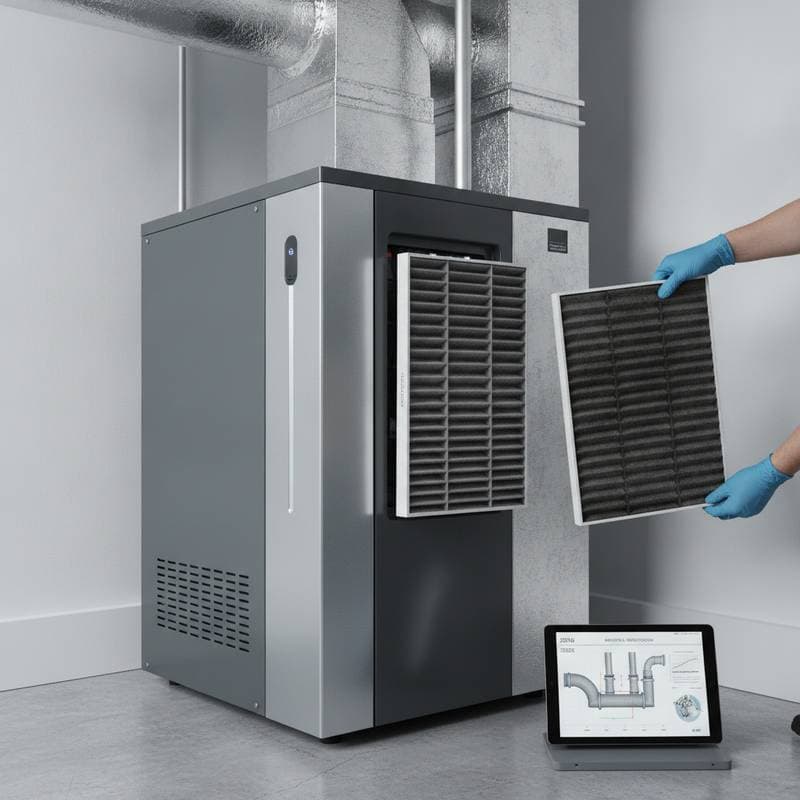
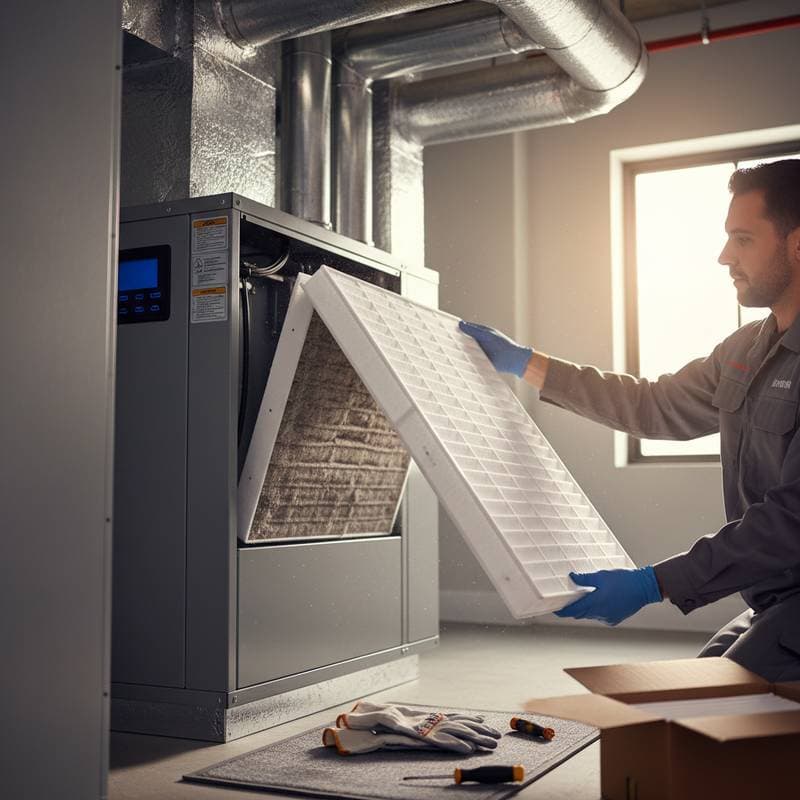
- Extract the used filter. Observe the directional arrow on its edge.
- Position the replacement. Align arrows toward the blower assembly.
- Reattach the panel and reactivate. Verify improved airflow post-restart.
Completion requires under ten minutes and seldom demands tools beyond a basic screwdriver.
Anticipated Expenses
Costs fluctuate with filter composition and dimensions. Fiberglass basics range from two to five dollars per unit, whereas pleated or electrostatic alternatives span ten to thirty dollars. Specialized HEPA installations surpass fifty dollars. Although initial outlays for advanced filters rise, their longevity and air quality benefits offset expenses through reduced upkeep and health interventions.
Incorporate filter procurement into broader seasonal preparations, alongside duct servicing and thermostat evaluations. Quality filtration investment mitigates component stress, prolonging overall system viability.
Professional Intervention Thresholds
Persistent airflow weakness or room-specific temperature variances after filter renewal suggest underlying concerns. Duct contamination, motor inefficiencies, or obstructed pathways may imitate filter problems. Engage a licensed technician for comprehensive diagnostics and cleansing. Seasonal service plans frequently bundle filter installation, performance assessments, and control optimizations.
Sustaining Optimal System Performance
Regular filter maintenance ensures seamless HVAC operation from fall through winter. Fresh filters curb energy demands, safeguard internals, and foster salubrious air. Initiate seasonal inspections promptly and stock spares for convenience. Integrating this practice yields enhanced comfort, fiscal prudence, and equipment endurance, transforming a modest component into a cornerstone of household efficiency.