Prepare Your AC Now: Slash Cooling Costs by 20 Percent Before Peak Season
As temperatures climb, a reliable air conditioner safeguards health, ensures safety, and maintains comfort. A poorly maintained unit operates inefficiently, drives up energy expenses, and risks failure during the hottest days. Proactive preparation optimizes performance, reduces bills by up to 20 percent according to energy experts, and prolongs equipment life. This comprehensive guide outlines essential maintenance steps, from basic tasks to professional services, empowering homeowners to stay cool without overspending.
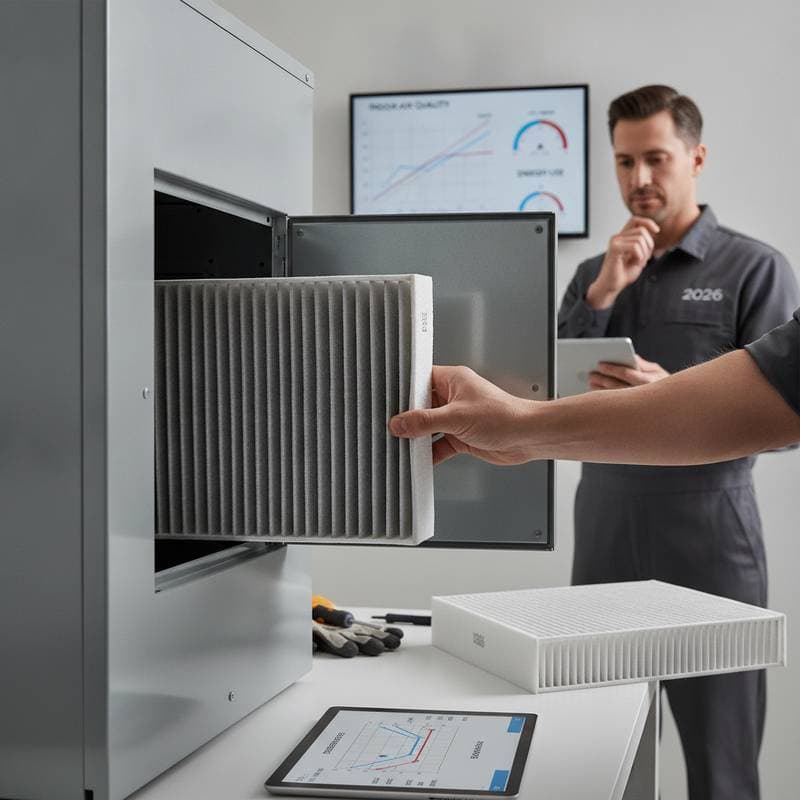
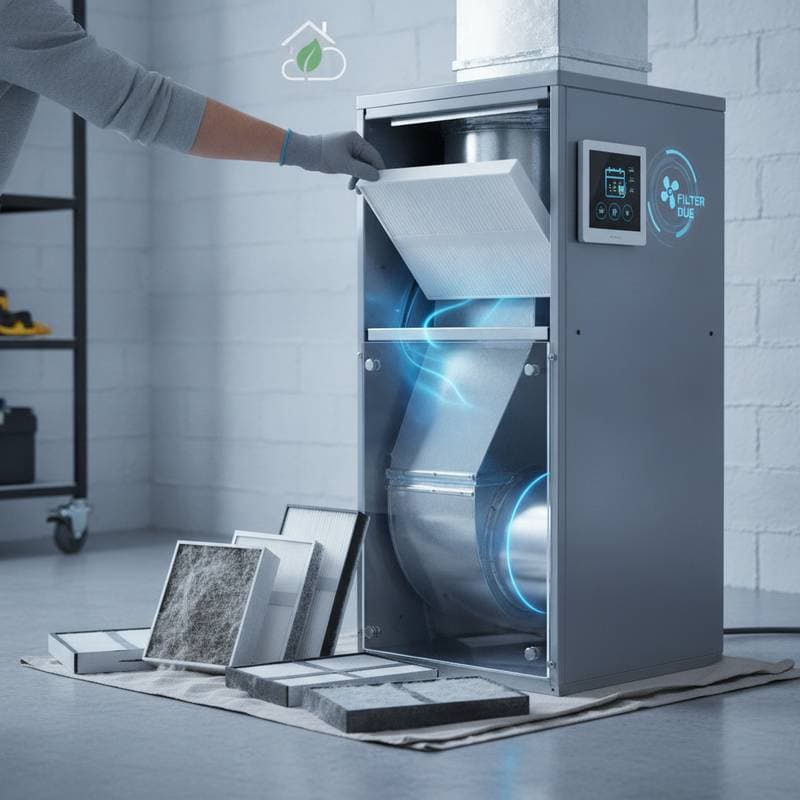
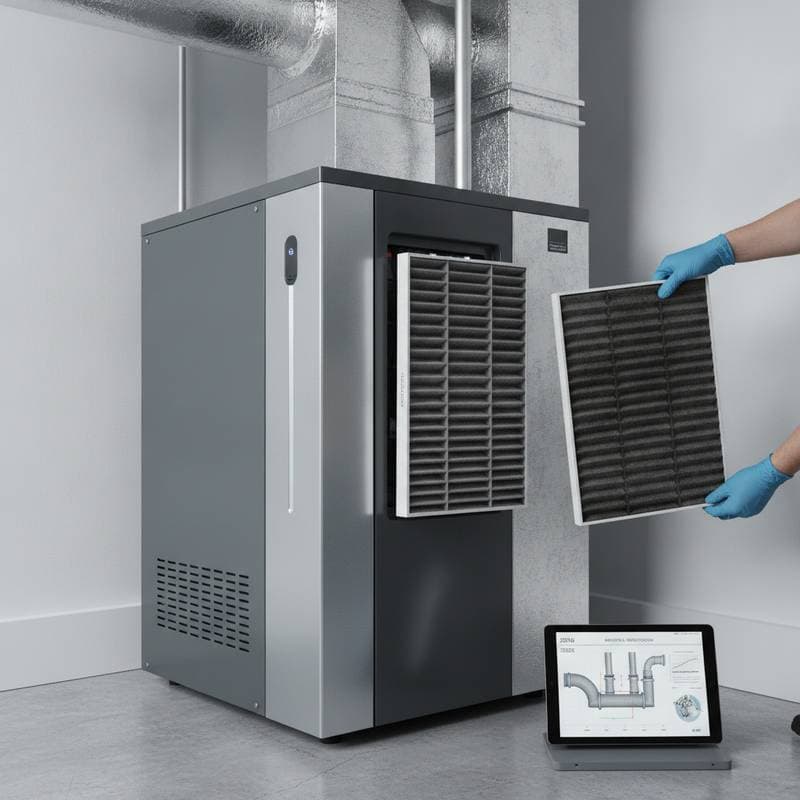
Step 1: Replace or Clean the Air Filter
Air filters trap dust, pollen, and debris, protecting the system while improving indoor air quality. A dirty filter hampers airflow, compels the compressor to work harder, and elevates energy consumption. Regular attention to this component forms the foundation of effective maintenance.
Procedure:
- Shut off the power to the unit at the thermostat and breaker.
- Locate the filter in the return air duct or air handler cabinet.
- Inspect for dirt buildup; consult the owner's manual for replacement intervals.
- Install a new disposable filter or rinse a reusable one with lukewarm water and mild detergent, ensuring it dries fully before reinsertion.
- Secure the filter with the airflow arrow pointing toward the blower.
Disposable filters range from $10 to $40, based on size and efficiency rating. This task requires no special tools and completes in under 10 minutes. Select a filter with an appropriate MERV rating—typically 8 to 13 for residential systems—to balance filtration and airflow without straining the unit.
Step 2: Clean the Outdoor Condenser Unit
The outdoor condenser releases heat absorbed indoors, but dirt, leaves, and debris can insulate it, reducing efficiency. Accumulated grime forces the system to cycle longer, increasing wear and operational costs. Clearing this area enhances heat dissipation and overall performance.
Procedure:
- Turn off power to the outdoor unit.
- Remove debris with a soft broom or garden hose on low pressure; avoid high-pressure washers that may bend fins.
- Straighten any bent fins using a fin comb tool.
- Trim surrounding shrubs or grass to maintain at least 2 feet of clearance.
- Rinse gently and allow to dry before restoring power.
Basic cleaning supplies cost $5 to $20. The process takes 20 to 30 minutes and suits most homeowners. Schedule this cleaning monthly during peak season to prevent efficiency losses that contribute to higher bills.
Step 3: Inspect and Clean the Evaporator Coil
Located inside the air handler, the evaporator coil transfers heat from indoor air to the refrigerant. Dust and mold accumulation on its surface impedes this process, leading to uneven cooling and potential system overload. Thorough cleaning restores optimal heat absorption.
Procedure:
- Disconnect power to the indoor unit.
- Access the coil by removing the access panel.
- Apply a no-rinse evaporator coil cleaner spray, allowing it to foam and dissolve residues.
- Brush away loosened dirt gently, directing it toward the drain pan.
- Reassemble and test for proper drainage.
Coil cleaners cost $15 to $30. Moderate skill level applies, with completion in 1 to 2 hours. If corrosion or extensive mold appears, engage a professional to avoid damaging delicate fins or risking indoor air contamination.
Step 4: Seal Ductwork Leaks
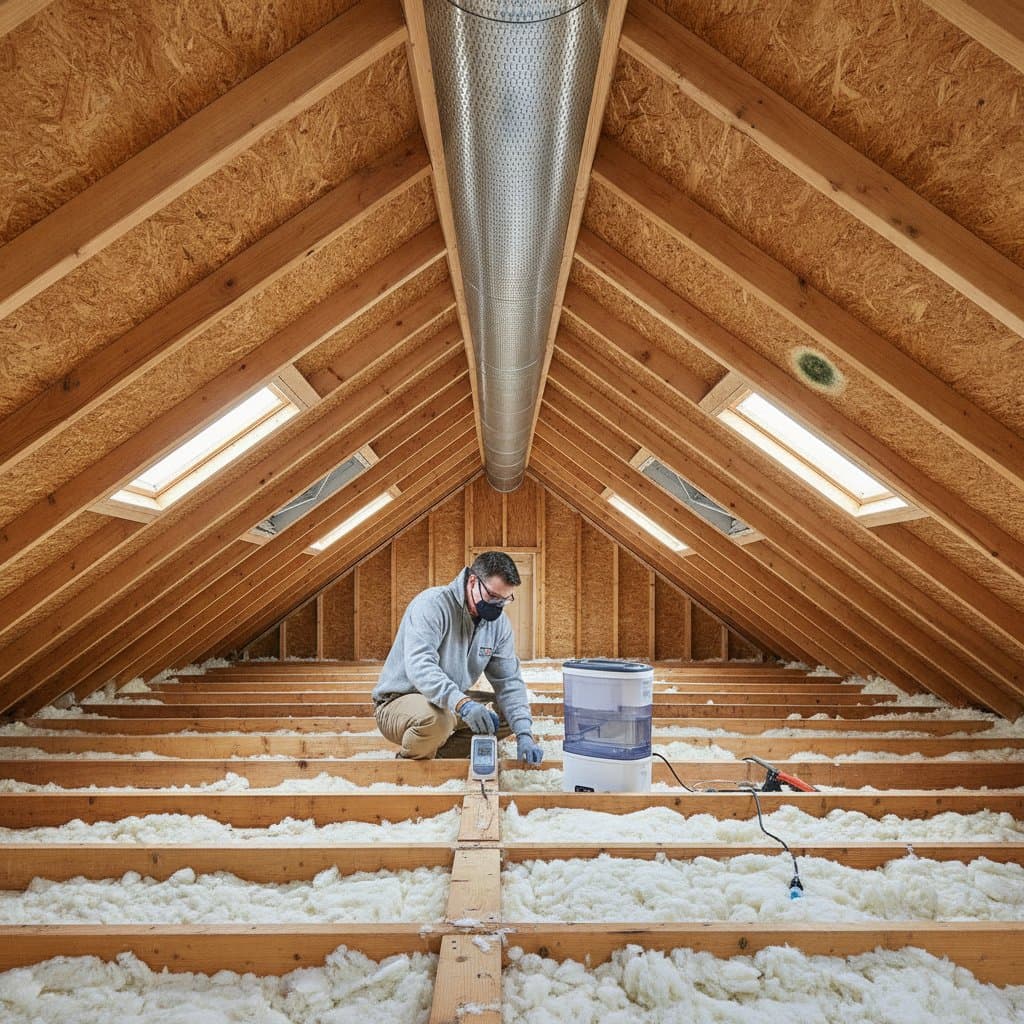
Duct systems deliver cooled air throughout the home, but leaks in joints or connections waste up to 30 percent of energy. Sealing these gaps improves distribution, lowers utility costs, and enhances comfort in all rooms. Addressing leaks prevents conditioned air from escaping into attics or walls.
Procedure:
- Identify accessible ducts in basements, attics, or crawl spaces.
- Pressurize the system lightly or use smoke pencils to detect leaks.
- Apply mastic sealant or foil tape to joints; avoid cloth-backed duct tape, which deteriorates quickly.
- Insulate exposed ducts in unconditioned areas with foam sleeves or wrap.
- Run the system to verify improved airflow.
Sealants and insulation materials cost $20 to $50. This step demands 1 to 3 hours, depending on duct accessibility. For hidden or complex networks, professional assessment ensures comprehensive repairs.
Step 5: Calibrate the Thermostat
The thermostat regulates cooling cycles based on temperature readings. Inaccurate sensors or poor placement cause overcooling or undercooling, spiking energy use. Proper calibration aligns the system with actual conditions, promoting efficiency.
Procedure:
- Place an independent thermometer near the thermostat for comparison.
- Adjust settings or replace batteries if discrepancies exceed 2 degrees.
- Program schedules to raise temperatures during absences or sleep.
- Upgrade to a smart thermostat for automated adjustments and usage insights.
- Relocate if necessary, avoiding drafts, sunlight, or heat sources.
Basic models cost $20, while smart options range from $100 to $250. Installation requires 30 to 60 minutes. Optimal placement on an interior wall at 5 feet height yields the most reliable readings.
Step 6: Clear Condensate Drain Lines
Condensation from the evaporator coil drains away moisture, but clogs from algae or debris cause water backups, leading to shutdowns or water damage. Clear lines maintain humidity control and prevent costly repairs. Routine flushing keeps drainage unobstructed.
Procedure:
- Locate the drain line exiting the air handler.
- Pour a vinegar-water solution (1:1 ratio) down the line to dissolve buildup.
- Use a wet-dry vacuum to suck out stubborn clogs from the access point.
- Install a drain pan overflow switch for added protection.
- Flush monthly during cooling season.
Supplies cost under $10. The task takes 15 to 30 minutes. Persistent issues signal the need for professional pipe replacement to avert mold growth or electrical hazards.
Step 7: Arrange a Professional Inspection
Expert technicians perform diagnostics beyond DIY reach, such as refrigerant charging and electrical safety checks. These services detect subtle issues early, averting breakdowns and ensuring compliance with codes. Annual tune-ups sustain peak efficiency.
Service components:
- Measure and adjust refrigerant levels.
- Test electrical components and secure connections.
- Lubricate moving parts and inspect belts.
- Evaluate temperature drops across the system.
- Confirm safety devices and airflow rates.
Fees range from $100 to $200 for a 1-hour visit. Opt for certified technicians through organizations like NATE. Maintenance contracts often bundle services at reduced rates, supporting warranty validity.
Step 8: Conduct a Full System Test
Early operation reveals performance flaws before demand peaks. Testing confirms balanced cooling, identifies noises or vibrations, and verifies thermostat response. Prompt fixes avoid mid-season disruptions.
Procedure:
- Set the thermostat to cool and run for 15 to 30 minutes.
- Assess airflow strength at each register.
- Measure supply and return air temperatures; a 15 to 20-degree difference indicates efficiency.
- Listen for rattles, squeals, or humming.
- Monitor for ice formation on coils, signaling low refrigerant.
No cost beyond time, completing in under an hour. Document findings to inform future maintenance. Weak performance warrants immediate professional intervention.
Sustaining Long-Term Efficiency
Consistent care extends beyond summer, fostering a resilient system year-round. Maintain a log of all activities to monitor trends and predict needs. Integrate these habits to maximize return on your HVAC investment.
Ongoing practices:
- Clean or replace filters every 1 to 3 months.
- Clear outdoor unit surroundings seasonally.
- Inspect drains and coils biannually.
- Use fans to circulate air and reduce AC reliance.
- Book professional services before each heating and cooling season.
These measures not only cut costs but also enhance home comfort and air quality, providing enduring value.