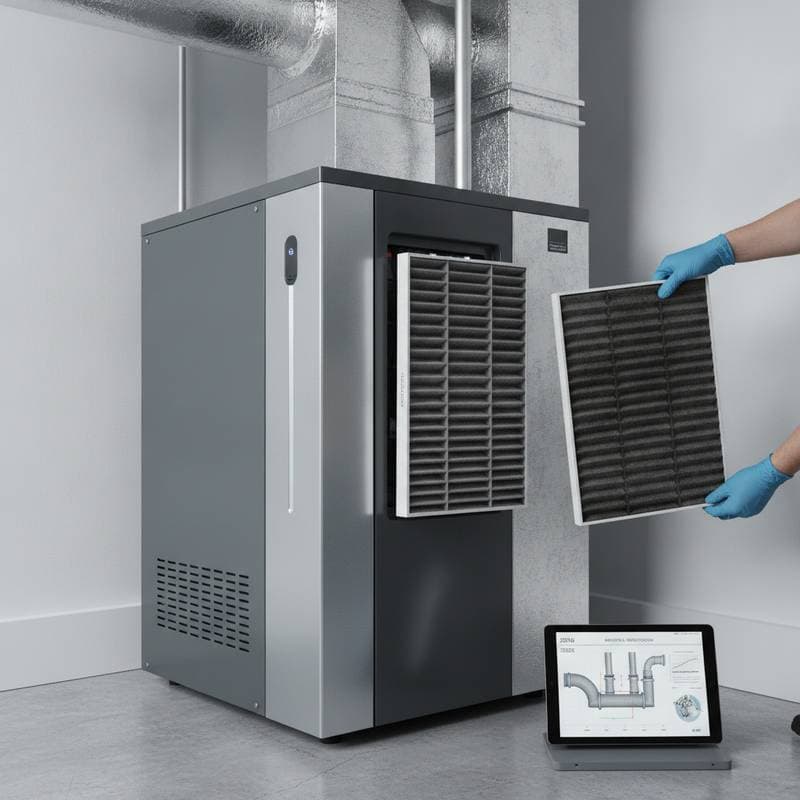
Selecting Optimal HVAC Filters for Fall Efficiency
Homeowners recognize the importance of clean indoor air, yet seasonal transitions often lead to overlooked HVAC maintenance. As fall approaches, accumulated summer dust, pollen, and pet dander strain heating systems, compelling them to operate less efficiently and compromising air quality. Establishing a regular filter replacement routine before temperatures drop enhances system performance, prolongs equipment durability, and yields measurable energy savings.
This guide details superior filter options, outlines a practical replacement timeline, and provides technician-endorsed strategies to maintain peak operation during heating season.
Evaluating HVAC Filter Options
Filters vary in construction and capability, so align selections with your HVAC setup and living conditions for optimal results. Below, explore prevalent types and their applications.
Fiberglass Filters
These entry-level filters, crafted from spun fiberglass, capture substantial debris such as household lint and coarse dust. Smaller particles, including allergens, frequently evade capture, limiting their suitability for sensitive environments. Designed for monthly disposal, they suit basic needs in pet-free, low-allergen homes where budget constraints prevail.
Pleated Filters
Featuring accordion-folded synthetic media, pleated filters expand capture surface area to ensnare finer contaminants like pollen, mold, and ultrafine dust. This design extends usability to one through three months, contingent on household activity and ambient pollution levels. They represent a balanced upgrade for moderate air quality demands.
Electrostatic Filters
Leveraging static charge to draw particles, electrostatic filters excel at trapping submicron irritants beyond mechanical means. Available in disposable formats for one to three months or reusable models lasting years with periodic rinsing, they prove invaluable in homes with pets, tobacco use, or elevated particulate exposure. Regular cleaning sustains their electrostatic potency.
HEPA Filters
High-efficiency particulate air filters remove 99.97 percent of airborne particles measuring 0.3 microns or larger, offering unparalleled protection against allergens and pollutants. Their dense structure demands verification of HVAC compatibility to avoid airflow restrictions that could overburden the system. Install them in allergy-prone residences after consulting equipment specifications.
Activated Carbon Filters
Incorporating adsorbent carbon layers, these filters neutralize odors, gases, and volatile organic compounds alongside particulate trapping. Pair them with pleated or HEPA bases for comprehensive purification in environments marked by cooking fumes, pet smells, or chemical off-gassing. Replacement intervals mirror the base filter, typically every one to three months.
Technician Insights for Effective Filter Management
Seasoned HVAC professionals emphasize precise practices to maximize filter efficacy and system health.
-
Verify exact dimensions by measuring your existing filter, including width, height, and depth, to secure a seamless fit. Ill-fitting units permit unfiltered air leakage, diminishing overall performance.
-
Orient the filter correctly by following the directional arrows on the frame, which indicate airflow path from return to supply ducts. Reversed installation impedes circulation and accelerates motor wear.
-
Clean surrounding components during replacement by vacuuming return vents and wiping grilles with a microfiber cloth lightly moistened with water. This prevents reintroduction of settled debris into the airstream.
-
Transition to advanced filters if allergies, asthma, or dust accumulation affect your home. Begin with pleated models to observe improvements in air clarity and symptom relief before advancing to electrostatic or HEPA variants.
-
Integrate annual professional tune-ups to assess system balance, duct integrity, and filter seating. Technicians often bundle filter swaps into these visits, uncovering issues like coil fouling or belt tension that impact efficiency.
Quantifying Savings and Long-Term Value
Unobstructed filters enable smooth airflow, reducing the energy required for heating distribution. According to the U.S. Department of Energy, maintaining clean filters lowers consumption by up to 15 percent, translating to substantial annual savings on utility statements.
While premium pleated or electrostatic filters carry a higher upfront price, their extended lifespan and superior protection mitigate expenses by easing system workload. Track pre- and post-replacement billing cycles to quantify reductions, often noticing 10 to 15 percent drops in heating costs after adopting a vigilant schedule.
Initial investments in quality filters yield compounded returns through decreased repair frequency and preserved equipment lifespan, safeguarding your home's comfort infrastructure.
Balancing DIY and Expert Interventions
Filter replacement qualifies as a straightforward DIY endeavor, accessible via the access panel without specialized tools. Locate the filter slot, slide out the old unit, insert the new one, and secure the panel, completing the process in under five minutes.
For comprehensive assurance, enlist professionals for homes with complex layouts, aging infrastructure, or multi-zone setups. Experts evaluate static pressure, inspect for duct leaks, and calibrate airflow, detecting subtle inefficiencies that evade casual observation.
Adopt a hybrid strategy: perform monthly or quarterly swaps independently while booking biannual servicing to address broader diagnostics, ensuring sustained reliability without excessive outlay.
Sustaining Peak Performance Year-Round
Commit to a fall initiation of your filter calendar to preempt winter demands, targeting replacements every 30 to 90 days based on filter type and home factors. Stock multiples in a designated storage area, annotating installation dates on each for effortless monitoring.
This proactive regimen not only elevates air purity and operational smoothness but also fortifies your heating system's resilience against seasonal rigors. Dedicate these brief intervals to maintenance, and enjoy the rewards of lower expenditures, healthier environs, and dependable warmth throughout the year.