Fall HVAC Filter Guide: Timing Replacements and Selecting the Best Types
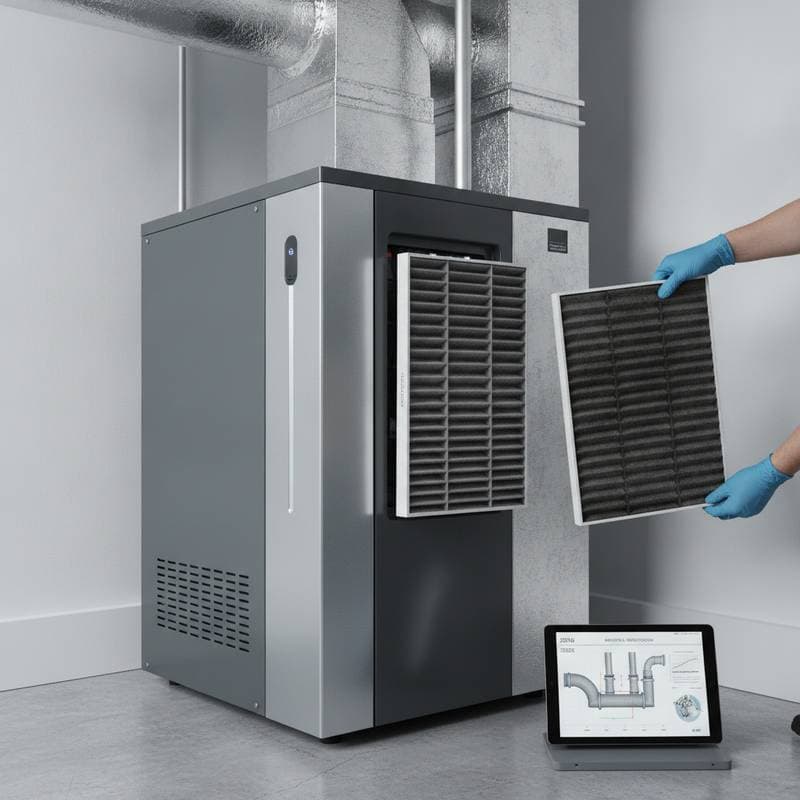
A home often feels uncomfortable when the air quality declines or temperatures fluctuate unexpectedly. A clogged HVAC filter frequently causes these issues. As autumn arrives with cooler temperatures, prepare your system by installing a new filter. This step ensures efficient furnace operation, better air quality, and protection against potential breakdowns.
Homeowners sometimes overlook filter maintenance until the system shows signs of strain. Fortunately, the replacement process requires minimal time and expense, providing an effective method to sustain comfort throughout the year.
Reasons Fall Marks the Ideal Time for HVAC Filter Replacement
HVAC systems experience peak demand during seasonal transitions, leading to quicker filter clogging toward summer's end. Accumulated dust, pollen, and pet dander obstruct the filter, compelling the blower motor to exert more effort. Such added stress diminishes efficiency and may reduce the lifespan of system components.
Installing a fresh filter prior to the heating season allows the system to operate smoothly. Clean filters facilitate efficient air warming by the furnace, potentially lowering energy expenses by up to 15 percent, and elevate indoor air quality for all occupants. Households with allergy sufferers or pets benefit particularly from this timely maintenance.
Essential Guidance: Replacement Frequency by Filter Size
- 1-inch filters: Replace every 30 to 60 days
- 2-inch filters: Replace every 60 to 90 days
- 4-inch filters: Replace every 90 to 120 days
- 5-inch filters: Replace every 120 to 180 days
In environments with indoor smoking, multiple pets, or individuals sensitive to respiratory irritants, inspect the filter monthly irrespective of its dimensions. Perform a visual check as the primary indicator. Hold the filter toward a light source; if light fails to pass through, immediate replacement becomes necessary.
Decoding Filter Ratings and Their Implications
Filters vary significantly in performance. The Minimum Efficiency Reporting Value, or MERV, quantifies a filter's ability to capture particles, ranging from 1 to 16, where elevated ratings target finer contaminants.
| MERV Rating | Particle Size Captured (microns) | Common Use | Notes |
|---|---|---|---|
| 1 to 4 | 10 microns or larger | Basic residential | Captures dust, lint, and fibers |
| 5 to 8 | 3 to 10 microns | Standard homes | Traps mold spores and pet dander |
| 9 to 12 | 1 to 3 microns | Allergy households | Captures fine dust and smoke |
| 13 to 16 | 0.3 to 1 micron | Hospital-grade | May restrict airflow if system is not rated for it |
For typical residences, a MERV rating of 8 to 12 proves optimal. This range maintains adequate airflow while providing robust filtration, avoiding undue burden on the blower motor. Consult the system's manual prior to selecting a higher MERV filter, as certain older units cannot accommodate increased resistance.
Recommended HVAC Filter Types and Appropriate Applications
Filter selection hinges on air quality objectives, system specifications, and replacement commitment level.
1. Fiberglass Filters
- Thickness: Typically 1 inch
- Cost: Approximately 2 to 5 dollars each
- Best for: Fundamental dust protection
These disposable units consist of spun glass fibers and represent the most economical choice. They shield the system from substantial debris yet offer limited enhancement to indoor air quality. Opt for them in budget-constrained scenarios or allergy-free homes. Replace every 30 days.
2. Pleated Filters
- Thickness: 1 to 4 inches
- Cost: 8 to 20 dollars each
- Best for: Residences with pets or moderate allergies
Pleated designs feature folded material that expands surface area for superior dust retention. They commonly achieve MERV ratings of 8 to 12. These filters deliver a balanced performance in airflow and particle capture. Replace every 60 to 90 days.
3. Electrostatic Filters
- Thickness: 1 to 2 inches
- Cost: 15 to 30 dollars each
- Best for: Managing allergies and smoke
Electrostatic filters employ static charge to draw in airborne particles. Available in disposable or reusable formats, the washable versions reduce long-term costs but require monthly cleaning. Ensure complete drying after washing to avoid mold growth before reinstallation.
4. HEPA Filters (High Efficiency Particulate Air)
- Thickness: Typically 4 to 5 inches
- Cost: 25 to 70 dollars each
- Best for: Severe allergies or asthma conditions
HEPA filters remove up to 99.97 percent of particles measuring 0.3 microns or larger. However, standard home systems rarely accommodate them without adjustments. Professional installation often proves necessary for retrofitting. Seek advice from an HVAC specialist before proceeding.
5. Activated Carbon Filters
- Thickness: 1 to 4 inches
- Cost: 15 to 40 dollars each
- Best for: Odor and smoke mitigation
Incorporating a carbon layer, these filters neutralize odors from cooking, pets, or tobacco smoke. They complement pleated filters effectively for overall air purification. Replace every 90 days to sustain performance.
Step-by-Step Process for Safe HVAC Filter Replacement
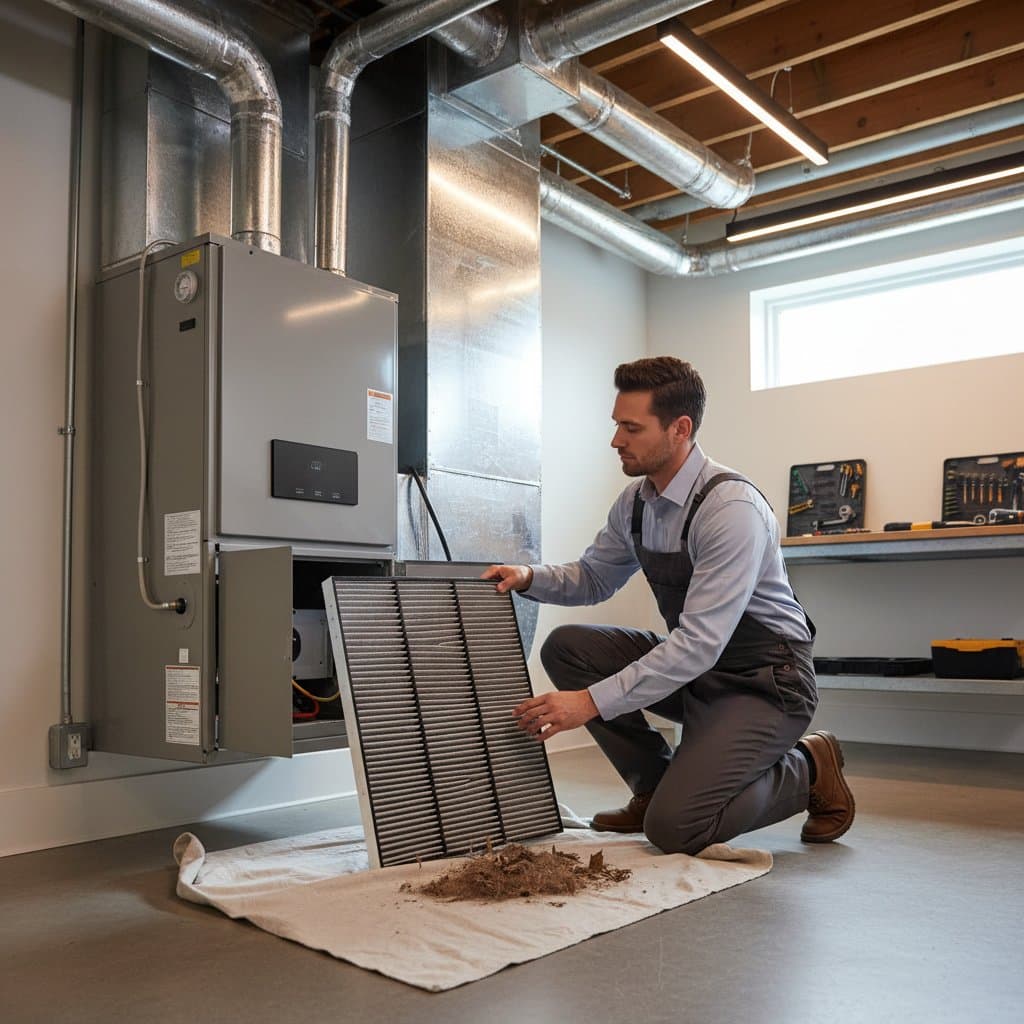
The replacement procedure typically requires under ten minutes when executed properly, safeguarding system integrity.
- Power down the HVAC system to avoid drawing dust into ducts during filter removal.
- Identify the filter compartment, usually located behind a return air grille or within the blower housing.
- Verify the dimensions of the current filter, such as 16x25x1, 20x25x1, or 20x30x4 inches. Select an identical match for width and depth.
- Observe the airflow arrow on the old filter and orient the new one similarly, pointing toward the furnace or air handler.
- Restore power to the system and monitor for standard airflow sounds. Whistling indicates an improper seal.
Recommended Tools
- Flashlight to illuminate the area
- Screwdriver for securing grilles with screws
- Vacuum cleaner to remove surrounding dust
Key Safety Precaution
Operate the HVAC system only with a filter in place. Even brief operation without one permits rapid dust accumulation on the blower and coils, resulting in diminished performance or repair costs.
Pitfalls to Steer Clear Of During Maintenance
- Incorrect sizing: Gaps permit unfiltered air to circumvent the filter. Measure precisely and select an exact fit.
- Delayed replacements: Prolonged use leads to restricted airflow and energy consumption increases of up to 20 percent.
- Multiple filter layers: Adding extras for enhanced protection actually impedes airflow and burdens the motor.
- Neglecting vent areas: Dust accumulates near grilles; clean them during filter changes to optimize circulation.
Accommodating Accessibility and Air Quality Needs
For individuals with mobility limitations or respiratory concerns, select durable pleated filters lasting 90 to 120 days to simplify upkeep. Alternatively, install a whole-home filtration setup featuring 5-inch media filters, which endure up to six months and minimize allergens like pollen and dust mites.
In cases of heightened sensitivities, pair a MERV 13 filter with standalone air purifiers in sleeping areas. This approach fosters cleaner personal spaces without taxing the central blower.
Indicators for Professional HVAC Assistance
Persistent weak airflow post-replacement signals potential issues like duct contamination or blower malfunction, warranting expert evaluation. Technicians can assess compatibility with advanced filters and perform necessary pressure calibrations.
Arrange a service if observations include:
- Abnormal sounds during operation
- Inconsistent room temperatures
- Rapid filter clogging
- Noticeable dust near vents
Professionals examine static pressure, seal duct leaks, and clean coils to restore optimal function.
Establishing a Reliable Maintenance Routine
Regular HVAC filter replacements represent a straightforward strategy to conserve energy, preserve comfort, and safeguard air quality. Program seasonal calendar alerts for inspections. Maintain a supply of spares to eliminate excuses for delay. These practices yield benefits in purer air, reduced utility costs, and minimized repair expenses over time.
Treat your HVAC system as the vital respiratory component of your residence. Consistent filter care ensures reliable performance and comfort from fall onward.