Prepare Your AC Early to Conquer Summer Heat
When temperatures rise, a reliable air conditioning system provides essential relief. Early preparation delivers consistent comfort, reduces utility bills, and minimizes emergency repairs during peak heat. Homeowners who delay until the first heatwave often face preventable problems that increase costs and discomfort. A proactive strategy saves time, money, and extends equipment life.
Why Early AC Preparation Matters
Air conditioners face maximum strain during the hottest months, which accelerates wear on components. Dust accumulation, worn belts, low refrigerant, and dirty filters lower efficiency and increase energy use. Unaddressed issues lead to breakdowns and expensive fixes. Early checks identify minor problems, allowing repairs before technicians face high demand.
Experts from the Air Conditioning Contractors of America note that maintained systems run up to 15 percent more efficiently than neglected ones. This improvement directly lowers monthly bills. Prepared units cool spaces faster and maintain temperatures with less frequent cycling.
Understanding AC Maintenance Costs
Costs for pre-summer AC preparation vary by system size, type, and location. Homeowners typically pay 75 to 200 dollars for a professional inspection and tune-up. Larger or advanced systems may incur higher fees.
National Averages
Standard tune-ups for single-unit homes range from 100 to 150 dollars. Multi-unit setups can reach 250 dollars, particularly if parts like filters or capacitors need replacement.
Regional Differences
Coastal areas with high humidity often see 10 to 20 percent higher prices due to corrosion. Inland dry regions may have lower costs, though dust requires more filter changes.
Seasonal and Economic Influences
Prices increase in late spring from demand surges. Scheduling in cooler months secures lower rates. Fuel costs, labor rates, and part prices also affect totals.
Pricing Models for AC Services
HVAC providers employ varied models that impact preparation expenses.
- Hourly versus Flat Fees
Hourly charges run 75 to 150 dollars per hour. Flat-rate options cover inspection, cleaning, and adjustments. - Per-Unit or Project Pricing
Multi-unit properties benefit from per-unit rates for budgeting. - Bundle Packages
Spring and fall visits often bundle for a single fee, including filters and tweaks. - Subscription Plans
Ongoing services offer priority access. Initial costs exceed one-time fees but cut long-term repairs.
Service Tiers and Associated Costs
Tiers match budgets and system requirements.
Basic Services
Visual checks, thermostat tests, and filter swaps cost 75 to 120 dollars. Ideal for newer, warranted units.
Standard Services
Coil cleaning, refrigerant checks, and electrical tests average 120 to 180 dollars. Suitable for reliable pre-heat preparation.
Premium Services
Duct inspections, airflow balancing, and efficiency tests range from 200 to 300 dollars. Best for older or high-efficiency systems.
Specialized Services
Custom programs for smart or variable-speed units exceed 400 dollars, providing optimization and diagnostics.
Factors Affecting Preparation Pricing
Key elements determine final costs.
- System Size
Larger setups demand more time and materials. - Complexity
Advanced systems require certified experts, raising fees. - Service Duration
Basic tune-ups take one hour; thorough cleanings extend longer. - Materials Required
Filters, refrigerant, or parts add expenses. - Unit Age
Older models need extra diagnostics and replacements.
Add-On Services and Fees
Enhancements boost performance beyond basics.
- Duct Cleaning: 300 to 500 dollars improves air quality and efficiency.
- Thermostat Calibration: 75 to 150 dollars for smart models.
- Refrigerant Recharge: 150 to 400 dollars based on type and amount.
- Priority Service: 50 to 100 dollars extra for expedited visits.
Early booking avoids these premiums.
Steps in Professional AC Preparation
Technicians follow structured processes for thorough readiness.
- Inspection and Cleaning
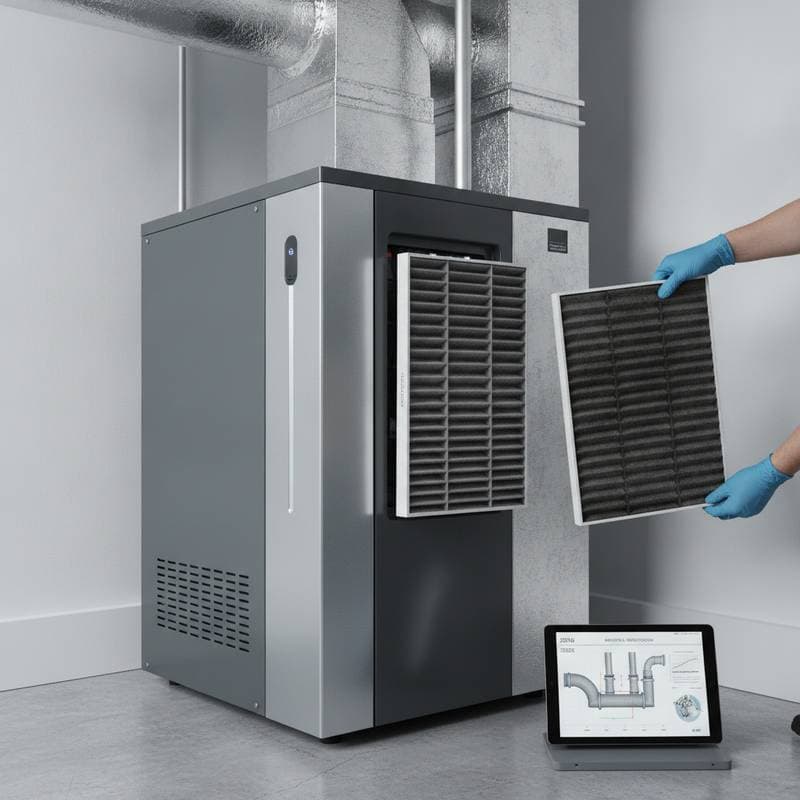
Examine coils, filters, and drains for obstructions. Clean systems enhance airflow. - Lubrication and Adjustments
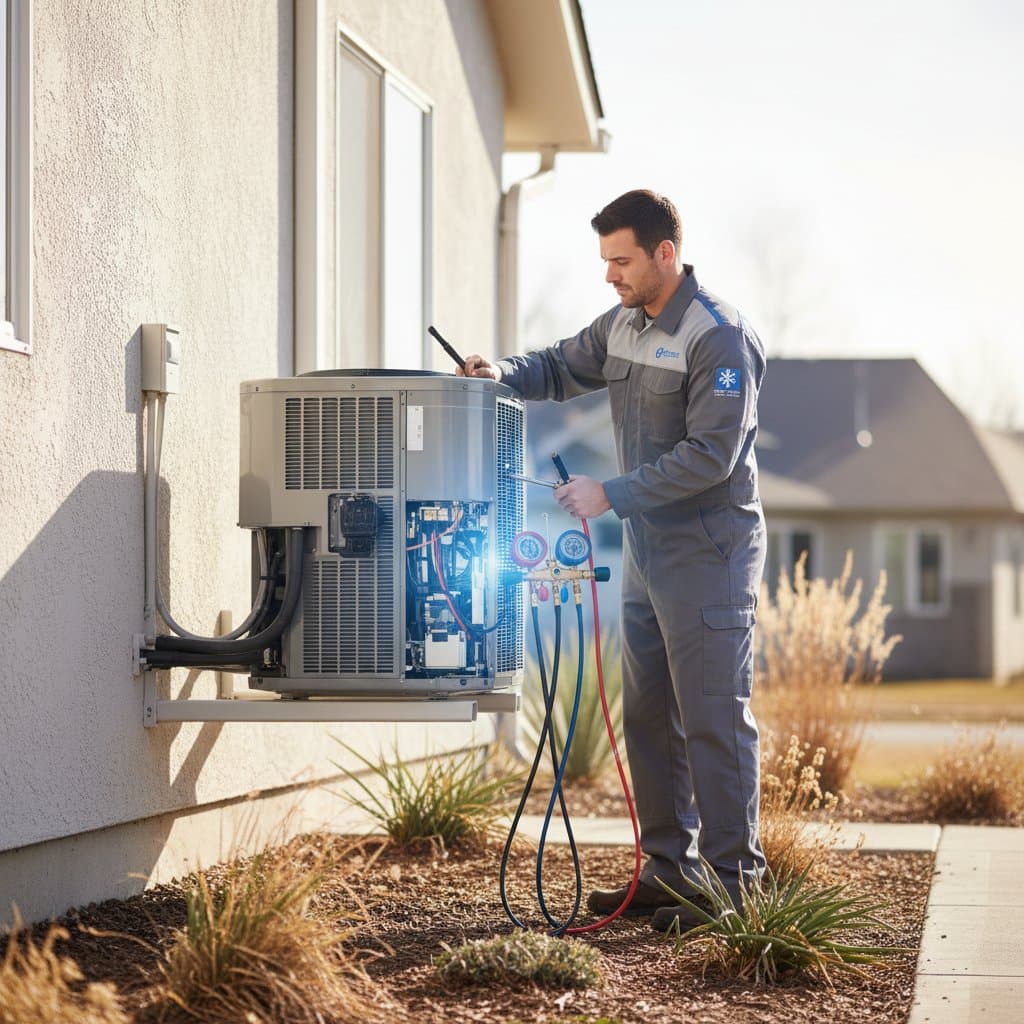
Lubricate motors and belts; tighten connections to reduce noise and vibration. - Refrigerant Checks
Verify levels and repair leaks to sustain cooling. - Thermostat Verification
Test for accuracy to avoid energy waste. - Electrical Safety Review
Inspect wiring and components to prevent hazards.
DIY Preparation Tasks
Homeowners can handle initial steps before professional help.
- Replace filters every one to three months.
- Remove debris from outdoor units.
- Ensure vents remain open.
- Test system startup briefly.
These actions ease professional work and spot early issues.
Importance of Certification and Insurance
Choose providers with technicians certified by North American Technician Excellence or similar groups. Certified experts use approved tools and protocols. Companies with liability and workers compensation insurance protect clients.
Data indicates certified services complete 20 percent faster with fewer follow-ups, lowering overall expenses and boosting reliability.
Efficiency and Sustainability Upgrades
Adopt energy-efficient filters or programmable thermostats to reduce use by 10 percent. Eco-friendly refrigerants gain popularity. Utilities provide rebates for Energy Star-compliant systems. Upfront investments yield savings through lower consumption.
Common Preparation Pitfalls to Avoid
Certain mistakes compromise efforts.
- Overlook minor noises or leaks, which escalate under load.
- Neglect filter changes, straining the compressor.
- Limit to DIY without professional calibration.
- Postpone until heat arrives, facing scheduling delays.
How to Compare and Choose Providers
Request itemized quotes detailing labor, parts, and extras. Evaluate warranties and guarantees alongside prices. Check references and reviews for dependability.
Surveys reveal that securing three quotes saves 12 percent on average. Clear estimates and communication prevent issues.
Steps to Secure Summer Comfort
Early AC preparation ensures reliable cooling and controlled costs. Schedule inspections now, combined with basic home checks. This approach delivers quiet, efficient operation without surprises. Invest in your system today for confident handling of summer demands.