Boost Air Quality with Fall HVAC Filter Rotation
As temperatures decline and homes seal against outdoor elements, indoor air quality demands attention. Fall presents an optimal period to maintain the HVAC system, particularly the air filters. Implementing a strategic filter rotation enhances air purity, minimizes allergens, and optimizes heating efficiency. Homeowners who prioritize filter maintenance during this season secure healthier environments and reduced energy expenses throughout winter.
Understanding HVAC Filter Rotation
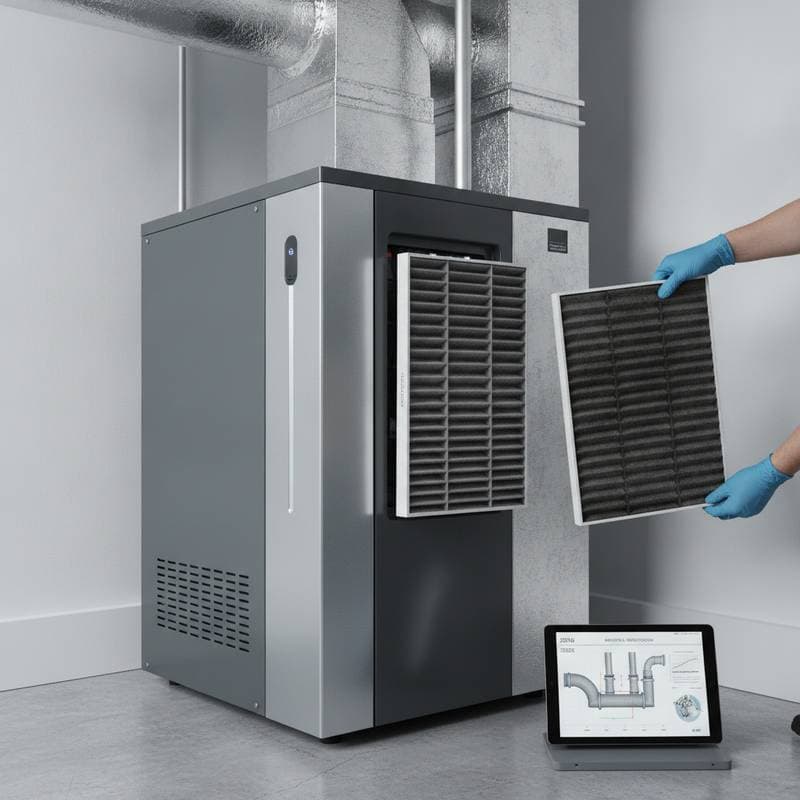
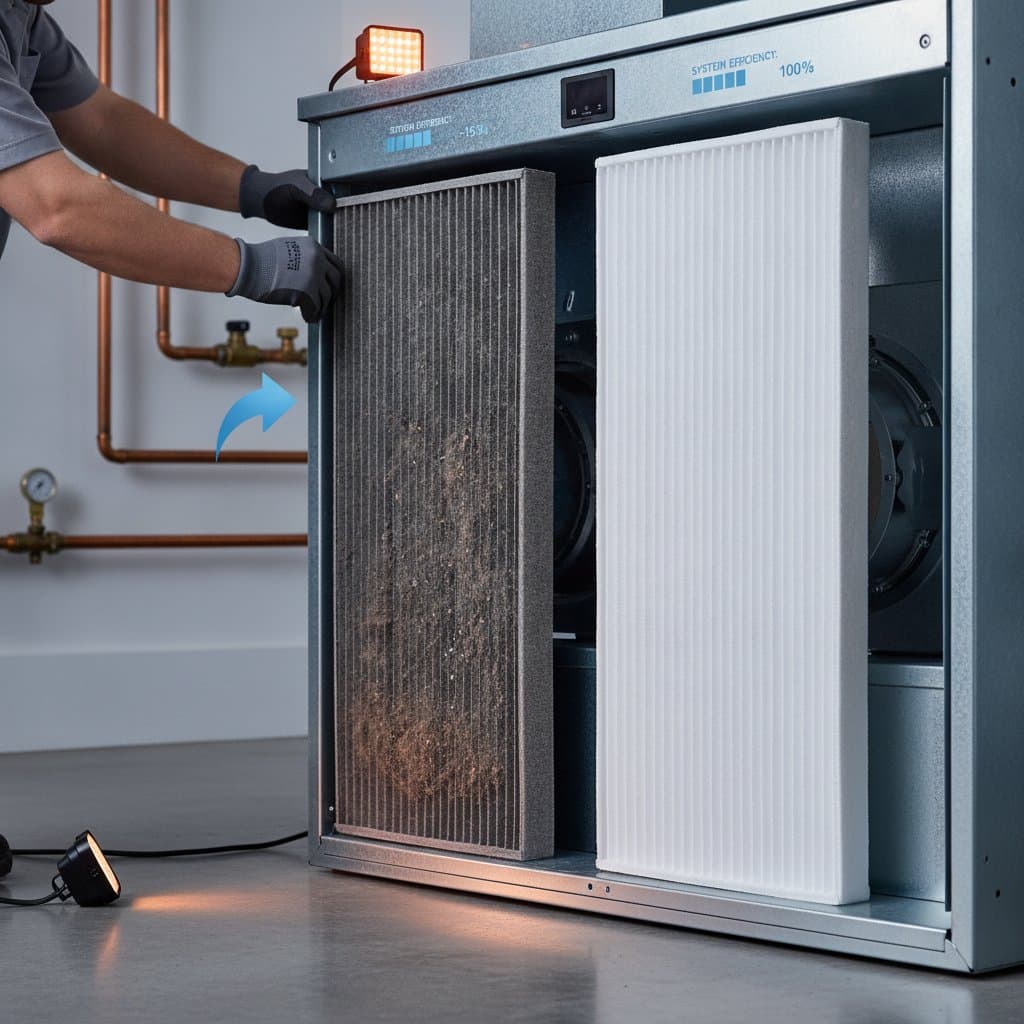
HVAC filter rotation involves establishing a routine for replacing or cleaning the filters within the heating and cooling system. These components capture dust, pollen, pet dander, and other particulates to prevent their distribution throughout the living spaces. When filters accumulate debris, the system labors excessively, which compromises air quality and performance.
A reliable rotation schedule maintains optimal system function. In fall, as the HVAC shifts from cooling to heating modes, filter updates mitigate dust accumulation and ready the equipment for heightened winter operation.
Why Fall Serves as the Optimal Time for Filter Maintenance
Fall provides a transitional interval between intensive cooling and heating demands. This timing allows for filter inspection, cleaning, or replacement without disrupting daily comfort. With milder temperatures, the system operates less, facilitating maintenance efforts.
Additionally, fall addresses summer-induced allergens like dust mites and mold spores. Initiating rotation at this juncture ensures winter air remains fresh, alleviates furnace stress, and limits allergen circulation.
Understanding HVAC Filter Costs
Filter maintenance expenses vary based on filter type, system dimensions, and replacement intervals. Familiarity with typical price ranges enables effective budgeting for homeowners.
DIY Filter Replacement Costs
For self-managed replacements, primary costs encompass:
- Filter acquisition: Fiberglass models cost approximately $5 to $10 per unit, whereas pleated or high-efficiency options range from $15 to $30.
- Tools: Standard systems demand only a screwdriver or step ladder.
- Time commitment: The process requires under 15 minutes, though adherence to schedules necessitates organization.
- Disposal: Securely discard used filters to avoid reintroducing dust into the environment.
Self-replacement proves economical and accessible, provided consistency prevails. Neglect leads to elevated heating expenses and diminished comfort.
Professional Maintenance Costs
Engaging an HVAC technician incurs higher fees but delivers comprehensive assessments and tailored advice. Standard services include:
- Filter installation: Technicians select premium filters compatible with the system.
- System evaluation: Inspections identify leaks, airflow obstructions, and component degradation.
- Duct and vent cleaning: These enhancements substantially elevate efficiency and air purity.
- Labor charges: Fees depend on location and system intricacy, typically $75 to $150 per visit.
Professional services offer reassurance, particularly for those inexperienced with HVAC operations. Proper filter fitting and system optimization follow as benefits.
Factors Influencing Pricing
Multiple elements impact filter expenses and replacement cadence:
- Home dimensions: Expansive residences may necessitate additional or oversized filters.
- Pet presence: Animal hair and dander accelerate clogging, demanding frequent updates.
- Allergy considerations: Residences with sensitive individuals favor high-efficiency filters for finer particle capture.
- Environmental conditions: Arid, dusty, or humid areas hasten filter saturation.
- System utilization: Frequent operation shortens filter lifespan.
These variables guide personalized rotation plans and cost management.
DIY vs Professional: Selecting the Appropriate Approach
The decision between self-managed and expert filter maintenance hinges on expertise, time availability, and system demands.
Advantages and Limitations of DIY
Advantages:
- Reduced per-change expenditure
- Flexible scheduling under personal control
- Straightforward execution with basic implements
Limitations:
- Risk of oversight or postponement
- Potential for improper filter placement
- Absence of expert system diagnostics
DIY suits disciplined, organized homeowners with accessible systems. Those who value routine upkeep find it fulfilling.
Advantages and Limitations of Professional Services
Advantages:
- Thorough system analysis by specialists
- Accurate filter choices and secure installation
- Early detection of underlying issues
Limitations:
- Elevated initial outlay
- Dependence on technician schedules
Experts excel for intricate setups, advanced units, or air quality priorities. Seasonal appointments prepare systems for winter reliability.
Essential Skills and Tools for DIY Effectiveness
Successful self-rotation requires:
- Knowledge of HVAC configuration
- Identification of filter specifications and dimensions
- A flathead screwdriver or equivalent
- Replacement filter aligned with manufacturer guidelines
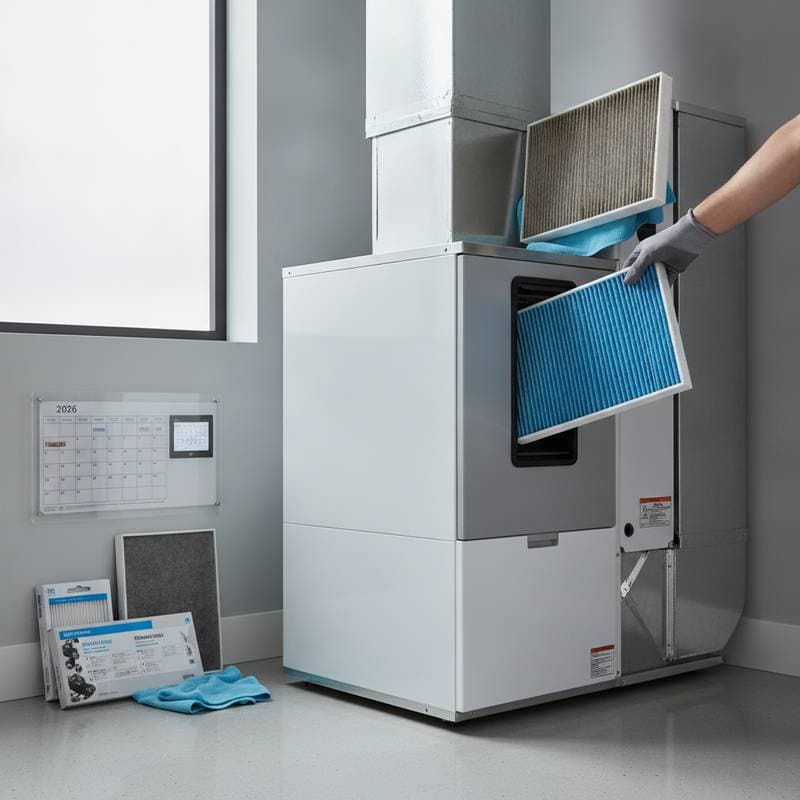
Power down the system prior to filter removal. Position the new filter ensuring airflow indicators point correctly. Record the installation date to track intervals.
Safety and Efficiency Factors
Filter changes pose minimal risks and demand little time, yet accessing elevated or confined areas warrants care. Systems in attics or crawl spaces, or personal mobility limitations, favor professional intervention. Technicians also eliminate dust buildup and verify airflow, conserving effort.
Essential HVAC Filter Insights
Expert responses to frequent inquiries.
How Frequently Should Filters Change in Fall?
Replacement every one to three months suits most households. Fall initiates a new cycle ahead of winter heating demands.
Which Filter Type Enhances Air Quality Most Effectively?
Pleated filters with MERV ratings of 8 to 13 effectively trap pollen and dander while preserving airflow.
Is Vacuuming Disposable Filters Viable for Reuse?
No, such filters lack reusability. Vacuuming compromises structural integrity and filtration capacity; opt for fresh replacements.
Indicators of a Clogged Filter?
Examine against light: minimal transmission or visible debris signals replacement necessity.
Impact of Dirty Filters on Energy Expenses?
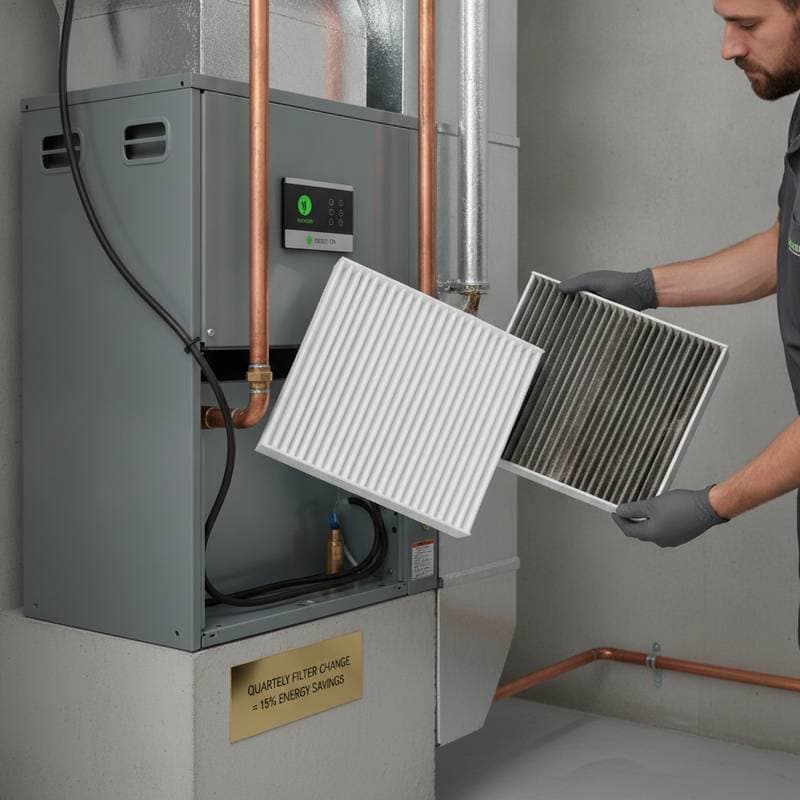
Clogged filters compel harder operation, elevating consumption and accelerating equipment wear.
Viability of Washable Filters?
They reduce long-term costs if dried thoroughly to avert mold. However, they capture fewer fine particulates than pleated disposables.
Do Air Purifiers Substitute for HVAC Filters?
No, purifiers supplement rather than supplant filters, each addressing distinct air quality aspects.
Selecting Correct Filter Dimensions?
Consult the system manual or prior filter markings for precise measurements. Mismatches cause inefficiencies and air escapes.
Increased Frequency for Pet Owners?
Yes, monthly changes manage rapid hair and dander buildup.
Consequences of Neglected Changes?
Reduced airflow, heightened dust dispersion, and overheating risk emerge, prompting repairs and quality declines.
Annual Professional Inspections Necessary?
Yes, yearly checks by certified professionals preempt issues and sustain efficiency.
Allergy Relief from Filter Maintenance?
Regular updates diminish pollen, spores, and mites, easing symptoms for affected individuals.
Air Circulation Improvements from Rotation?
Clean filters facilitate unrestricted flow, stabilizing temperatures and easing fan workload.
Safety of Changing Filters During Operation?
No, deactivate the system first to prevent unfiltered air ingress into ducts.
Step-by-Step Decision Framework
Step 1: Evaluate Household Requirements
Factor in residence scale, occupancy, and allergy prevalence to determine replacement frequency.
Step 2: Review Personal Capabilities
If adept at minor tasks, pursue DIY; otherwise, book expert services pre-winter.
Step 3: Compute Comprehensive Expenses
Account for filter costs alongside energy reductions; clean filters often recoup investments via savings.
Step 4: Weigh Potential Hazards
Maintenance neglect invites air impurities and failures; routine efforts avert substantial repair costs.
Sustaining Optimal Indoor Environments
Consistent filter rotation fosters healthier homes with superior air quality and operational savings. By aligning maintenance with seasonal shifts, homeowners achieve lasting comfort and efficiency. Implement these practices to transform fall routines into enduring benefits for well-being and finances.