2026 Summer HVAC Filter Replacement Schedule for Optimal Efficiency
Maintaining efficiency in your HVAC system during the summer season hinges on a fundamental upkeep practice: regular air filter replacement. A well-maintained filter facilitates unrestricted airflow, which in turn lowers energy demands and ensures steady indoor temperatures. Many homeowners neglect this straightforward procedure, unaware that it profoundly influences air purity, equipment durability, and utility expenses. By implementing a structured filter replacement schedule ahead of peak heat periods, individuals can experience tangible improvements in home comfort and operational savings.
Key Considerations for Summer HVAC Filter Requirements
In the summer months, HVAC units operate under greater strain compared to other seasons, as they cycle more frequently to combat rising temperatures. This heightened activity draws additional airborne particles, including dust, pollen, pet dander, and outdoor pollutants, directly into the filtration system. A clogged filter impedes airflow, compelling the unit to expend extra energy to maintain desired cooling levels. Such inefficiency not only elevates electricity bills but also accelerates wear on critical components like the compressor, blower motor, and evaporator coils.
Several variables determine the appropriate replacement frequency for HVAC filters during summer:
- Filter Type and Quality: Standard fiberglass filters, which capture larger particles, typically require replacement every 30 days due to their limited capacity. In contrast, pleated or high-efficiency particulate air (HEPA) filters, featuring denser materials and higher MERV ratings (Minimum Efficiency Reporting Value, ideally 8-13 for residential use), can extend service up to 90 days while trapping finer contaminants.
- Household Occupancy: Larger families or homes with multiple residents generate more indoor particulates from daily activities, necessitating replacements every 30-45 days to prevent rapid clogging.
- Presence of Pets: Animal hair, skin flakes, and saliva contribute to quicker filter saturation; plan for swaps every 45-60 days in pet-friendly households to mitigate allergen accumulation.
- Health and Allergy Factors: For individuals with respiratory sensitivities or allergies, monthly replacements using filters with MERV 11 or higher ensure minimal recirculation of irritants, fostering a healthier living environment.
By accounting for these elements, homeowners can customize a summer filter schedule that aligns with their specific living conditions, thereby safeguarding system performance and indoor air standards.
Establishing an Effective Filter Replacement Routine
Homeowners should adopt a proactive approach by examining the air filter monthly throughout the summer, replacing it upon observing visible dirt, graying, or reduced pliability. Although manufacturer guidelines may indicate longer lifespans, environmental factors like high humidity or proximity to construction sites often accelerate contamination. To facilitate adherence:
- Schedule automated alerts on digital calendars or smartphone applications for the first day of each summer month.
- Stockpile several spare filters in the recommended dimensions (commonly 16x25x1 inches for standard units; verify your model's specifications) to enable immediate action.
- During inspection, hold the filter against light; if less than 50 percent of the surface allows passage, proceed with replacement.
- Record installation dates and observed conditions in a maintenance log to identify trends, such as faster clogging during pollen-heavy periods.
For systems equipped with variable-speed blowers or smart thermostats, consult the user manual for tailored intervals, as these technologies may tolerate slightly extended filter life without compromising efficiency.
Indicators Requiring Prompt Filter Replacement
Adhering to a schedule provides a strong foundation, yet environmental variables may demand earlier intervention. Monitor for these common symptoms of filter obstruction:
- Inconsistent temperatures, where certain rooms feel warmer than others despite uniform thermostat settings.
- Auditory cues, such as whistling or rattling from air vents, signaling restricted airflow.
- Visible dust accumulation on surfaces like shelves and window sills, indicating particles bypassing the filter.
- Unexpected spikes in energy consumption, potentially adding 5-15 percent to monthly bills without alterations in usage patterns.
Addressing these prompts through filter replacement often resolves issues swiftly, averting the need for professional diagnostics and repairs.
Balancing DIY Replacements with Expert Servicing
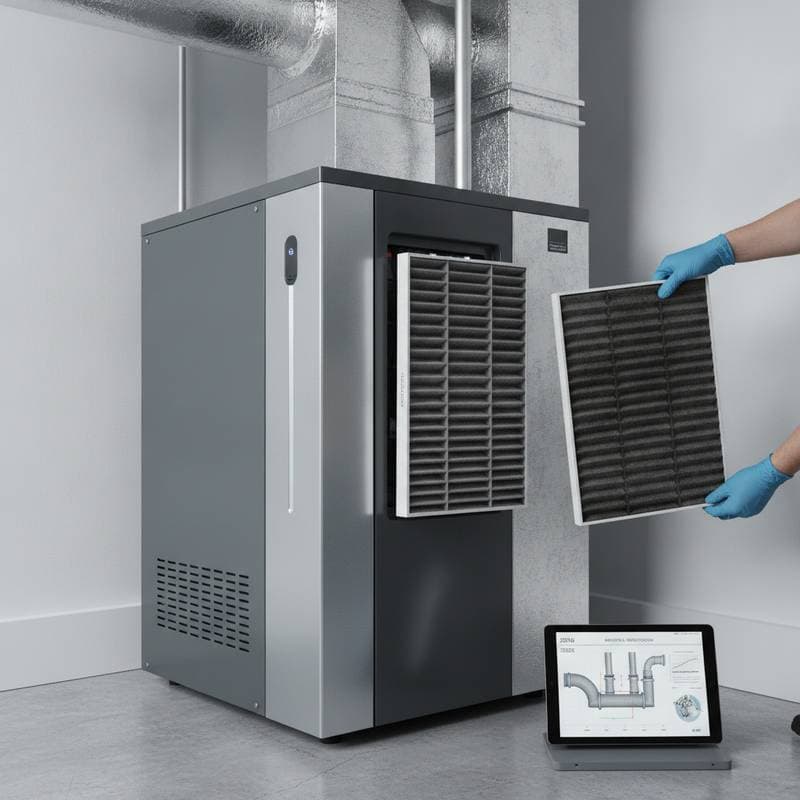
Most air filter changes qualify as simple do-it-yourself projects, completable in under five minutes. Locate the filter slot, typically adjacent to the return air duct or within the furnace housing, and gently slide out the old unit. Before inserting the new filter, confirm the directional arrows on its frame align with the system's airflow path, usually pointing toward the evaporator coil. Select filters matching your unit's size and MERV rating to avoid compatibility problems.
Nevertheless, for setups incorporating electrostatic or UV purification add-ons, or those in hard-to-access locations, engaging a certified technician for seasonal tune-ups proves beneficial. Professionals perform comprehensive evaluations, including duct inspections for leaks, coil cleaning to remove residue, and refrigerant level checks, ensuring holistic system optimization. Such services, conducted biannually, can extend equipment life by years and enhance overall efficiency.
Sustaining Summer-Long HVAC Performance
Regular filter maintenance directly contributes to reduced operational costs, with studies indicating potential savings of up to 15 percent on cooling expenses through improved airflow alone. Complement these efforts by vacuuming register grilles quarterly and calibrating thermostat schedules to match occupancy patterns, thereby minimizing unnecessary runtime. Homeowners who integrate these practices report not only cooler interiors but also diminished reliance on supplemental fans or dehumidifiers.
To embed lasting habits, initiate the summer routine with a pre-season audit before temperatures exceed 80 degrees Fahrenheit. This forward-thinking strategy preserves equipment integrity, elevates air quality, and stabilizes budgets amid escalating heat demands.