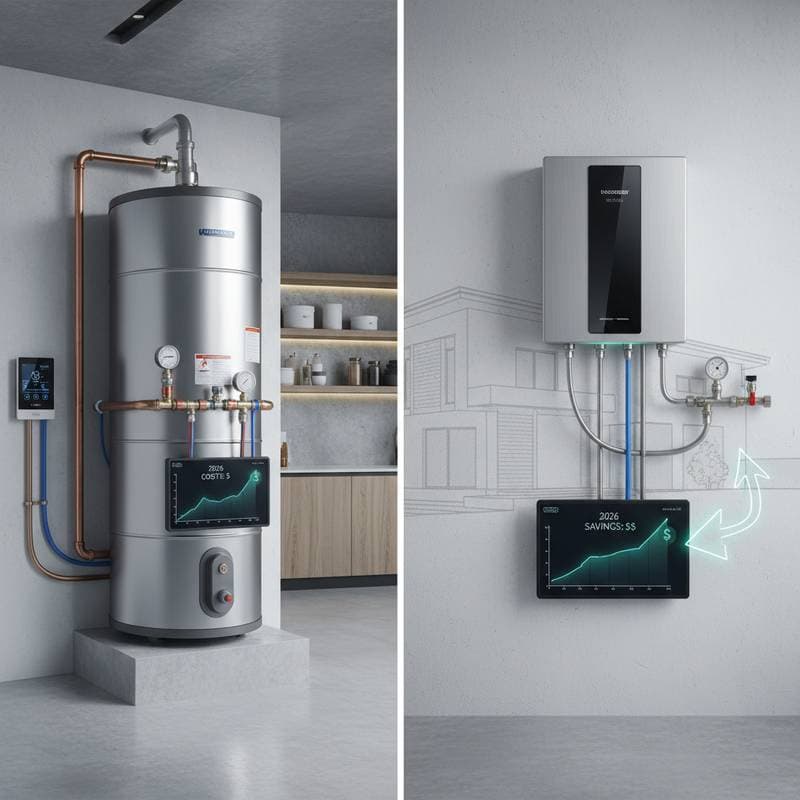
Tank vs. Tankless Water Heaters: The 2026 Cost Comparison
Homeowners replacing water heaters must decide between traditional tank models and modern tankless units. Each system provides hot water reliably, yet they vary in initial expenses, operational efficiency, and upkeep demands. These factors influence household budgets and comfort levels. A clear understanding of the distinctions enables informed decisions tailored to home size, energy objectives, and financial constraints.
How the Systems Operate
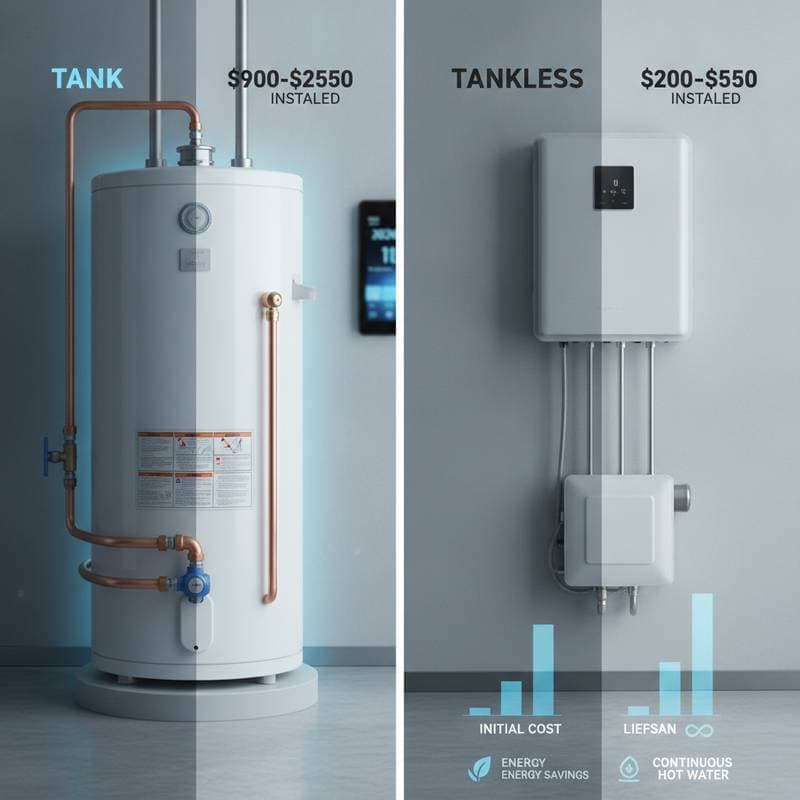
Tank water heaters hold 30 to 80 gallons of water in an insulated reservoir, maintaining a constant temperature. When a faucet opens, hot water flows from this reserve. The tank refills with cold water and reheats it, which creates a recovery period after depletion.
Tankless water heaters activate only during use. Cold water passes through powerful heating coils or burners, producing hot water instantly without storage. This approach prevents energy waste from idle heating, though it demands higher initial investment and setup complexity.
Upfront Installation and Equipment Expenses
Tank water heaters offer affordability at the outset. A basic unit, complete with parts and labor, typically installs for $800 to $1,500. The process involves simple plumbing adjustments, particularly when substituting a similar existing model.
Tankless installations prove more intricate and costly, ranging from $1,500 to $4,000 including labor. Requirements often include enhanced venting for gas units, upgraded electrical panels for electric models, or larger gas lines. In older residences, these upgrades add significant expense due to structural modifications.
Installers note that tankless systems demand professional assessment to ensure compatibility. Homeowners report on platforms like Reddit that the premium pays off through reduced utility payments and extended durability.
Energy Use and Ongoing Savings
Tankless units excel in efficiency by heating water solely on demand, eliminating standby losses. The U.S. Department of Energy indicates potential reductions in energy consumption of 20 to 40 percent, based on usage patterns. This translates to annual savings of $100 to $200 for average households.
Traditional tanks have advanced with superior insulation and precise controls, yet they incur losses from stored water cooling. High-usage families benefit most from tankless efficiency, while low-demand homes may see minimal payback on the higher cost.
Local energy rates amplify these differences. Gas tankless models often yield the greatest returns in regions with affordable natural gas supplies.
Output Capacity and Daily Performance
Tank systems deliver a predetermined volume of hot water before requiring recovery time, which spans 30 to 60 minutes for full reheating. Peak periods like morning routines can exhaust supplies quickly, leading to lukewarm results.
Tankless units supply unlimited hot water sequentially, limited by flow rates of 2 to 8 gallons per minute. Concurrent demands, such as a shower and washing machine, may dilute temperature if the unit undersized. Select based on peak simultaneous needs; for instance, install parallel units for multi-fixture households.
Consult a plumber to calculate required gallons per minute. Proper sizing ensures steady performance without interruptions.
Upkeep Requirements and Durability
Tank heaters need annual flushing to clear sediment, which impairs efficiency and corrodes components. Neglect shortens lifespan to 8 to 12 years. Regular anode rod replacement further protects against rust.
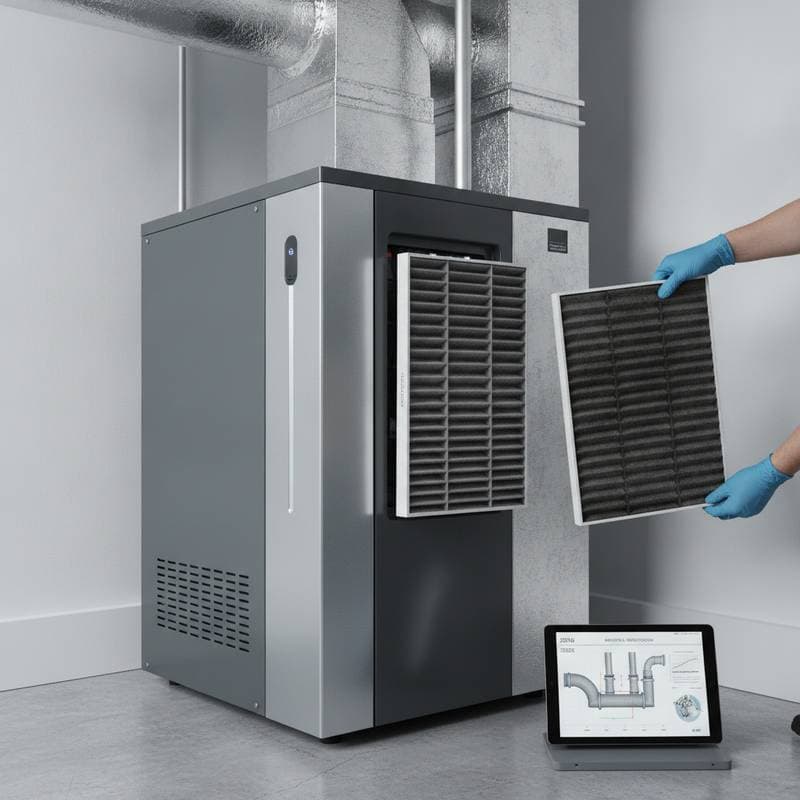
Tankless models require descaling in hard water areas to prevent clogs in heat exchangers. Professional servicing every 12 months maintains flow and efficiency, extending life to 20 years or more.
Both benefit from water softeners in mineral-rich regions. Tankless longevity often justifies the maintenance effort for long-term owners.
Impact on the Environment
Tankless systems lower emissions by minimizing fuel or electricity needs. Over a decade, they reduce carbon output equivalent to driving 1,000 fewer miles annually per household.
Tanks consume more energy but integrate well with solar panels or efficient gas setups. Pipe insulation cuts losses by up to 10 percent, supporting greener operations.
Sustainability-minded homeowners favor tankless for alignment with reduced-energy lifestyles.
Monthly Utility Bill Analysis
Operational costs hinge on fuel type and rates. Gas heaters, tank or tankless, operate cheaper than electric counterparts in most areas, with tankless gas units achieving up to 99 percent efficiency.
Electric tankless models suit apartments but strain circuits, elevating bills in high-rate zones. Tanks provide stable costs through consistent cycling.
Track usage with smart meters to project savings accurately.
Repair and Replacement Realities
Tank failures manifest as leaks or total shutdowns, necessitating swift full replacement at $800 to $1,200. The familiarity of the design simplifies DIY diagnostics for minor issues.
Tankless repairs involve costly components like heat exchangers, often $500 to $1,000, requiring certified technicians. Failures occur less frequently, enhancing overall reliability.
Warranties cover 10 to 15 years for tanks and 15 to 20 for tankless, influencing total ownership costs.
Calculating Lifetime Ownership Costs
Assess total expenses including acquisition, setup, repairs, and energy over 10 to 20 years. A tank system totals $3,000 to $5,000, driven by frequent replacements and higher utilities.
Tankless averages $4,000 to $7,000 but recoups via 30 percent lower energy and doubled lifespan. High-usage homes achieve breakeven in 5 to 7 years.
Use online calculators with local rates for personalized projections.
Professional Advice and Real-World Examples
Plumbers recommend auditing hot water patterns first. One expert from a service network observes that tankless appeals for endless supply and wall-mounted space savings in compact homes.
Forum anecdotes vary: a family of five recouped costs in eight years through efficiency, while a single occupant found tank simplicity more practical.
Tailor choices to lifestyle for maximum satisfaction.
Steps to Select and Install Your System
Weigh budget against benefits before committing. Obtain multiple quotes from certified installers to compare.
- Assess peak hot water needs by listing simultaneous uses.
- Investigate rebates for efficient models via utility providers.
- Review manufacturer specs for flow rates and warranties.
- Plan for professional installation to meet codes.
These actions secure a system that enhances comfort without surprises.
Optimizing System Performance Long-Term
Routine care maximizes any water heater's value. Flush tanks yearly with a garden hose to expel debris. Descaling tankless units involves circulating a vinegar mix or hiring experts.
Monitor for efficiency drops, like slower heating, and address promptly. This approach sustains savings and reliability for years.
A well-chosen, maintained water heater delivers seamless hot water while controlling costs effectively.