Understanding Greywater Systems
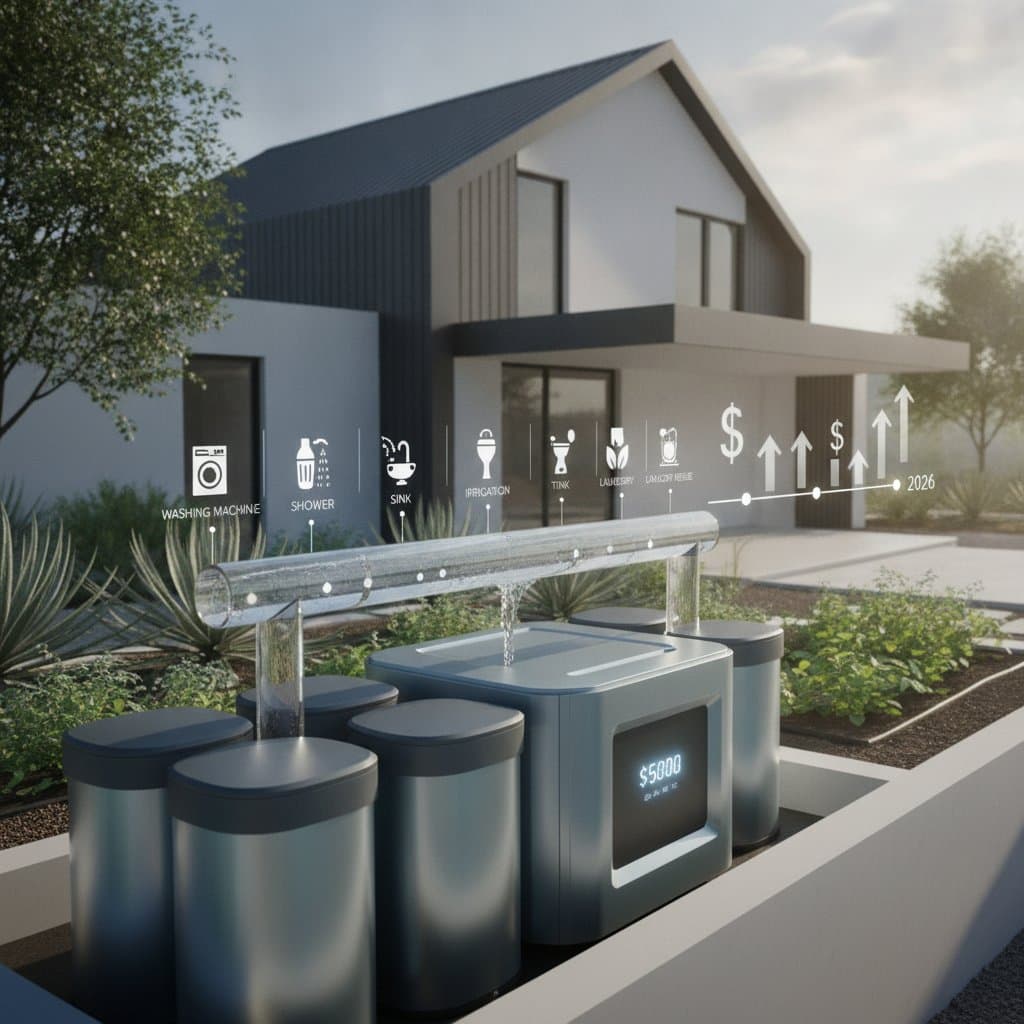
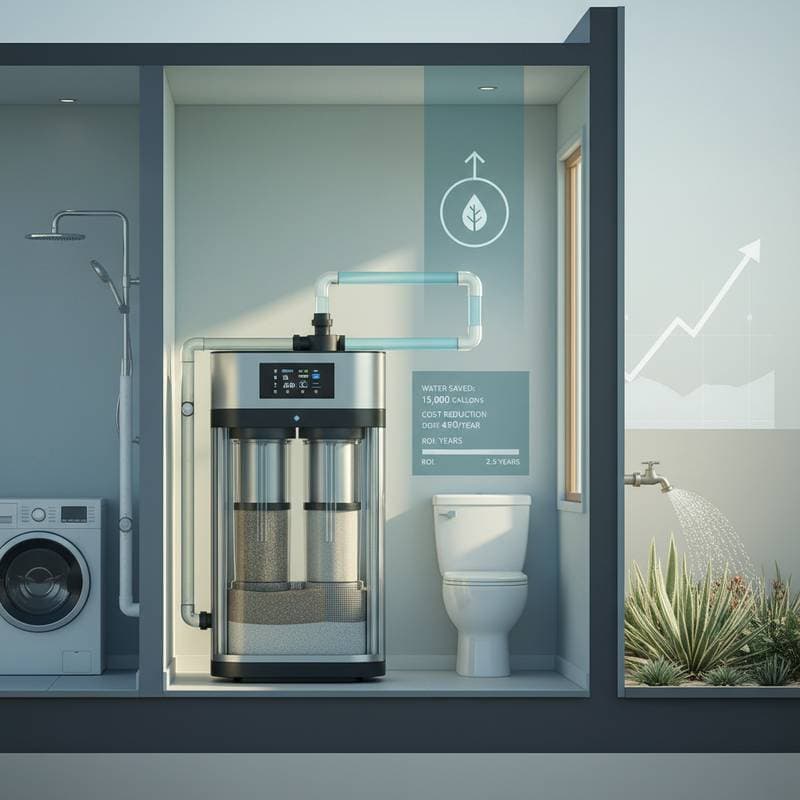
Greywater refers to wastewater from sinks, showers, bathtubs, and washing machines, excluding toilet flush water. These systems collect and treat this mildly contaminated water for reuse, primarily in irrigation or toilet flushing. By diverting greywater from sewers, households can significantly reduce fresh water consumption and lower utility bills.
In 2026, advancements in filtration and pumping technology make greywater systems more accessible and efficient. Simple setups redirect laundry water to gardens, while complex systems treat water for indoor reuse. The average household uses 50 to 100 gallons of greywater daily, offering substantial recycling potential.
Key Factors in System Design
Selecting the right greywater system requires careful consideration of several elements to ensure effectiveness and compliance.
- Water Sources: Focus on laundry and shower water, as these produce the least contaminated greywater. Kitchen sink water often contains grease and food particles, making it unsuitable without advanced treatment.
- Intended Applications: Use untreated greywater for subsurface irrigation to avoid human contact. For toilet flushing, incorporate basic filtration to remove solids and pathogens.
- Local Regulations: Check municipal codes, as many regions require permits for greywater diversion. Some areas prohibit surface application to prevent contamination risks.
- Site Conditions: Evaluate soil type and slope for gravity-fed systems, which rely on natural drainage. Sandy soils absorb water quickly, while clay may need mulch basins to prevent pooling.
- Regional Climate: In arid areas, design for minimal evaporation with covered storage. Humid climates allow more frequent use but demand vigilant pathogen control.
Consult a licensed plumber specializing in sustainable water solutions to assess your property. Reputable brands such as Aquastrom and EcoCycle provide scalable kits, from basic diverters starting at $200 to full treatment units exceeding $5,000.
Costs, Savings, and Return on Investment
Initial costs for greywater systems vary by scale and complexity. A basic laundry-to-landscape diverter costs $300 to $800, including parts and basic installation. Mid-range systems with surge tanks and filters range from $2,000 to $6,000, while comprehensive whole-home setups can reach $10,000 or more, often qualifying for rebates up to 50 percent in water-scarce regions.
Savings accrue through reduced water bills and potential incentives. An average family might save 30 to 50 percent on outdoor water use, translating to $200 to $500 annually depending on local rates. Payback periods typically span 3 to 7 years, accelerated by utility rebates and rising water prices projected for 2026.
Long-term ROI extends beyond finances. Increased home efficiency can boost resale value by 2 to 5 percent in eco-conscious markets. Track savings with a simple spreadsheet, noting monthly bills before and after installation.
Environmental and Community Benefits
Greywater systems play a vital role in water conservation by reusing 20 to 40 percent of household wastewater. This reduces demand on municipal supplies, easing pressure during droughts and preserving aquifers for future generations.
On a broader scale, widespread adoption cuts energy use in water treatment plants, lowering greenhouse gas emissions. Communities benefit from reduced sewer overflow risks and enhanced biodiversity in irrigated landscapes. Public utilities in California and Australia report annual savings of billions of gallons through such initiatives.
Your installation contributes to collective resilience. Pair it with rainwater harvesting for a comprehensive water management strategy that aligns with global sustainability targets.
Ensuring Safety in Greywater Use
Proper handling minimizes health risks associated with greywater. Select plant-based, non-toxic cleaners free from bleach, sodium, or boron to safeguard soil and vegetation. Limit storage to 24 hours in shaded tanks to curb bacterial proliferation.
Incorporate essential safeguards like backflow preventers and air gaps to isolate greywater from potable supplies. Maintain a 100-foot buffer from wells and avoid applying near edible crops to prevent uptake of contaminants.
Hire certified professionals who adhere to standards from organizations like the International Plumbing Code. Regular testing of water quality, every six months, confirms system integrity and protects users.
Maintenance for Longevity
A well-maintained greywater system operates efficiently for 15 to 20 years. Create a maintenance log detailing filter replacements, tank cleanings, and pump inspections, scheduled quarterly for basic systems and monthly for advanced ones.
Stock essential parts such as screens and UV bulbs, costing under $100 annually. Integrate IoT sensors to monitor flow rates and alert for clogs or leaks via smartphone apps.
When preparing to sell, compile documentation including installation records and energy savings reports. This appeals to buyers seeking green certifications, potentially increasing offers by highlighting verified sustainability.
Steps to Install Your System
Begin by auditing your water usage with a home meter to identify recycling opportunities. Research incentives through local water districts, which may cover up to $1,000 in costs.
Obtain necessary permits and select a system matching your budget and needs. For DIY projects, follow manufacturer guides for simple diverters; complex setups demand expert oversight to avoid code violations.
Post-installation, monitor performance for the first season, adjusting irrigation zones as needed. This proactive approach ensures optimal function and maximizes returns on your sustainable investment.
Realizing Lasting Value
A greywater system delivers ongoing financial relief, environmental stewardship, and home enhancement. It transforms routine wastewater into a productive asset, fostering self-sufficiency in an era of water scarcity. Commit to this upgrade to secure savings, support community conservation, and elevate your living space with forward-thinking design.