Planning a Fall Chimney Inspection? Expect These Costs
A chimney keeps your home warm and safe when used correctly, yet it needs steady care to stay that way. Fall is an ideal time to schedule an inspection before cold weather arrives. Knowing what costs to expect helps you plan your budget and avoid surprises.
This guide breaks down inspection types, price ranges, and ways to save while keeping your fireplace in top shape.
Types of Chimney Inspections
Chimney inspections come in three main levels, each with a different cost and purpose.
-
Level 1 Inspection
This basic check suits chimneys used regularly without major changes. The technician examines visible parts of the fireplace, flue, and chimney exterior. They rely on flashlights and basic tools to identify soot buildup or minor cracks. This option remains the most affordable and usually meets annual maintenance needs. -
Level 2 Inspection
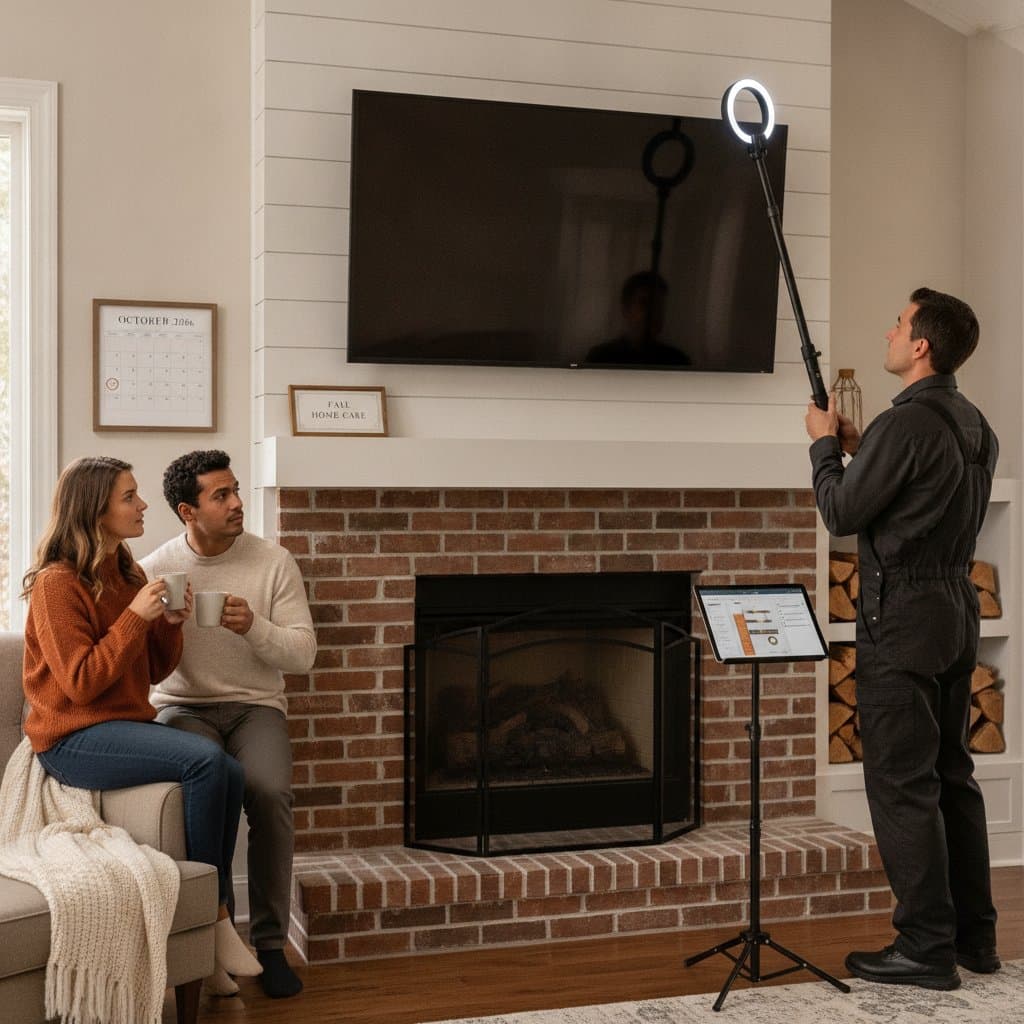
This level adds a more detailed review. It includes video scanning of internal surfaces and checks hidden chimney sections. Home sales, post-storm assessments, or fuel type changes often require this inspection. Cameras reveal structural damage or blockages missed during a Level 1 visit. -
Level 3 Inspection
This most intensive and costly type requires partial removal of walls or chimney sections to inspect hidden damage. Serious safety concerns such as suspected fire damage or leaning structures trigger this step. Though rare, it confirms full safety before major repairs or rebuilds begin.
Factors That Affect Price
Several details can raise or lower inspection costs. Chimney height and design influence time and safety gear requirements. Steep or slippery roofs may need extra safety measures. Heavy soot or prior damage slows the inspection process. Urban areas often carry higher labor costs than rural regions. Some companies bundle cleaning or minor repairs into the same visit.
Obtain quotes from at least two certified chimney technicians to confirm fair pricing. Request clear itemized estimates to avoid hidden fees.
Benefits of Scheduling in Fall
Booking before heavy fireplace use brings several advantages. Technicians often maintain more flexible schedules early in the season. Some companies provide seasonal discounts to encourage early bookings. Small cracks or leaks receive attention before freezing weather worsens them. Knowing the chimney meets safety standards allows enjoyment of fires without concern.
A clean and well-inspected chimney can also improve heating efficiency. Smoke flows more smoothly, and the fireplace burns fuel more completely.
Common Questions from Homeowners
How often should I inspect my chimney?
Once a year is recommended, even if the fireplace sees rare use. Weather and time can still cause damage.
Do I need to clean the chimney every time it is inspected?
Not always. Cleaning occurs only when the technician identifies heavy soot or creosote buildup.
Can I inspect it myself?
Visible soot or debris checks remain possible for homeowners. Only trained professionals can safely assess internal parts and structural integrity.
What if I skip the inspection?
Skipping inspections risks hidden damage, smoke leaks, or chimney fires. Small issues may grow into expensive repairs later.
Ongoing Chimney Care
A well-maintained chimney adds comfort, safety, and lasting value to your home. Keep inspection reports, follow repair advice, and schedule the next visit before cold weather returns. Reliable upkeep prevents emergencies and keeps heating costs steady.
Create a checklist with inspection dates, cleaning intervals, and repair notes. Store it with home maintenance records. Consistent tracking helps you stay ahead of problems.