When and Why Homeowners Need Sewer Line Inspections
Many homeowners rarely consider their sewer line until a problem surfaces. This buried system carries wastewater away from sinks, toilets, and drains. It keeps the home sanitary and functional. A damaged or blocked sewer line leads to expensive repairs, unpleasant odors, and health hazards. Regular inspections identify issues before they become emergencies.
Key Reasons to Schedule a Sewer Line Inspection
Before Buying a Home
A sewer line inspection provides critical information before purchasing a property. Standard home inspections skip underground plumbing. Serious issues can remain hidden. A cracked or collapsed line costs more than ten thousand dollars to replace. A camera inspection during the buying process allows negotiation for repairs or price adjustments. Real estate professionals recommend this for homes over ten years old or those with large trees nearby.
Slow Drains or Repeated Backups
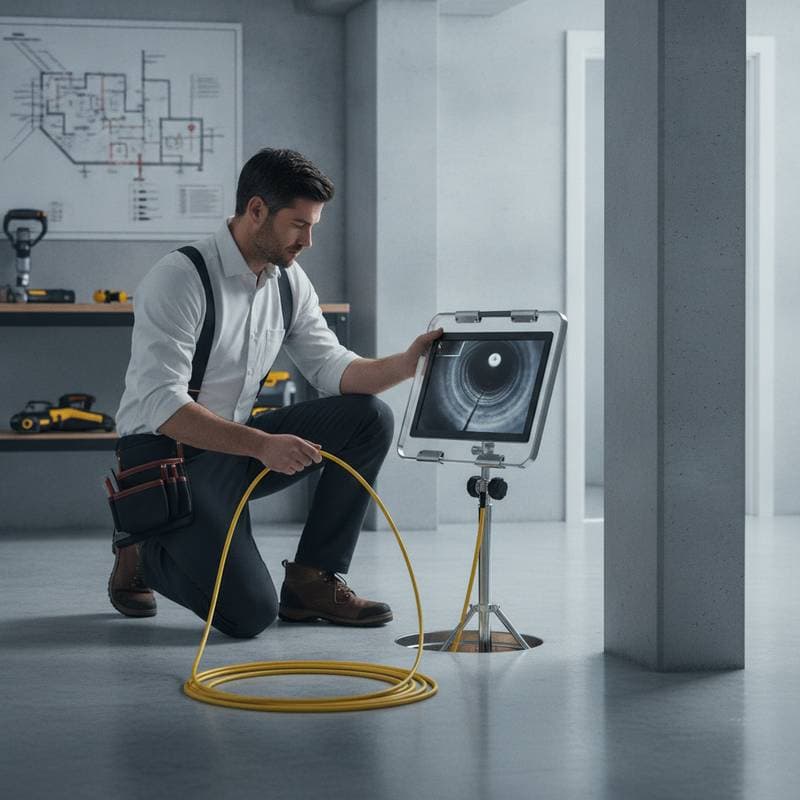
Multiple slow drains or frequent toilet backups often point beyond indoor plumbing. These symptoms signal a partial blockage or sag in the main sewer line. Chemical drain cleaners address only minor clogs. A video inspection pinpoints the exact location and cause, whether grease buildup, roots, or a collapsed section.
Unusual Odors or Wet Spots in the Yard
Persistent sewage smells inside or outside the home indicate leaks or breaks in the sewer line. Wet or sunken yard patches without recent rain suggest wastewater seeping into the soil. These signs require immediate inspection to avoid environmental contamination and foundation damage. A camera inspection confirms the source before any excavation begins.
Aging or Original Plumbing Systems
Older homes often have sewer lines made of clay, cast iron, or Orangeburg pipe. These materials deteriorate faster than modern PVC. Clay joints shift, cast iron corrodes, and Orangeburg softens over time. Homes with original sewer material benefit from inspections every few years to identify weak spots early.
Tree Roots Near Sewer Lines
Tree roots rank among the most common causes of sewer line blockages. Roots seek moisture and nutrients and enter through small pipe cracks. Once inside, they trap debris and cause backups. Homes with large trees near the sewer path should schedule periodic inspections even without symptoms. A plumber can identify root intrusion before it creates a complete blockage.
After Major Plumbing Work or Landscaping
Heavy digging, foundation repair, or major plumbing projects can shift soil and affect underground lines. Recent yard grading, new driveways, or water line replacements warrant a check that the sewer line remains intact. A quick camera inspection confirms continued proper function.
Benefits of Preventive Sewer Inspections
Early Detection Saves Money
Repair costs escalate quickly once a sewer line fails. A minor root intrusion might cost a few hundred dollars to clear. Replacing a collapsed section can reach several thousand dollars. Early detection prevents emergencies that require digging up driveways or landscaping. A preventive inspection identifies issues when they remain affordable to fix.
Avoids Health Hazards
Leaking sewer lines release bacteria and harmful gases into the home or yard. These contaminants affect air quality and can cause illness. A camera inspection locates leaks before they become widespread. Keeping the line sealed protects both the household and surrounding soil.
Protects Property Value
A well maintained sewer system adds to a property reliability and resale value. Buyers gain confidence from inspection records showing the line is clear and in good condition. This practice also prevents last minute surprises during real estate transactions that could delay closing or lower the sale price.
Supports Sustainable Maintenance
Preventive inspections reduce waste by avoiding unnecessary excavation. Plumbers perform accurate spot repairs instead of guessing problem locations. This approach saves resources and limits disruption to landscaping or paved surfaces.
How Often to Schedule Inspections
Inspection frequency depends on the age and condition of the plumbing system. Newer PVC lines without nearby trees usually need checks every five years. Older systems with clay or cast iron pipes require inspection every two to three years. Homes with mature trees or a history of backups may need annual inspections.
Some homeowners pair sewer inspections with other plumbing maintenance such as water heater servicing or drain cleaning. This routine approach keeps the entire system healthy and prevents unexpected disruptions.
Common Misconceptions About Sewer Line Inspections
Many homeowners assume sewer issues are rare or easy to spot. In reality most sewer line failures develop slowly. A small crack or offset joint can go unnoticed for months. By the time sewage backs up, damage is already extensive.
Another misconception holds that insurance covers sewer line replacement. Most policies exclude it unless a specific rider is added. Regular inspections and maintenance serve as the best defense against unexpected costs. Homeowners who invest in preventive care often spend less over the lifetime of their plumbing system.
Scheduling Your Next Inspection
A functioning sewer line protects both property and health. Regular inspections prevent costly surprises and extend plumbing system life. Whether buying a new home, noticing slow drains, or maintaining an older property, a camera inspection offers clear insight into hidden plumbing sections. This step provides peace of mind that everything flows as it should.