Why Schedule a Fall Chimney Inspection
A chimney inspection ranks among the most effective safety measures a homeowner can complete before heating season starts. It maintains clean indoor air, averts expensive structural damage, and reduces fire risks. Many property owners postpone this step until visible problems arise, yet one thorough check in autumn frequently prevents hundreds of dollars in later repairs.
Reasons Chimney Inspections Hold Value
Every fireplace or stove sends smoke, combustion gases, and moisture through the chimney. Soot, creosote, and debris accumulate inside the flue over repeated uses. These deposits restrict airflow and create ignition hazards. A certified professional identifies such conditions before they escalate. Inspections also uncover hidden cracks, leaks, and loose masonry that remain invisible from ground level.
Annual evaluations improve heating efficiency. A clear flue allows fuel to burn more completely, which lowers energy consumption and limits indoor smoke. Homeowners who maintain consistent service schedules encounter fewer emergency calls and extend the service life of their fireplaces.
Inspection Process and Levels
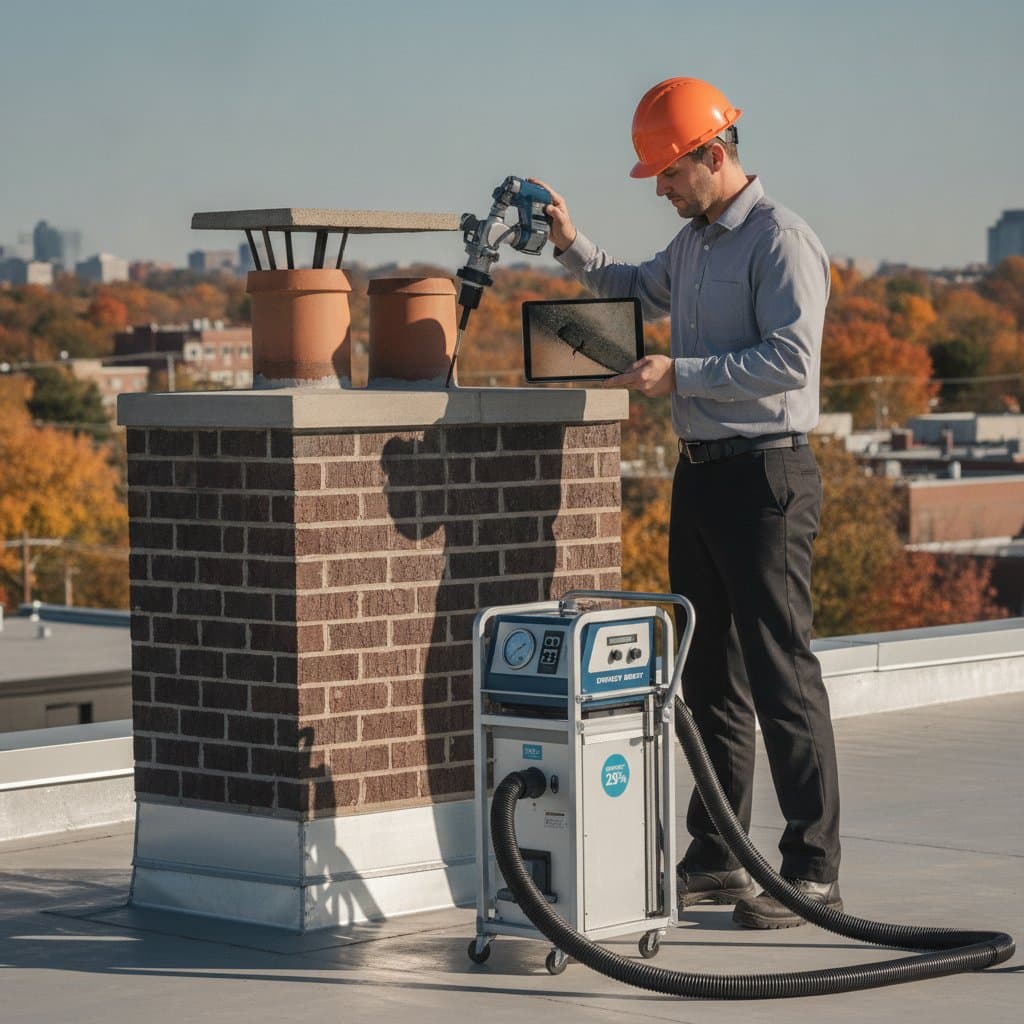
Technicians begin with a visual examination of both interior and exterior surfaces. They note soot accumulation, mortar deterioration, and moisture stains. Video cameras often provide a full view of the flue lining.
Three standardized inspection levels exist:
- Level 1 covers a basic visual review for unchanged heating systems.
- Level 2 adds video or other diagnostic tools and applies after a chimney fire or system modifications.
- Level 3 requires partial disassembly to assess structural integrity when major damage appears likely.
Most autumn visits fall into Level 1 or Level 2 categories. Level 3 work occurs only when clear evidence of severe problems exists.
Cost Factors for Fall Inspections
Prices typically range from a base inspection fee to higher amounts for detailed evaluations. Several variables affect the final charge:
- Wood-burning appliances generally require more time because of creosote removal.
- Tall or steeply pitched roofs increase labor and safety equipment needs.
- Existing heavy deposits or visible damage may trigger additional cleaning or repair fees.
- Local labor rates vary by region and technician availability.
Bundled inspection and cleaning packages deliver strong value. Many companies extend seasonal pricing before peak winter demand begins.
Issues Commonly Identified
Professionals frequently locate conditions that worsen without prompt attention. Typical findings include cracked flue tiles, missing chimney caps, damaged roof flashing, blocked flues from nesting, and creosote layers exceeding one-eighth inch. Each defect reduces draft and raises fire probability. Early correction protects both safety and heating performance.
Post-Inspection Maintenance Practices
Homeowners can protect their systems through the winter with these steps:
- Burn only dry, seasoned wood to limit creosote formation.
- Keep the damper open during use to support proper airflow.
- Fit a chimney cap to block rain, debris, and animals.
- Test smoke and carbon monoxide detectors regularly.
- Arrange cleaning when the inspector recommends it based on deposit thickness.
Avoid chemical cleaners or improvised methods that may harm liners or cancel warranties.
Advantages of Professional Service
Certified sweeps possess specialized equipment and training that reveal subtle defects. Their reports supply documentation useful for insurance claims or property transactions. Properties that receive regular professional attention experience substantially fewer chimney fires.
Next Steps for Homeowners
Contact certified technicians early in the season through established local directories. Request certification credentials, itemized estimates, and recent references. Retain the final report and images for future reference and trend tracking. Consistent attention converts a single autumn visit into lasting home protection.