2026 Bathroom Vent Upgrade: Mold Prevention ROI
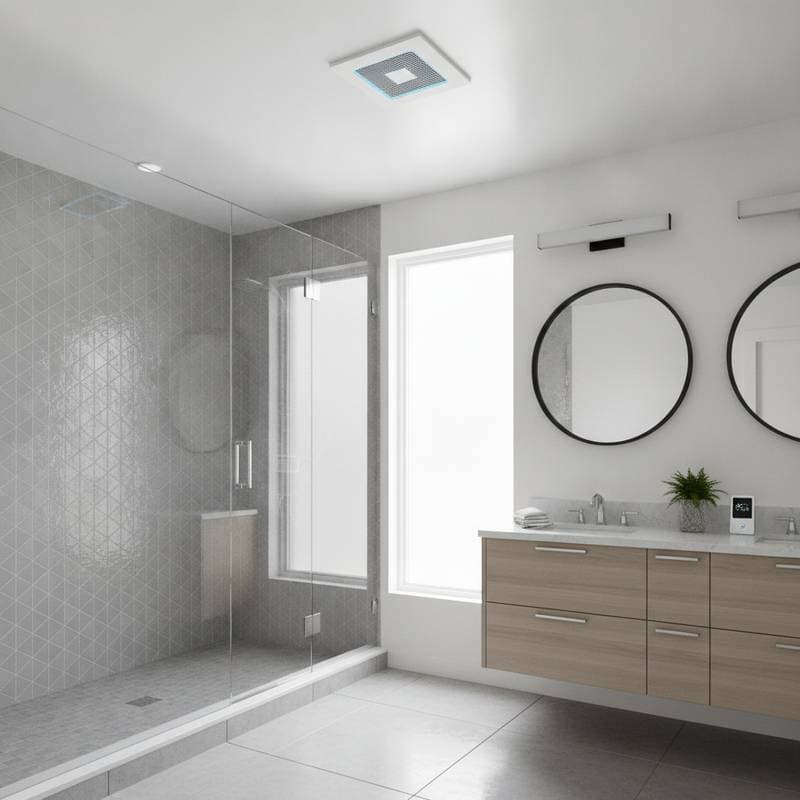
A bathroom vent upgrade ranks among the most cost effective measures for shielding a home from mold and maintaining healthy indoor air. Homeowners frequently underestimate how this compact system manages humidity during every shower. Lingering moisture promotes mold colonies, damages paint films, and reduces the service life of drywall along with framing members. Modern ventilation equipment halts these processes at the source and avoids thousands of dollars in future repairs.
This guide outlines the planning steps for a bathroom vent upgrade, typical costs, priority features, and methods for quantifying returns through avoided mold damage and reduced energy consumption.
Indicators That Ventilation Requires Replacement
Many households discover inadequate performance only after visible deterioration appears. Monitor the following conditions to intervene early:
- Mirrors remain clouded well after the fan has operated.
- Musty odors persist near corners and sealant joints.
- Paint peels or wallpaper blisters on walls and ceilings.
- Mold colonies appear along grout, vent covers, or ceiling perimeters.
- Fan operation produces rattling noises or weak airflow.
- Discoloration shows on ceilings beneath the bathroom, indicating hidden condensation.
Prompt action prevents accelerated mold spread and structural compromise.
Quantifying Returns From Mold Prevention
Professional mold remediation in bathrooms ranges from several hundred to several thousand dollars once growth penetrates structural materials. A properly sized ventilation unit functions as preventive insurance by maintaining humidity below the threshold for microbial growth.
Sample Financial Projection
- Installation cost averages 500 dollars for a mid tier humidity sensing unit.
- Projected savings reach 2000 dollars in avoided remediation and surface restoration over ten years.
- Energy performance improves by as much as 15 percent relative to legacy fans.
These figures translate into favorable returns when added home value and inspector concerns are considered. Poor ventilation frequently appears on inspection reports and can reduce buyer confidence.
Installation Choices: Owner Performed or Contractor Led
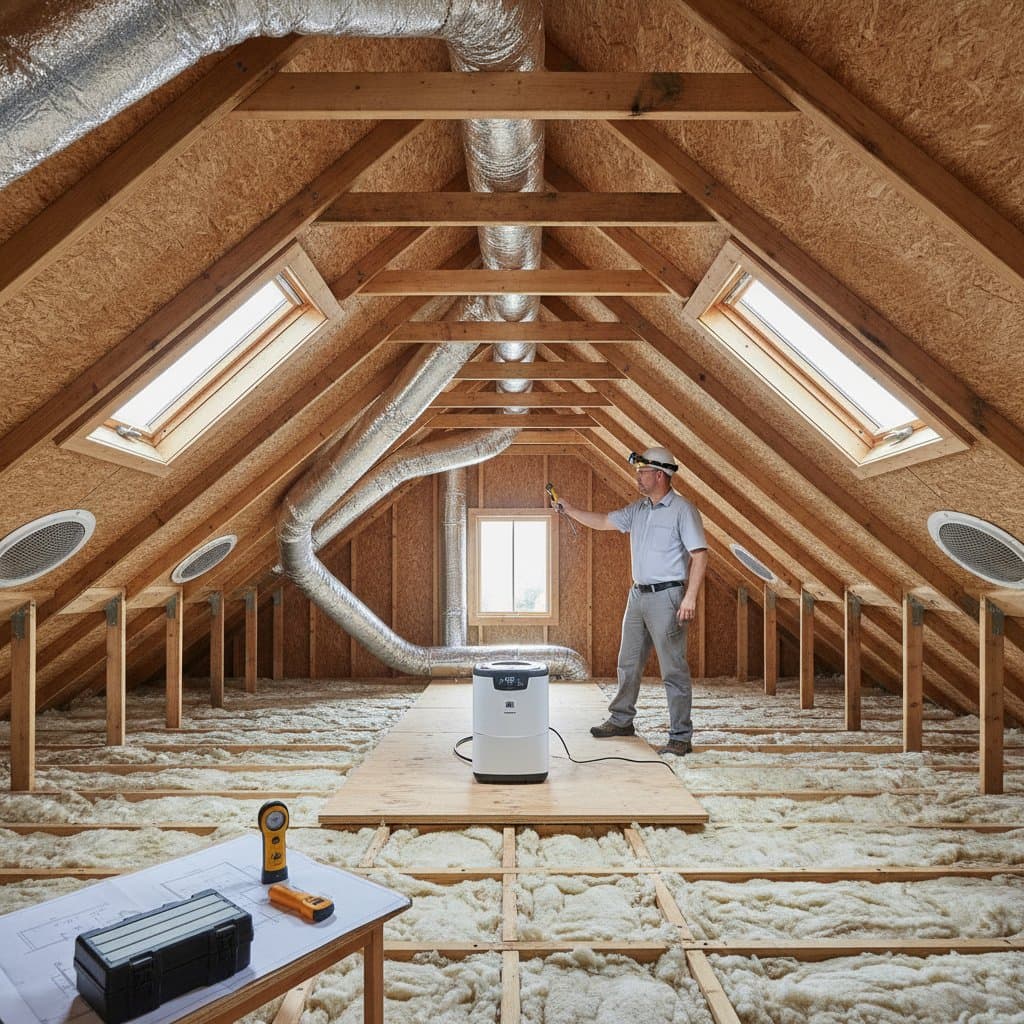
Basic fan swaps suit individuals experienced with electrical connections and attic work. More extensive duct modifications or new circuit runs warrant licensed assistance.
Owner Performed Replacement
Prepare by confirming power isolation, detaching the existing housing, anchoring the new unit, completing wiring terminations, and sealing all joints. The primary hazard lies in incomplete sealing that allows moist air to escape into attic spaces.
Contractor Performed Replacement
Licensed electricians or HVAC technicians verify correct airflow capacity, create airtight duct paths, and satisfy applicable codes. Their involvement reduces condensation risk through optimized routing.
Higher upfront expense yields documented workmanship and warranty coverage. Multi story homes or complex layouts benefit most from professional execution.
Installation Errors That Undermine Performance
New equipment fails when sizing, routing, or upkeep practices fall short. Prevent these issues:
- Selecting a fan with insufficient cubic feet per minute capacity.
- Installing extended or pinched duct runs that trap condensate.
- Terminating exhaust indoors rather than through an exterior wall or roof.
- Allowing dust accumulation on intake grilles and impeller surfaces.
- Using incorrect wiring methods that induce vibration or premature motor wear.
Confirm every installation exhausts directly outdoors to eliminate concealed moisture problems.
Ongoing System Care
Routine attention preserves efficiency and extends equipment life.
- Wipe intake grilles with mild detergent every quarter.
- Remove loose dust from blades with a soft vacuum brush.
- Examine duct sections yearly for blockages or separations.
- Verify sensor calibration to maintain automatic humidity response.
- Clear exterior terminations of debris or nesting material.
Clean components reduce motor load and support decade long service intervals.
Protecting Property Value
A targeted ventilation upgrade safeguards finishes, air quality, and structural integrity while lowering operating costs. Homeowners gain consistent comfort and fewer maintenance interventions regardless of project scale. Prioritizing correctly sized, properly vented equipment delivers measurable protection that persists for years.