2026 AC Filter Standards: Why Monthly Changes Matter
A clogged air filter might not seem like a big deal until your energy bill spikes, your home feels stuffy, and your HVAC system starts working overtime. As new AC filter standards tighten, homeowners are realizing that changing filters every month is not just good practice. It is becoming a necessity for healthy air, efficient operation, and long-term system protection.
Why Filter Standards Are Changing
Air quality guidelines are shifting toward stricter filtration performance. The goal is to reduce indoor pollutants that contribute to allergies, respiratory issues, and premature HVAC wear. Filters are now expected to capture finer particles, including pollen, dust, pet dander, and smoke residue, with higher Minimum Efficiency Reporting Value (MERV) ratings.
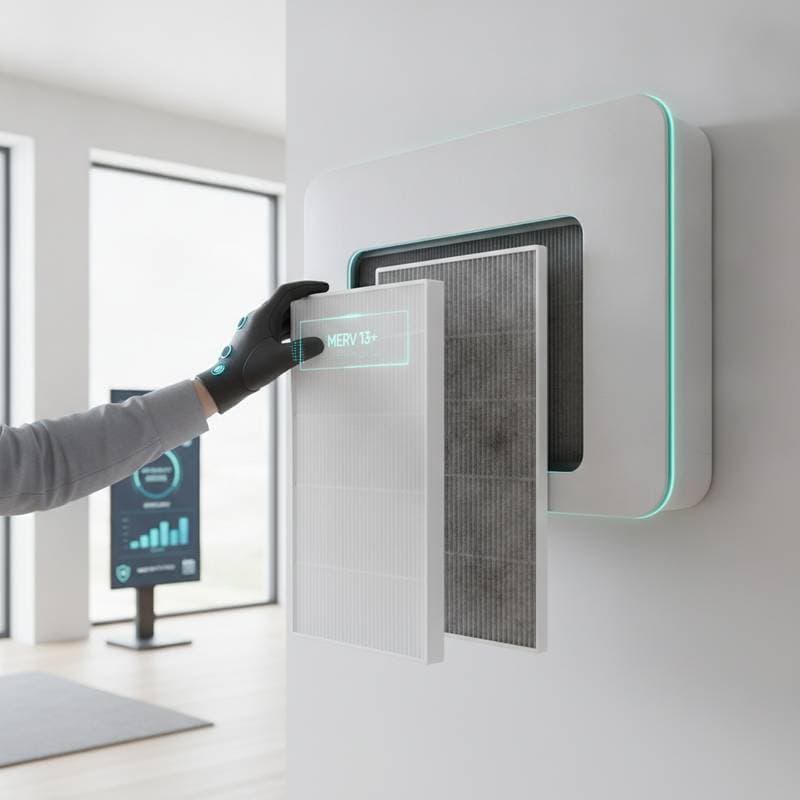
MERV 8 to 13 filters are now considered standard for most homes. A MERV 8 filter traps common household particles, while MERV 13 captures bacteria and smoke. The tighter the filtration, the faster debris builds up, which is why monthly changes are becoming a key part of the new standard.
How Often Should You Replace Your Filter
The short answer is every month. That frequency might surprise homeowners used to changing filters once a season, but it matches how modern HVAC systems and stricter standards interact. A denser filter collects more contaminants, and once airflow is restricted, efficiency drops quickly.
Here is a quick guide for typical homes:
| Home Type | Recommended Change Interval | Filter Type |
|---|---|---|
| Single-family with pets | Every 30 days | MERV 8 to 11 |
| Apartment or condo | Every 45 days | MERV 8 |
| Allergy-prone household | Every 30 days | MERV 11 to 13 |
| No pets, minimal dust | Every 60 days | MERV 8 |
These intervals are minimums. If you live in a high-pollen region or run your AC constantly, check every two to three weeks. Hold the filter up to a light source. If it blocks most of the light, it is time for a change.
What Happens When You Skip Filter Changes
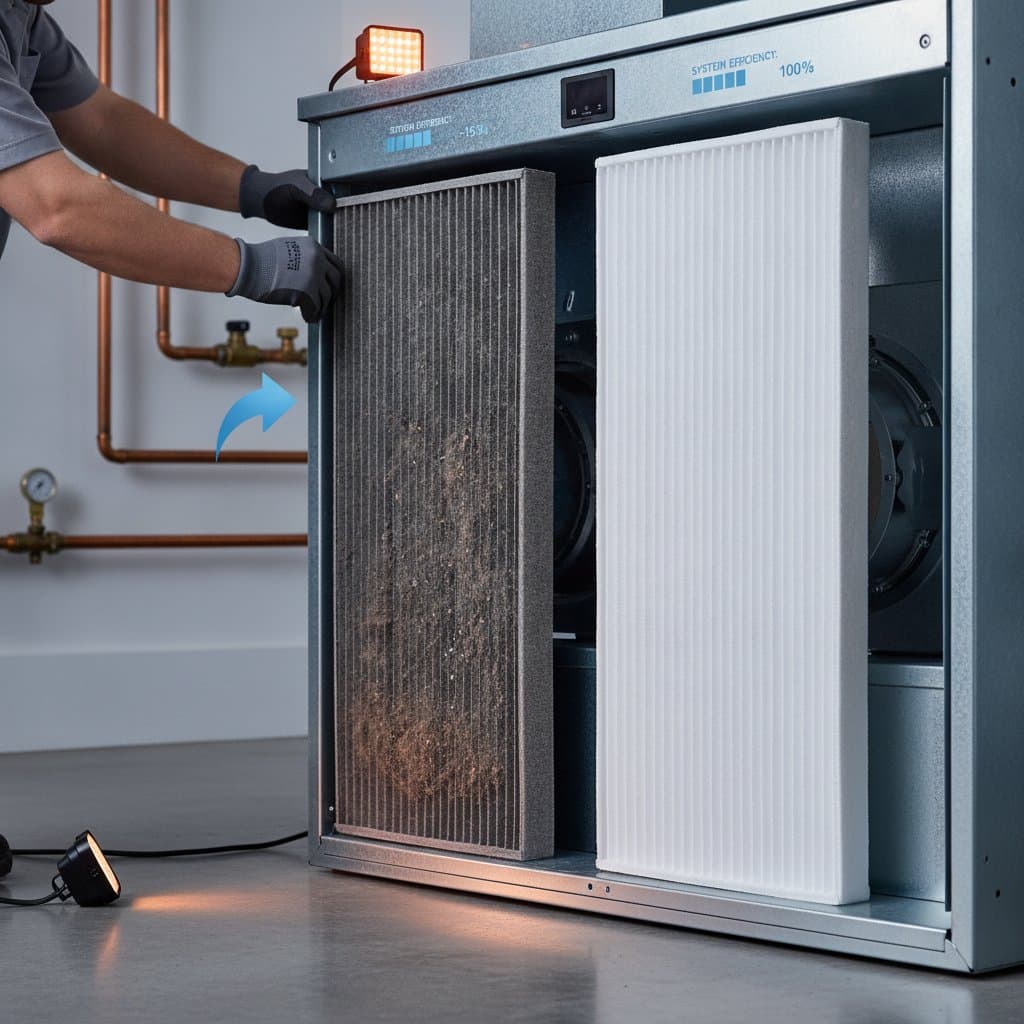
When air filters clog, the system cannot breathe. The blower fan works harder, air circulation weakens, and your home temperature balance suffers. The strain can shorten your system lifespan and increase energy use by 5 to 15 percent.
Here is what happens step by step:
- Reduced airflow. Dust buildup restricts movement through vents.
- Uneven cooling or heating. Rooms farthest from the unit feel warmer or cooler.
- Increased wear. Motors and coils overheat from poor circulation.
- Higher bills. The system runs longer to reach target temperatures.
- Contaminated air. Fine particles recirculate through ducts and into living spaces.
Ignoring these signs can lead to expensive repairs. Replacing a filter costs a few dollars, while replacing a blower motor or evaporator coil can reach hundreds or even thousands.
Tools and Supplies You Will Need
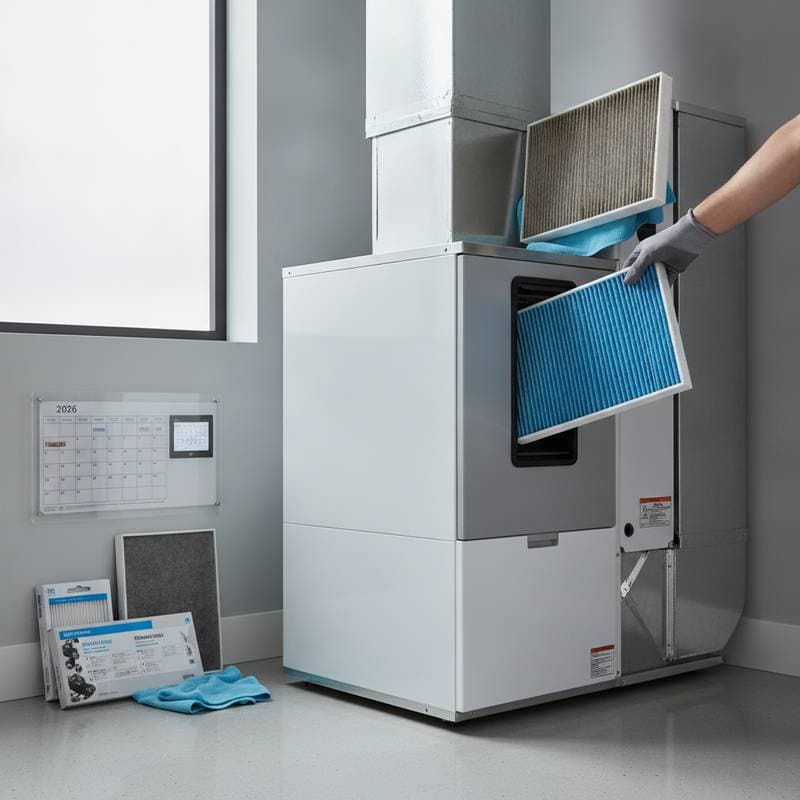
Changing an AC filter requires minimal tools but careful attention to fit and airflow direction. Gather these before starting. Use a tape measure for verifying filter dimensions. Most are 16x20 inches, 20x25 inches, or 14x30 inches. Select a replacement filter matching your system MERV rating and size. Keep a vacuum or damp cloth for cleaning the filter slot. Use a marker for writing the replacement date on the frame.
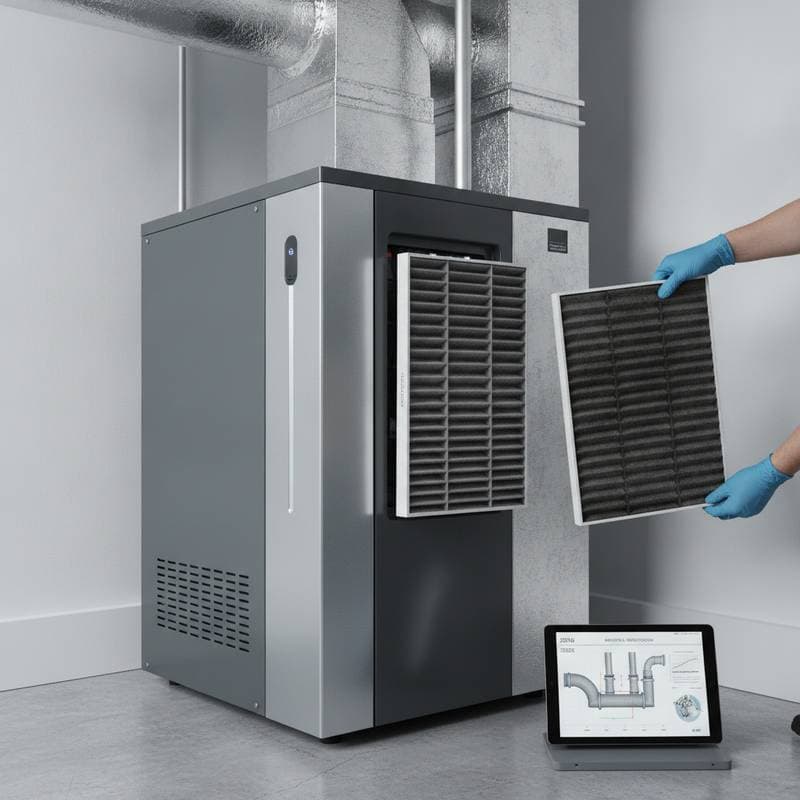
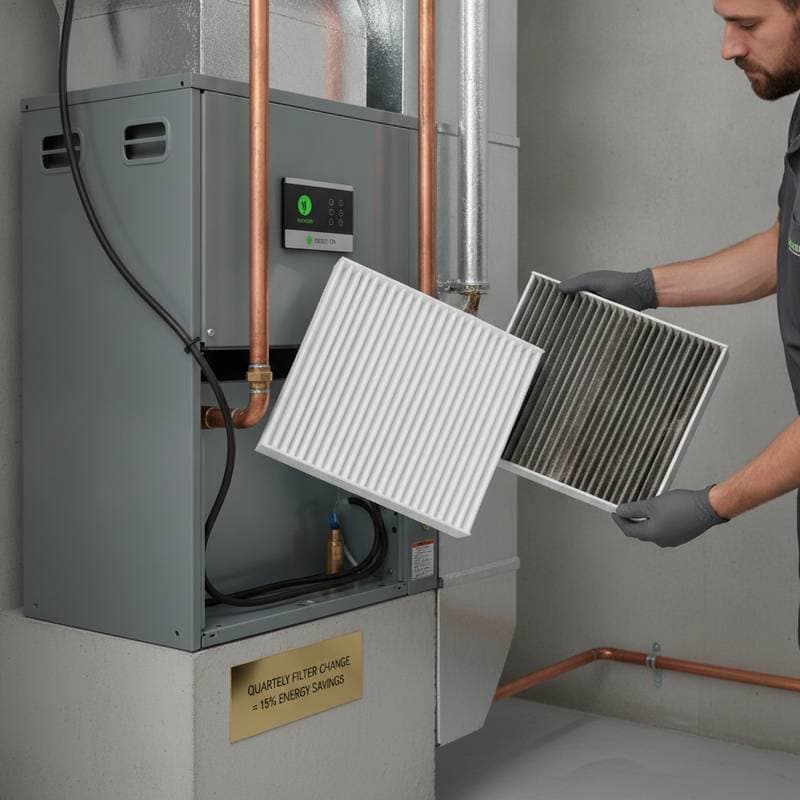
Slide the old filter out, note the arrow direction, and insert the new one snugly in the same orientation. The arrow should face toward the blower. A loose fit allows unfiltered air to bypass the filter, defeating its purpose.
Common Mistakes to Avoid
Even well-intentioned homeowners can make small errors that reduce performance. Avoid these pitfalls. Using the wrong size allows dirt to bypass the filter even with a half-inch gap. Choosing a filter that is too restrictive means high MERV filters above 13 can choke airflow in older systems. Skipping checks between replacements is risky because dust levels vary. Neglecting return vents means dirty grilles reintroduce particles even after filter changes. Forgetting to mark change dates makes it easy to lose track of your maintenance cycle.
Taking five minutes to double-check fit and airflow direction ensures the system performs as intended under the new standards.
Accessibility and Health Considerations
For anyone with allergies, asthma, or other respiratory conditions, staying ahead of filter changes can make a noticeable difference in comfort. A clean MERV 11 or 13 filter can remove more than 85 percent of airborne particles that trigger symptoms. In multi-story homes, placing an additional return vent filter on upper levels can further improve circulation and reduce hot or cold spots.
If mobility or reach is a concern, consider installing a filter grille system on a wall rather than in the ceiling. This design allows easier access and safer maintenance without ladders. An HVAC technician can retrofit this in most homes for a modest cost.
When to Call a Professional
If you notice persistent dust buildup, uneven temperatures, or a noisy blower even after regular filter changes, the problem may lie deeper in the ducts or coils. A professional HVAC inspection can identify blocked vents, leaky ducts, or undersized filters. Routine maintenance visits cost roughly 100 to 200 dollars, far less than major repair bills caused by neglect.
Set Up Your Monthly Reminder
Monthly filter changes might feel like a small chore, but under the new standards they protect your comfort, health, and wallet. Set a recurring reminder on your phone or mark a visible calendar near your thermostat. Keep a few spare filters in a dry closet so replacements are always ready.