What to Inspect on Your Chimney This Fall for Safety
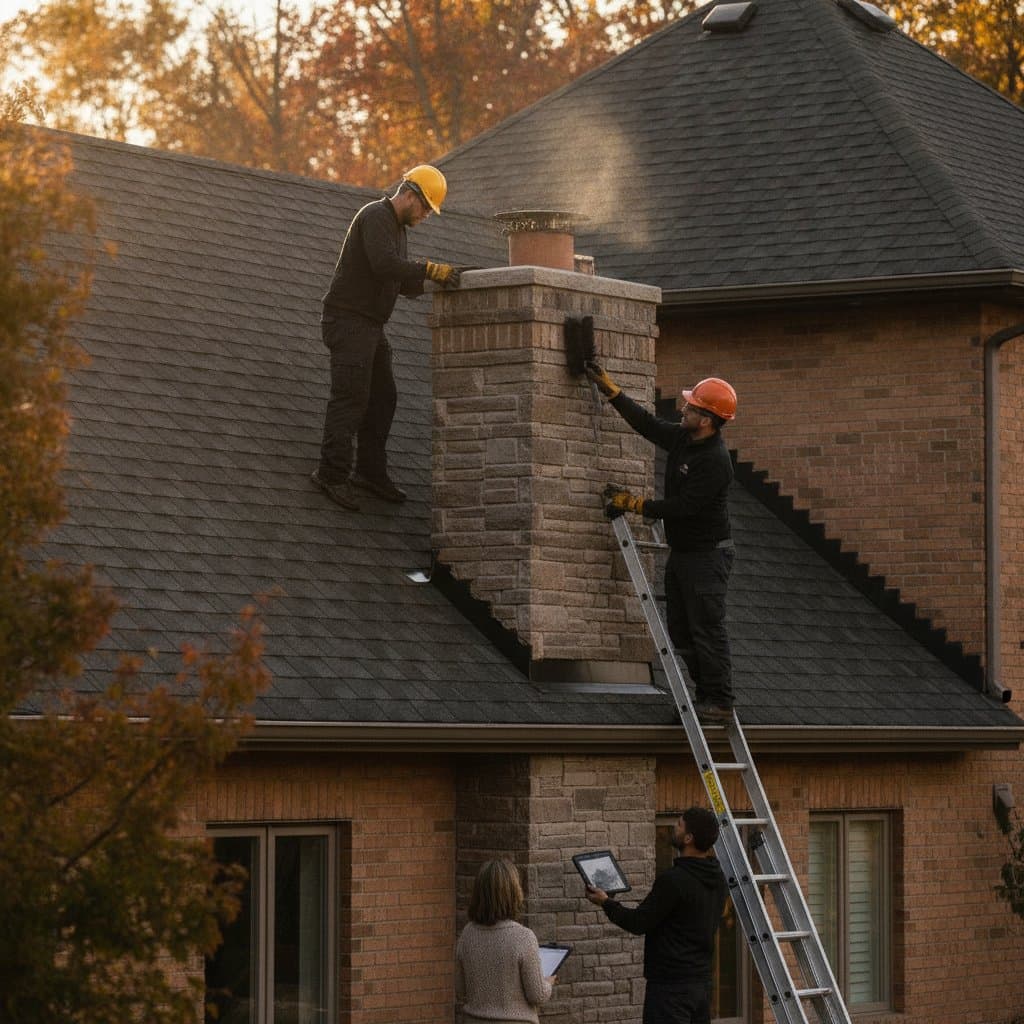
A fireplace adds warmth and charm to a home. The chimney behind it requires regular attention to function safely. As temperatures drop, homeowners prepare fireplaces for use. Fall offers the ideal window for inspections because repairs can be completed before winter arrives. A neglected chimney risks fire hazards, smoke damage, and carbon monoxide leaks.
The Three Levels of Chimney Inspection
Professional chimney sweeps follow three inspection levels. Homeowners benefit from understanding these options before scheduling service.
- Level 1 Inspection: This basic visual check suits regular fireplace users with no recent changes. It covers the flue, damper, firebox, and exterior for obstructions or buildup.
- Level 2 Inspection: This level adds a video scan of the flue interior. It is recommended after a chimney fire, during home sales, or after fuel type changes.
- Level 3 Inspection: This invasive evaluation is reserved for suspected structural damage. It may require partial wall removal to assess internal components.
Most fall preparations call for Level 1 or Level 2 service. Discuss your specific needs with the technician to select the appropriate option.
Interior Chimney and Fireplace Inspection
After exterior checks, examine internal components. Many hazards remain hidden inside the flue or firebox.
Flue Liner
The flue liner shields chimney walls from heat and corrosion. Clay tiles can crack over years of use while metal liners may rust. Small cracks reduce efficiency and raise fire risk. A video scan identifies these problems. Relining costs range from 1500 to 5000 dollars based on size and material.
Firebox
Check the firebox for loose bricks, gaps, or worn mortar. This area faces extreme heat, so minor cracks can weaken the structure. Rebuilding a damaged firebox costs between 400 and 1200 dollars yet remains essential for safe operation.
Damper
The damper regulates airflow and limits heat loss when the fireplace sits idle. Test its movement for smooth operation without rust or debris. A faulty damper allows drafts and wastes energy. Replacement costs fall between 150 and 350 dollars installed.
Creosote Buildup
Creosote forms as a flammable tar residue when wood burns incompletely. Thick shiny deposits inside the flue signal the need for professional cleaning. Standard cleaning fees range from 150 to 300 dollars depending on height and accumulation.
Signs You Should Call a Professional
Homeowners can perform basic visual checks, yet certain conditions demand expert evaluation.
- Smoke enters the room instead of rising through the flue
- Strong odors persist even when the fireplace remains unused
- White staining appears on the exterior masonry
- Tile or brick fragments fall into the firebox
- Heavy soot or creosote coats the interior surfaces
Certified sweeps provide thorough cleaning and safety assessments. Camera inspections reveal hidden damage. Seek technicians certified by the Chimney Safety Institute of America or the National Fireplace Institute.
Cost and Time Estimates for Fall Chimney Maintenance
Most inspections and cleanings finish within one or two hours. Basic service ranges from 100 to 250 dollars. Combined inspection and cleaning typically costs 200 to 400 dollars. Masonry or liner repairs increase expenses according to materials and labor.
Early fall bookings often secure lower rates before peak season. Some providers offer discounts for repeat clients or bundled services such as dryer vent cleaning.
DIY Inspection Tips for Homeowners
Major repairs belong to professionals, yet preliminary checks can be completed safely from the ground.
- Shine a flashlight upward to spot blockages or animal nests.
- Operate the damper to confirm free movement.
- Examine hearth bricks and mortar for deterioration.
- Scan nearby ceilings and walls for water stains.
- Burn only dry seasoned wood to limit creosote formation.
Wear gloves and eye protection during any inspection. Avoid roof access without proper ladder training.
Preventing Future Issues
Routine care prevents costly future repairs. Schedule professional cleaning after each heating season. Install a stainless steel cap to block debris and animals. Apply breathable waterproofing to masonry every few years. These measures extend chimney life and maintain safety.
Wood stove owners should inspect gaskets for wear. Gas fireplace users need to verify venting and pilot function before first use.
When to Upgrade or Rebuild
Older chimneys that require repeated repairs may justify replacement. Persistent leaks, leaning structures, or severe internal cracks indicate rebuilding offers better long term value. Prefabricated stainless steel or insulated metal units often provide improved efficiency and simpler upkeep.
Full rebuilds range from 4000 to 10000 dollars depending on height and materials. The investment raises property value while lowering ongoing maintenance demands.
Protecting Your Home Year Round
A clean and properly maintained chimney supports safe, efficient heating throughout winter. Consistent inspections reduce fire risk, limit energy loss, and prolong system life. Address maintenance now to enjoy reliable performance when cold weather arrives.