Radon Testing Schedule: When to Act for Safety
Indoor air quality affects family health directly. Radon enters homes through foundation cracks and remains undetectable without testing. A consistent schedule identifies risks early and supports timely action.
Understanding Radon Testing Costs
Homeowners choose between independent kits and professional services. Each option carries distinct price points and requirements.
DIY Testing Costs
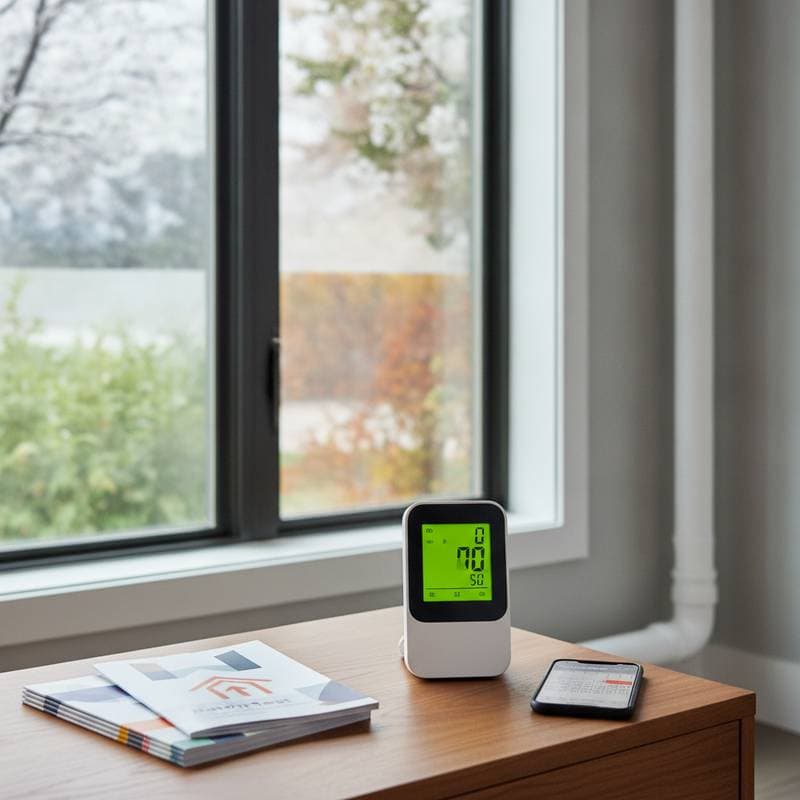
Certified kits cost between 15 and 30 dollars. Users place the detector in the lowest living area for two to seven days, then mail it to a laboratory. Results arrive within one to two weeks.
Professional Testing Costs
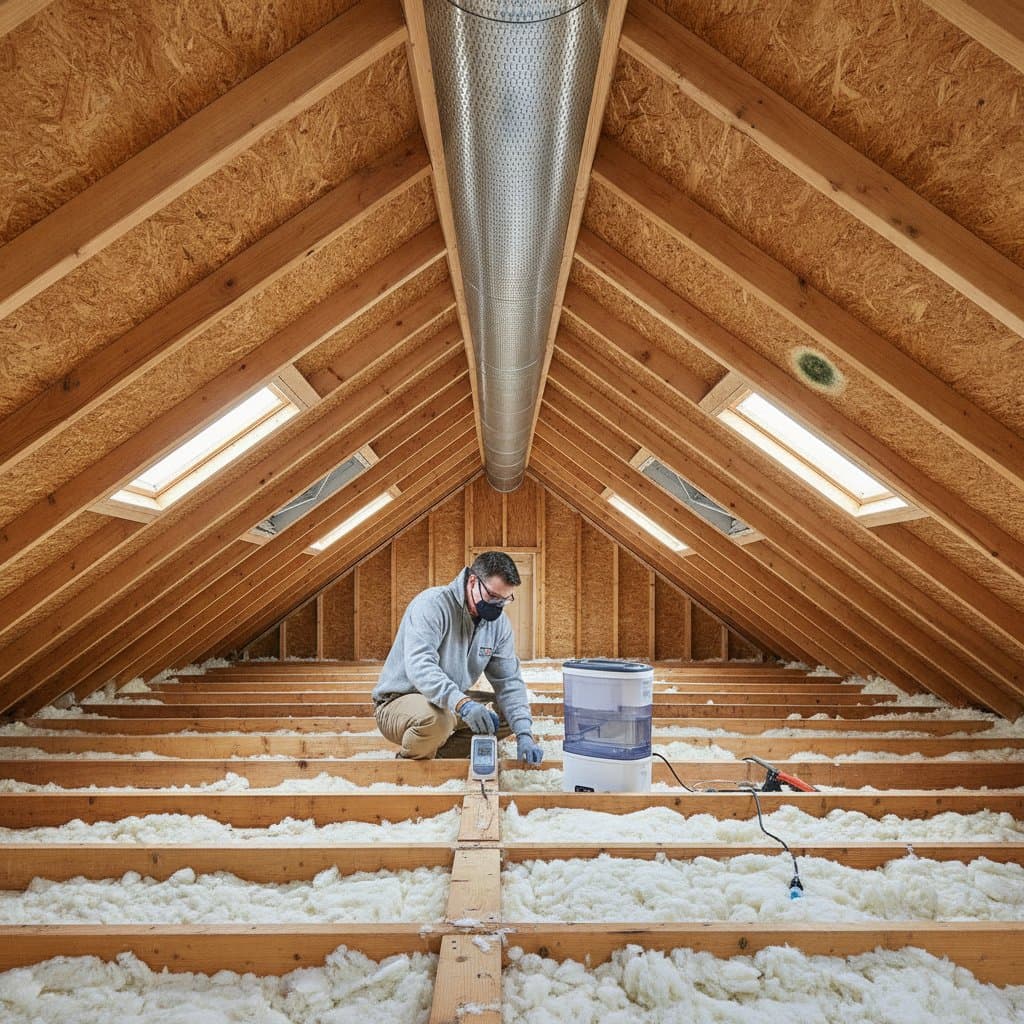
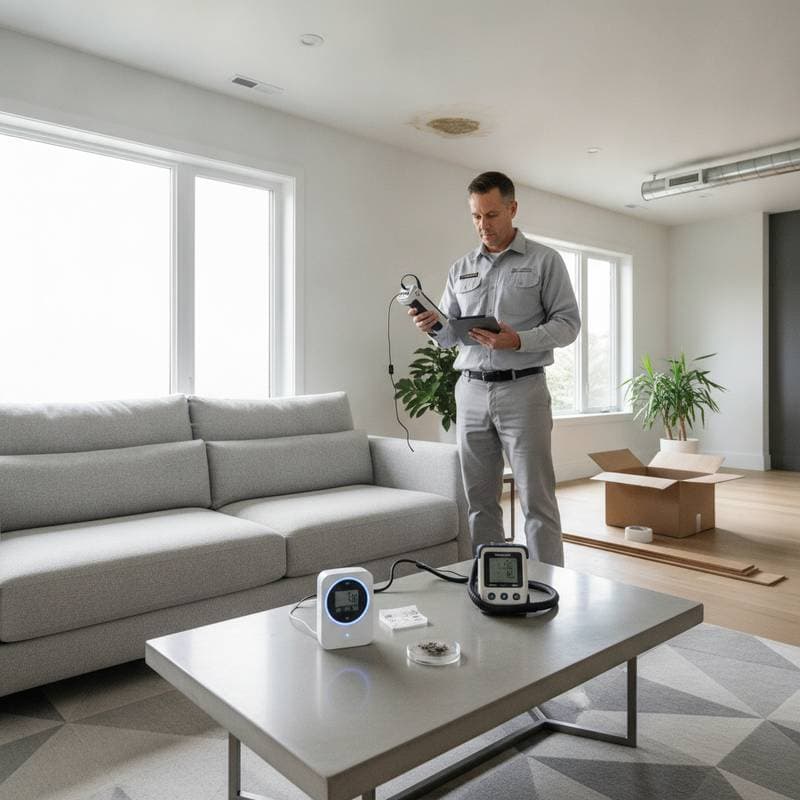
Certified technicians charge 150 to 300 dollars for a full visit. They deploy continuous monitors that record hourly variations and supply a written report with interpretations.
Factors Affecting Price
Larger homes and multiple foundation levels increase the number of required test locations. Heating season and closed windows typically produce higher readings than summer conditions with open ventilation.
DIY versus Professional Testing
Each method serves different situations.
Benefits of DIY Testing
- Low cost supports frequent routine checks
- Simple placement works for homeowners comfortable with instructions
- Results provide an initial indication before further investment
Benefits of Professional Testing
- Equipment delivers higher precision across varying conditions
- Technicians explain results and note structural contributors
- Documentation meets real estate or lender standards
Choosing the Appropriate Method
Routine monitoring after prior mitigation allows a DIY kit. Property transactions or inconsistent past readings warrant professional service.
Common Radon Questions
How often should testing occur?
Test every two years. Repeat testing after renovations, foundation repairs, or ventilation changes.
Does weather affect results?
Closed-house conditions during winter months often elevate readings. Conduct tests under normal occupancy patterns for representative data.
What radon level requires action?
The Environmental Protection Agency recommends mitigation at 4 picocuries per liter or higher. Any sustained level above 2 picocuries per liter warrants consideration of reduction measures.
Should new homes receive testing?
New construction can still admit radon. Test within the first year of occupancy regardless of builder assurances.
What follows a high reading?
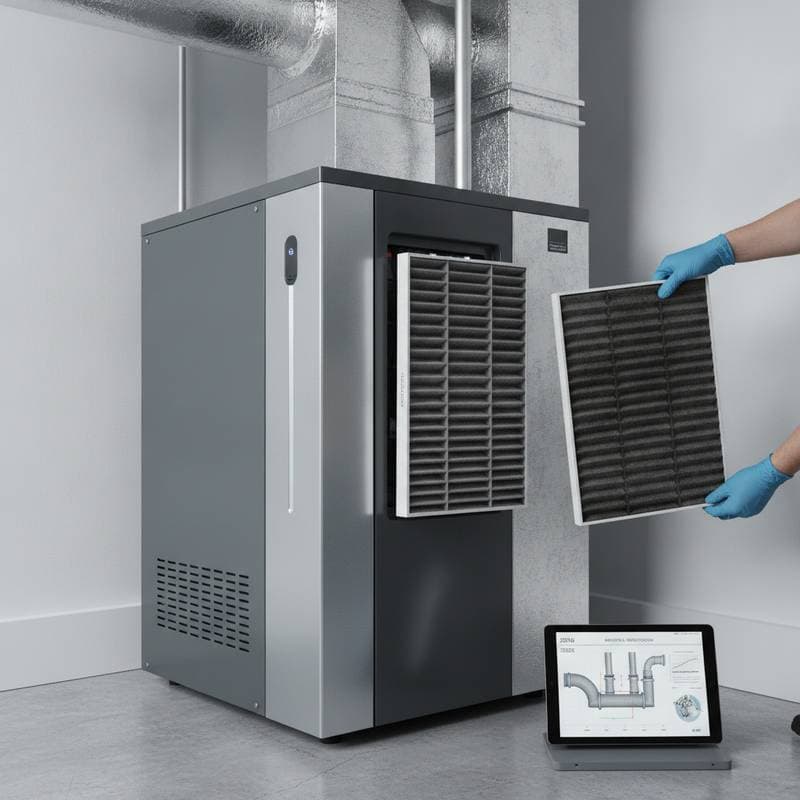
A certified mitigator installs active soil depressurization or improved sealing. Systems typically reduce concentrations by 70 to 90 percent.
Can homeowners perform mitigation?
Basic sealing around pipes and cracks is possible. Full system design and fan installation require licensed professionals.
Is follow-up testing necessary after mitigation?
Retest within 30 days of system activation. Annual checks thereafter confirm continued performance.
Should sellers disclose prior radon findings?
State disclosure laws vary. Provide test reports and mitigation documentation to support buyer confidence.
Step-by-Step Testing Plan
- Review foundation type and past test records to gauge baseline risk.
- Select DIY or professional service based on purpose and required documentation.
- Schedule testing during closed-house conditions for conservative results.
- Record readings and compare against action thresholds.
- Engage a mitigator if levels exceed guidelines, then retest to verify reduction.
Maintaining Long-Term Home Safety
Integrate radon checks into the annual maintenance calendar. Consistent attention protects occupants and preserves property value over time.