Right Time and Type for Your Fall HVAC Filter Change
As temperatures drop, your HVAC system becomes one of the most relied upon parts of your home. The transition from cooling to heating season is the perfect time to focus on one of the simplest yet most important maintenance tasks. Changing your HVAC filter improves air quality, energy efficiency, and system performance. Many homeowners either forget to replace it or do not realize how much that small piece of material affects daily comfort.
Why the Fall Filter Change Matters
During the warmer months, your HVAC system pulls in dust, pollen, and other airborne particles. By the time autumn arrives, that filter has likely collected more debris than expected. Entering the heating season with a clogged filter restricts airflow and forces your furnace or heat pump to work harder. This increases energy use, raises utility costs, and shortens the lifespan of your equipment.
A clean filter is also essential for indoor air quality. With windows closed and homes sealed tight against the cold, the air inside can quickly become stale. A dirty filter allows dust and allergens to circulate, which can trigger respiratory irritation. Replacing your filter before turning on the heat ensures that your system traps contaminants efficiently.
How to Know When It Is Time
There is no single replacement schedule that fits every home, but a few indicators make the timing clearer. The most reliable sign is visible dirt. If the filter looks gray, dusty, or clogged, it is overdue for replacement. You can also check airflow from your vents. Reduced air movement often signals a blocked filter.
Lifestyle factors also influence timing. Households with pets, smokers, or allergy prone family members may need more frequent replacements. Homes near construction areas or busy roads accumulate airborne debris faster. Many HVAC technicians recommend starting the fall season with a fresh filter and then checking it monthly. Marking a reminder on your calendar supports consistency.
Choosing the Right Filter Type
Filters vary widely in quality and price. Picking the right one depends on your system and household needs. Each filter has a MERV rating that measures how well it traps particles. Higher ratings capture smaller contaminants but can restrict airflow if your system is not designed for them.
Here are the most common types:
- Fiberglass filters are the basic, inexpensive options found in most hardware stores. They capture larger particles like dust and lint but do little for smaller allergens. They suit vacation homes or systems that need frequent replacements without high filtration demands.
- Pleated filters are made from polyester or cotton and have more surface area to trap finer particles such as pet dander and pollen. They typically carry MERV ratings between 8 and 13, which fits most residential systems.
- High efficiency filters, sometimes labeled as HEPA grade, can remove very small particles including bacteria and smoke residue. They work well in households with severe allergies. Check your system specifications before upgrading, as not all furnaces handle the restricted airflow.
- Washable filters can be rinsed and reinstalled several times. They save money over time yet require consistent cleaning and drying to prevent mold growth.
The right filter type depends on your priorities. If air quality is the top concern, choose a higher MERV rating within your system recommended range. If energy efficiency and airflow matter more, select a mid range pleated option.
Step by Step Replacement Guide
Changing your HVAC filter is a simple task that takes only a few minutes. Doing it safely and correctly prevents damage to your system.
- Turn off your system. Always shut down your HVAC equipment before removing the old filter. This prevents unfiltered air from circulating while the filter is out.
- Locate the filter compartment. Most filters are found near the air handler or inside the furnace cabinet. Look for a slot or panel with arrows showing airflow direction.
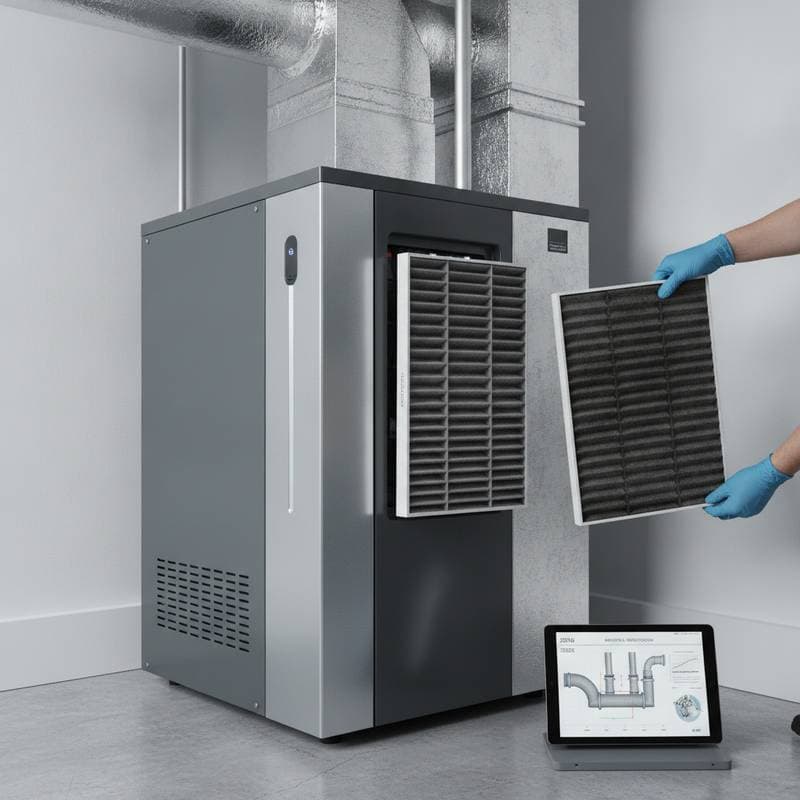
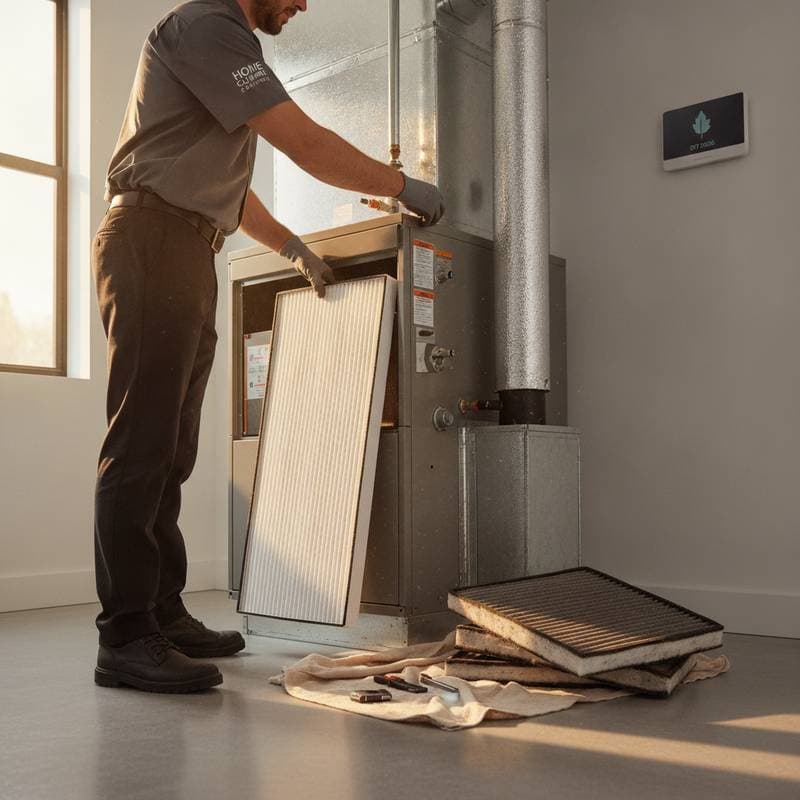
- Remove the old filter. Slide the old filter out carefully to avoid knocking dust into the air. Check its edges for the size markings, as you will need the same dimensions for the replacement.
- Insert the new filter. Place the new filter in the same direction as the arrows on the frame. These arrows should point toward the blower motor.
- Close the panel and restart. Secure the cover, then turn the system back on. You should notice improved airflow and quieter operation.
For reusable filters, follow the manufacturer cleaning instructions. Always let them dry completely before reinstalling.
Common Mistakes to Avoid
Many homeowners unknowingly reduce HVAC efficiency with small errors. Watch for these issues:
- Using the wrong size filter. Even a small gap allows unfiltered air to bypass the filter.
- Ignoring the airflow direction. Installing it backward reduces filtration and strains the blower.
- Delaying replacements too long. Waiting until the filter looks completely clogged can damage your system.
- Choosing a filter that is too restrictive. A high MERV rating sounds effective, but if your system is not built for it, the motor can overwork.
- Skipping checks during the season. Dust builds up faster than expected, especially during high usage periods.
Cost and Efficiency Balance
Filter replacement is one of the most cost effective maintenance tasks you can perform. A clean filter can lower energy use noticeably. Premium filters cost more upfront yet often last longer and protect your system better. Inexpensive fiberglass filters may need replacement every month. Consider your lifestyle, allergy levels, and heating habits when choosing.
Protecting Your Home Investment
Regular filter changes protect one of your home biggest mechanical investments. A furnace or heat pump that runs with proper airflow lasts longer, operates quieter, and maintains better temperature consistency. Clean air also supports a healthier living environment by reducing dust buildup and allergy symptoms. As fall settles in, make filter replacement part of your seasonal routine alongside tasks such as checking smoke detectors and sealing windows.