Seasonal HVAC Filter Replacement Schedule
Keeping your home's air clean and your HVAC system efficient starts with one simple task: changing the air filter on a regular schedule. A clear seasonal plan ensures your system runs smoothly, your indoor air stays healthy, and your energy bills remain manageable. Many homeowners overlook this step, which leads to reduced performance, poor air quality, and unnecessary repair costs.
Why Seasonal Filter Replacement Matters
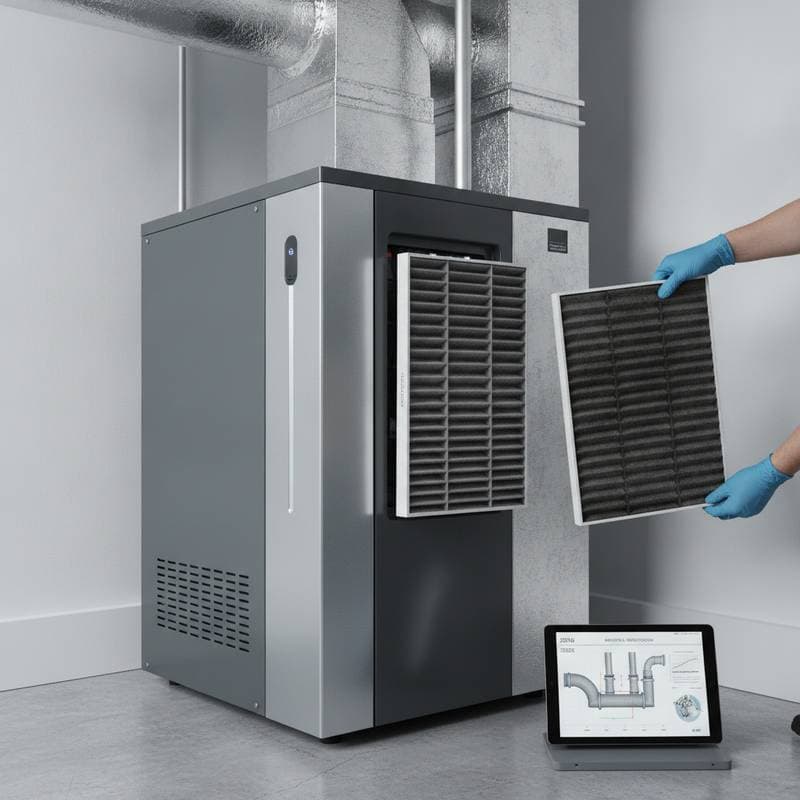
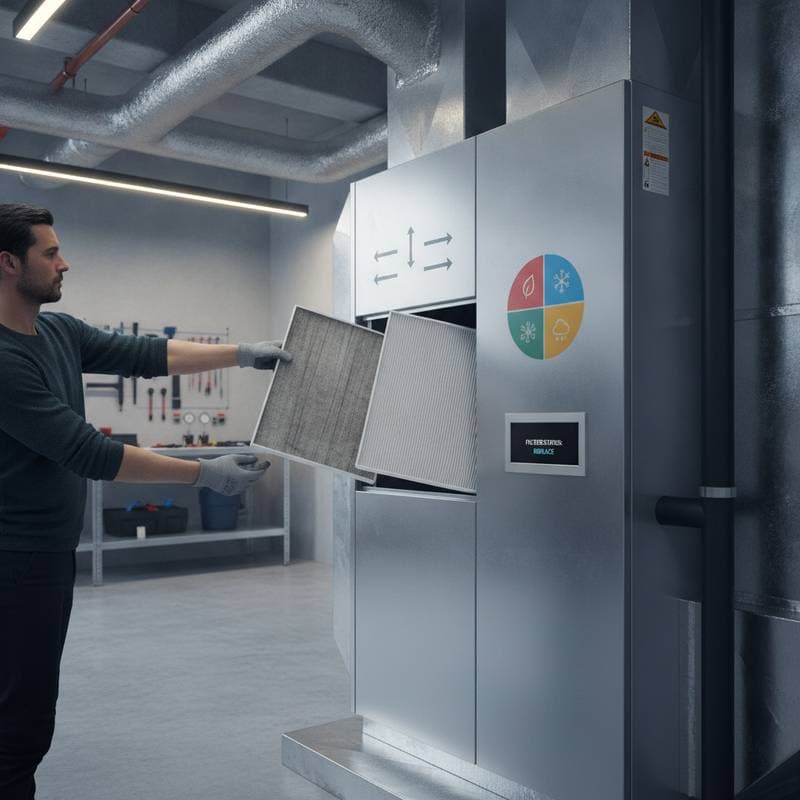
HVAC filters trap dust, pollen, pet dander, and other airborne particles before they circulate through your home. Over time, these filters become clogged and force the system to work harder. This strain raises energy use and shortens equipment lifespan. Replacing filters seasonally maintains steady airflow, protects essential components, and delivers cleaner air for your household.
Understanding the Seasonal Replacement Schedule
Different times of year bring unique environmental changes that affect how often your air filter should be replaced. A seasonal schedule helps you adapt to these shifts for consistent comfort.
Spring
Pollen levels rise and allergens spread easily during spring. Replace your HVAC filter at the start of this season to capture these particles before they fill your home. Homeowners with allergies or pets should check the filter monthly during this period.
Summer
Warm months often bring higher humidity and increased air conditioning use. A clean filter helps your system cool efficiently and prevents moisture buildup inside ducts. Replace the filter at the beginning of the season, then inspect it halfway through if your system runs daily.
Fall
Outdoor debris such as leaves and dust can enter the home as temperatures cool. Changing your filter at the start of fall prepares your system for heating season. If you use a heat pump, a clean filter ensures reliable operation in both heating and cooling modes.
Winter
Heating runs for long stretches during winter and places extra demand on your HVAC system. Replace your filter early in the season to prevent airflow restrictions that make your furnace work harder. Homes with multiple occupants or pets benefit from monthly checks to avoid unnecessary strain.
| Season | Light Use | Moderate Use | Heavy Use (Pets/Allergies) |
|---|---|---|---|
| Spring | 90 days | 60 days | 30 days |
| Summer | 90 days | 60 days | 30 days |
| Fall | 90 days | 60 days | 30 days |
| Winter | 90 days | 60 days | 30 days |
Choosing the Right Filter for Each Season
Not all filters perform the same. Fiberglass filters cost less and suit short-term use, yet they may miss fine particles. Pleated filters provide better filtration and longer service life. High-efficiency filters capture microscopic contaminants and improve air quality for allergy-sensitive households. Consider upgrading during high-pollen or high-dust seasons for added protection.
Tips for Managing Your Filter Schedule
Keeping track of replacements becomes simple with a few practical habits.
- Set reminders on your phone or calendar for the start of each season.
- Label filters with the date of installation.
- Inspect monthly to catch heavy buildup early.
- Buy filters in bulk so replacements stay on hand.
- Match filter ratings measured by MERV value to your system's capacity to avoid airflow issues.
Common Mistakes to Avoid
Many homeowners delay filter changes because the system still seems to run fine. Waiting too long can cause the blower motor to overheat or reduce airflow to certain rooms. Others select filters that are too restrictive, assuming higher ratings always improve performance. The best choice balances air quality with system efficiency.
Maintain Year-Round HVAC Performance
A seasonal HVAC filter replacement schedule offers one of the simplest ways to sustain comfort and efficiency. Aligning filter changes with seasonal transitions reduces strain on your system and promotes healthier indoor air. Stay consistent and use quality filters to enjoy reliable performance and lower maintenance costs throughout the year.