New 2026 MERV Ratings: Essential HVAC Filter Update
A quiet change is coming to the air you breathe at home. The new MERV ratings update will reshape how homeowners choose, install, and maintain HVAC filters. If you have ever wondered why one filter costs twice as much as another or which one actually improves indoor air quality, this update matters to you.
What the MERV Rating Measures
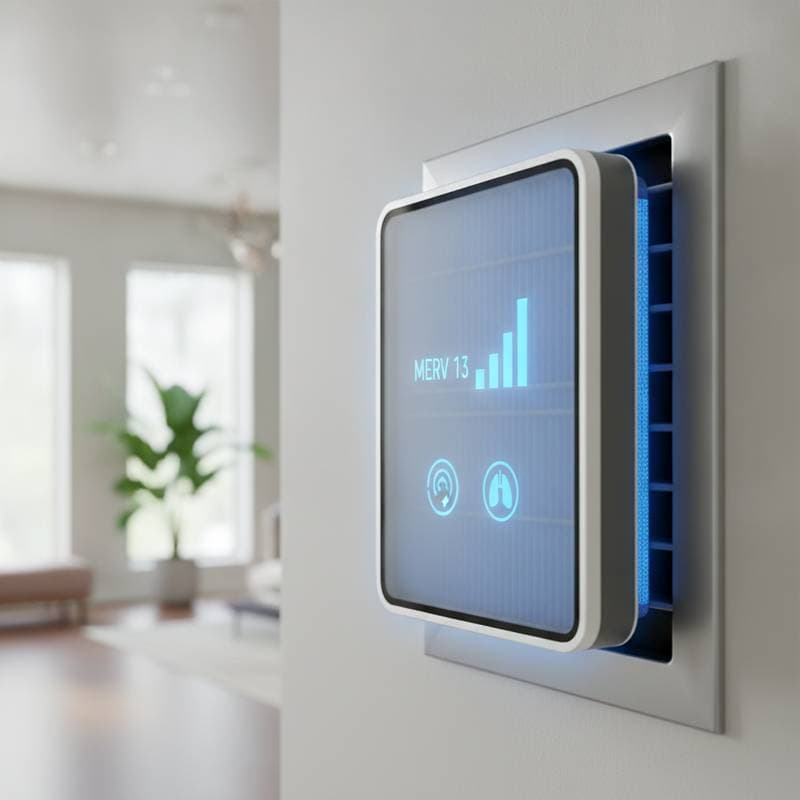
MERV stands for Minimum Efficiency Reporting Value. It measures how effectively an HVAC filter captures airborne particles of different sizes, from large dust flakes down to microscopic allergens. The scale traditionally runs from 1 to 20, where higher numbers indicate better filtration.
- MERV 1 to 4: Basic filters that capture large dust and lint particles.
- MERV 5 to 8: Standard filters found in many homes, trapping pollen and mold spores.
- MERV 9 to 12: Improved filters that reduce fine dust and pet dander.
- MERV 13 to 16: High-efficiency filters used in homes with allergies or health sensitivities.
- MERV 17 to 20: HEPA-grade filtration suited for hospitals and clean rooms.
The upcoming changes refine these categories, making it easier to compare filters across brands and ensure that each MERV level consistently performs as rated.
Why the Update Matters
Homeowners have long struggled to match filter ratings with real-world results. Two filters labeled as MERV 11 might not perform the same once installed. The new testing standards aim to fix that. Manufacturers must now meet stricter criteria for particle retention, airflow resistance, and durability over time.
This means your next filter purchase will be more predictable. A MERV 13 filter will have verified performance for fine particles, not just an advertised claim. That consistency will help homeowners make smarter choices without needing to decipher technical testing data.
Key Changes You Need to Know
While the overall MERV range remains the same, the update includes new measurement protocols and labeling requirements. Here is what to expect:
- Tighter particle size ranges: Filters will be tested against more specific particle sizes between 0.3 and 10 microns.
- Durability testing: Filters must maintain efficiency after extended airflow exposure.
- Clearer labeling: Packaging must show airflow resistance, measured in inches of water column, to help match filters with system capabilities.
- Energy performance data: Some filters will include optional energy efficiency ratings, showing how they affect HVAC performance.
These changes mean homeowners can compare filters more accurately, avoiding the guesswork that often leads to poor airflow or wasted money.
Choosing the Right Filter for Your Home
The right MERV rating depends on your system and household needs. Higher filtration levels are not always better if your HVAC system cannot handle the airflow restriction.
| MERV Rating | Particle Size (microns) | Best For | Typical Pressure Drop (IWC) |
|---|---|---|---|
| 5 to 8 | 3.0 to 10 | Standard homes, basic dust and pollen | 0.1 to 0.2 |
| 9 to 12 | 1.0 to 3.0 | Homes with pets or moderate allergies | 0.2 to 0.3 |
| 13 to 16 | 0.3 to 1.0 | Allergy-sensitive households, urban areas | 0.3 to 0.4 |
| 17 to 20 | <0.3 | Medical-grade or cleanroom use | 0.5+ |
If your system uses a 1-inch filter slot, avoid jumping above MERV 12 unless your equipment manual confirms compatibility. Thicker filters, such as 4-inch pleated filters, can support higher ratings without stressing the blower motor because they allow more surface area for airflow.
Common Mistakes to Avoid
- Buying too high a rating: A MERV 16 filter in a basic residential blower can reduce airflow, causing your system to overheat or short cycle.
- Ignoring pressure drop: Always check your system maximum pressure tolerance, often listed near the blower compartment.
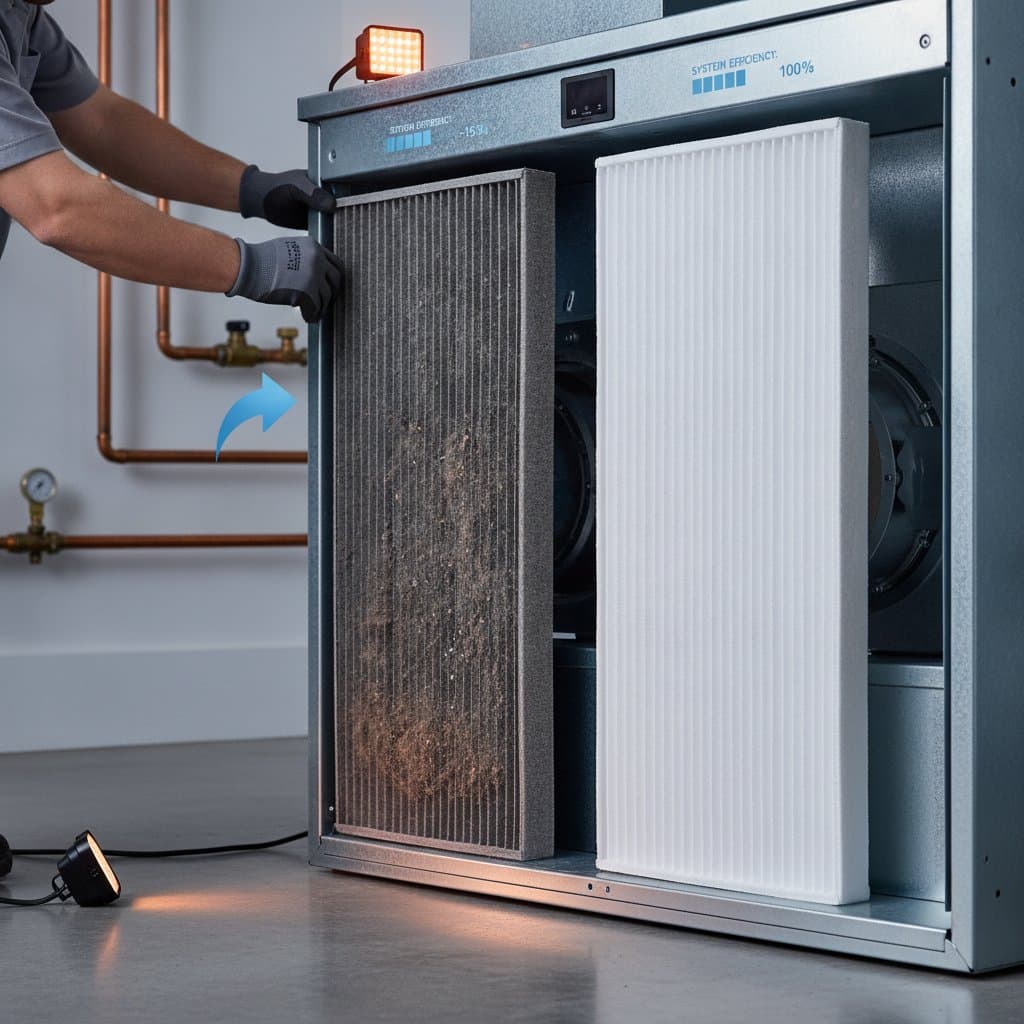
- Skipping regular changes: Even the best filter becomes useless when clogged. Replace disposable filters every 60 to 90 days, or sooner if you have pets or construction dust.
- Assuming brand equals performance: Under the new standards, focus more on the verified MERV rating than on brand reputation.
Avoiding these pitfalls keeps your system efficient and your indoor air cleaner.
Accessibility and Health Considerations
Cleaner air benefits everyone, but for people with asthma, allergies, or respiratory conditions, a proper filter makes a real difference. Choosing at least MERV 11 can reduce exposure to common triggers like mold spores and fine dust. Pairing a quality filter with sealed ductwork and regular maintenance further improves indoor air quality.
For households with older adults or children, aim for MERV 13 if your system can handle it. You will capture smaller particles such as bacteria and smoke residue, improving comfort and reducing illness risk. Always verify with your HVAC technician before upgrading to ensure your blower motor can handle the added resistance.
DIY or Hire a Pro
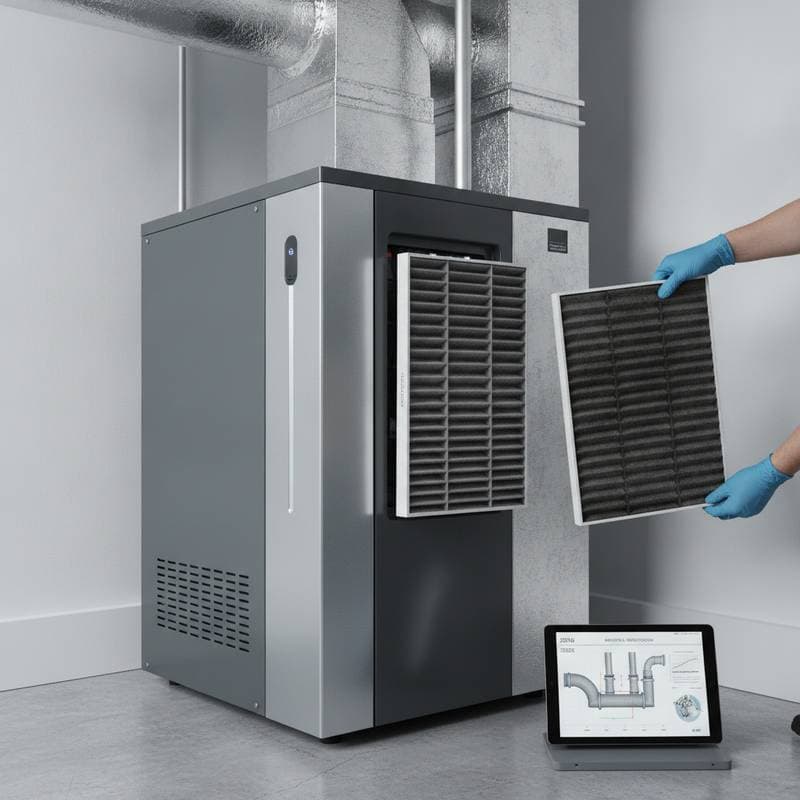
Replacing a filter is an easy DIY job requiring only a screwdriver and a tape measure. Measure the filter slot carefully, noting width, height, and depth. Common sizes include 16x25x1, 20x20x1, and 20x25x4.
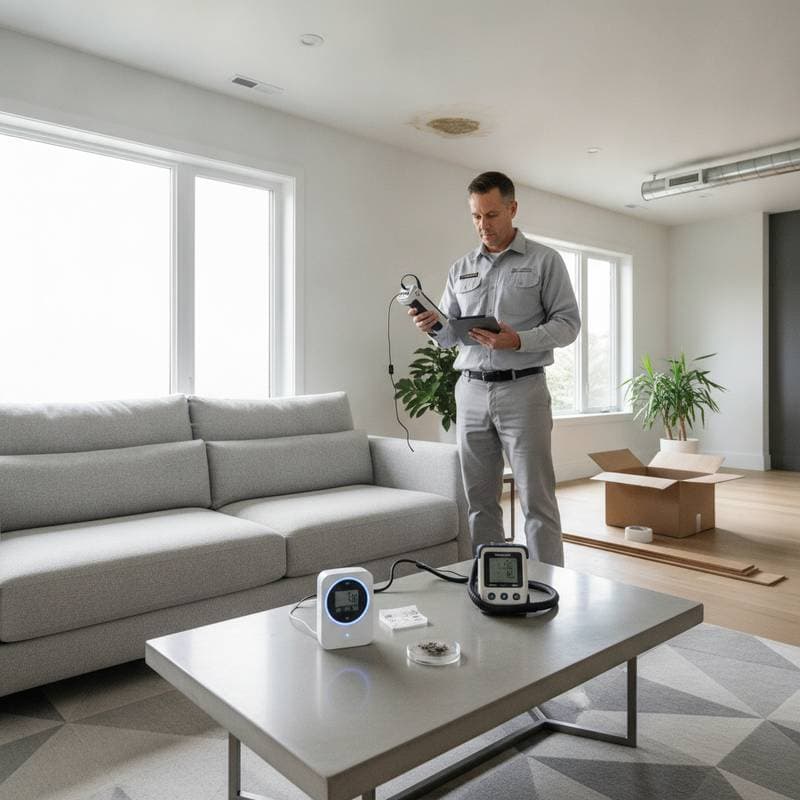
If you plan to switch to a thicker or higher-MERV filter, call a licensed HVAC professional. They can test system pressure and confirm that your blower motor can manage the added restriction. This small check can prevent costly repair bills later.
Practical Steps After the Update
Measure your current filter dimensions and note your system specifications before shopping. Compare new labels for verified particle retention and pressure drop values. Schedule a system check if you intend to upgrade ratings. These actions deliver reliable air quality improvements and protect equipment performance over time.