Why Fall HVAC Filters Need Timely Swaps Now
Seasonal changes bring more than cooler air and falling leaves. They also mark a crucial moment for homeowners and building managers to check and replace HVAC filters. Waiting too long to swap them can lead to higher energy costs, poor indoor air quality, and strain on heating and cooling systems.
Understanding why timely replacement matters helps avoid these issues and keeps air systems running efficiently.
Understanding the Cost Fundamentals
The national average cost for a standard HVAC filter replacement ranges from ten to forty dollars per filter. High efficiency models can reach up to eighty dollars, depending on size and material. Regional variations exist, with urban areas often charging higher prices for both filters and labor.
In rural or suburban markets, costs tend to be lower, especially if homeowners handle replacement themselves. Seasonal pricing also affects costs. During fall, demand for maintenance services increases as households prepare for cooler months.
Service providers may adjust rates during this time, particularly for bundled maintenance packages. Economic factors such as material supply, brand availability, and shipping costs also influence pricing trends.
Comparing Pricing Models and Structures
HVAC filter maintenance follows several pricing models. Some homeowners choose flat fee service visits that include inspection, filter replacement, and system cleaning. Others prefer hourly labor rates, which can range from forty to one hundred dollars per hour depending on the technician expertise.
Subscription programs have become more common, offering quarterly filter deliveries and reminders for a set monthly rate. These plans often cost between fifteen and thirty dollars per month and help ensure timely replacement without extra scheduling.
Service Tiers and Their Price Points
Basic services usually cover standard fiberglass or pleated filters. These are affordable but need replacement more often. Professional or mid tier services include higher grade filters with improved particle capture and airflow balance.
Premium services focus on HEPA or activated carbon filters that address allergens, smoke, and odors. Specialized or custom fit filters, used in large homes or commercial spaces, carry the highest costs due to their unique dimensions and performance standards.
Key Variables Influencing HVAC Filter Pricing
Several factors influence the total cost of replacement.
- System size and design determine the filter dimensions and replacement frequency.
- Complexity of installation affects labor time, especially in older units with difficult access.
- Occupant habits such as smoking or pet ownership increase filter workload and shorten lifespan.
- Environmental factors like regional air quality or seasonal pollen spikes also affect replacement frequency.
Add on Services and Supplemental Charges
Beyond basic replacement, homeowners may encounter added fees for optional services.
- Duct cleaning costs between three hundred and five hundred dollars, improving airflow and reducing contaminants.
- System sanitization adds between fifty and one hundred dollars to a visit, targeting bacteria and mold.
- Performance testing ensures the system operates efficiently and may cost around seventy five dollars.
- Priority service or same day appointments usually carry a premium of up to twenty percent above standard rates.
Steps for Effective Filter Replacement
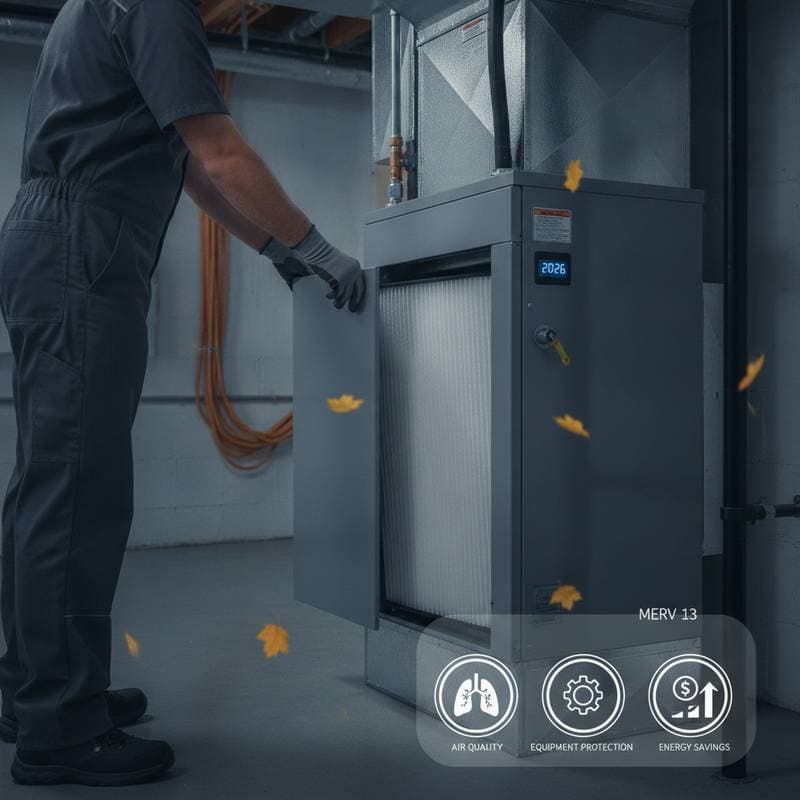
Replacing your HVAC filter before fall peaks helps maintain cleaner air and lower energy bills. A clean filter can reduce system energy use by up to fifteen percent according to data from the U.S. Environmental Protection Agency. Regular swaps also extend equipment life and prevent costly repairs caused by restricted airflow.
For most homes, changing filters every one to three months is ideal, but always follow manufacturer guidance. Timely action now prepares your system for the season ahead. Whether you handle replacement yourself or schedule professional service, the effort pays off in comfort, health, and efficiency all season long.