AI Drones Simplify Fall Roof Inspections
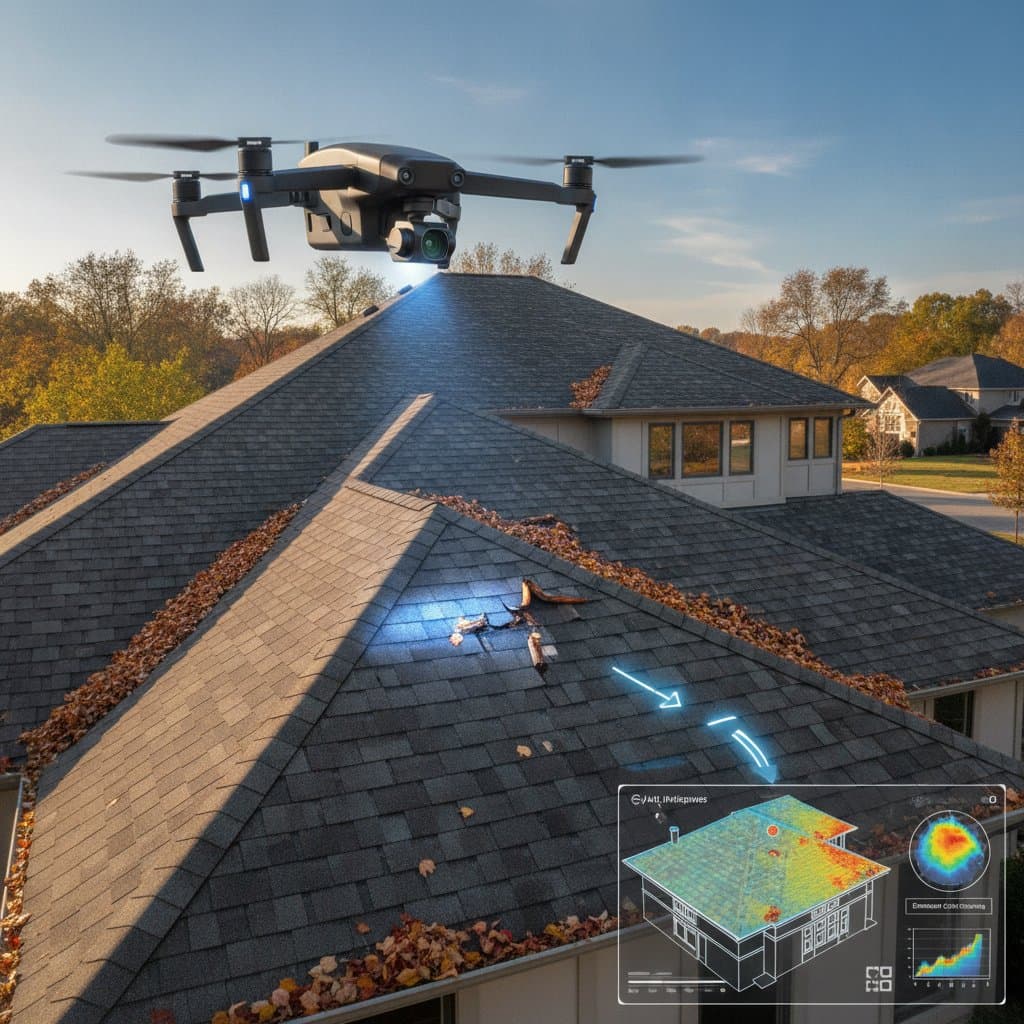
Homeowners often delay roof checks until problems appear. Ladders and crews add hassle and risk. AI drones now offer a safer and faster inspection method each fall. These tools capture detailed images and analyze surfaces to reveal issues before winter arrives.
Why Fall Roof Inspections Matter
Mild fall weather makes damage from summer storms and heat easier to spot. Clearing debris and fixing small flaws prevents ice and snow from causing leaks. Early action avoids mold growth and major repairs later.
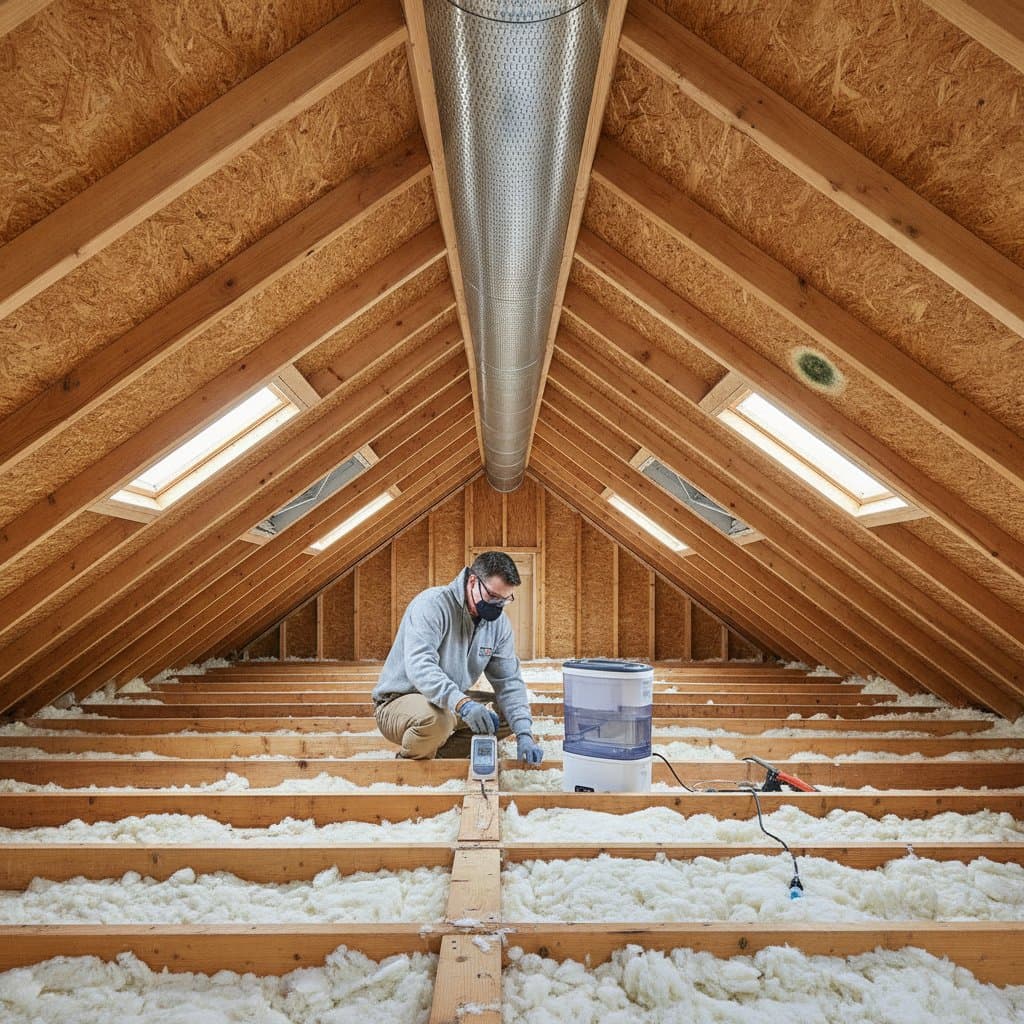
Traditional methods rely on ladders and manual checks that can overlook hidden moisture. AI drones fly over the surface and use infrared sensors to detect temperature variations that signal trapped water or insulation gaps.
How AI-Driven Drones Work
The drone follows a programmed path and records overlapping images from multiple angles. Software processes the images to match patterns of wear such as cracks or loose shingles. Thermal cameras reveal heat loss while laser sensors map roof slope and height.
Results appear on a phone or tablet as a digital report. The report marks every area that requires cleaning, sealing, or replacement so planning stays straightforward.
Benefits of Using AI Drones for Roof Inspections
Safety improves because no one climbs onto the roof. The operator remains on the ground while the drone covers every section.
Additional advantages include faster completion in under thirty minutes, higher detection accuracy in difficult areas, lower long-term repair costs, and digital records useful for insurance or contractors. Regular scans also extend roof life by catching issues early.
Real-World Examples
Roofing contractors report that drone scans identified water intrusion ahead of storms. Homeowners note that reports revealed cracks near skylights that would have leaked during winter. Users on home forums mention the process feels less disruptive than traditional visits.
How to Choose a Drone for Roof Inspection
Select models with at least 4K resolution for clear detail. Confirm stable flight performance in moderate wind and adequate battery life for complete coverage. Check compatibility with analysis software and the presence of obstacle avoidance sensors.
For complex roofs, hiring a certified operator often proves more reliable than self-operation.
Step-by-Step Guide to a Drone Roof Check
- Map the roof area and note obstacles such as wires or trees.
- Verify battery charge, lens condition, and propeller integrity.
- Enable automated flight paths for even image overlap.
- Capture frames along edges and in a grid pattern above the surface.
- Upload images to analysis software.
- Review the generated report for flagged zones.
- Arrange repairs before cold weather sets in.
Do not operate during rain or high winds. Obtain permission before flying over adjacent properties.
Cost Comparison
Drone inspections typically require less than half the time and labor of manual checks. A single operator can complete several jobs per day, which reduces overall expense.
| Inspection Type | Average Time | Average Cost | Safety Risk | Accuracy |
|---|---|---|---|---|
| Manual Check | 2 to 3 hours | Higher | Moderate | Medium |
| AI Drone Check | 20 to 40 minutes | Lower | Low | High |
Regular seasonal scans further reduce the likelihood of hidden damage that leads to interior repairs.
Environmental and Insurance Benefits
Drone use eliminates the need for scaffolding and heavy equipment. Some insurers accept the resulting documentation as proof of maintenance, which can simplify future claims.
Common Questions About AI Drone Roof Inspections
Can homeowners operate drones themselves? Small consumer models are straightforward after practice in open spaces. Local flight regulations must be followed.
How reliable is the detection? Modern systems identify minor temperature shifts and surface changes when conditions are clear.
Is training required? Basic flight is simple. Report interpretation improves with app tutorials.
Does the process risk damaging older roofs? Drones never contact the surface, so fragile materials remain untouched.
How frequently should scans occur? One inspection each fall is standard. Additional checks after storms help catch sudden issues.
Expert Insights
Specialists observe that drone data supports precise maintenance planning. Repeated scans allow comparison across seasons and can forecast future problem areas.
Future of AI in Roof Maintenance
Sensors that measure structural integrity and internal moisture are under development. Cloud platforms already store records for year-over-year comparison. Automated seasonal flights may soon generate reports and schedule service without manual input.
Maintenance Planning Framework
- Schedule a drone scan before winter.
- Store digital reports in a maintenance file.
- Address flagged items promptly.
- Clear gutters to maintain drainage.
- Compare new scans with prior results annually.
Pro Tips for Success
Capture images in early morning or late afternoon light. Keep lenses clean and combine visual with thermal data. Update software regularly and use GPS to repeat identical flight paths each season.
Protect Your Home with Timely Inspections
AI drones turn roof maintenance into a precise and low-risk routine. Homeowners gain clear data, reduced costs, and greater confidence that their roofs will withstand winter conditions.