Year-Round Attic Maintenance to Prevent Mold Issues
A clean, well-ventilated attic supports a healthy home. Many homeowners overlook their attics until musty odors, damp insulation, or visible mold appear. Regular maintenance prevents these issues and protects both structure and indoor air quality. Mold grows in dark, humid spaces. Consistent care throughout the year offers the best defense.
Understanding Attic Mold and Why It Develops
Mold often begins with small amounts of trapped moisture that feed spores along rafters, insulation, and plywood. Common sources include poor ventilation that traps humid air, roof leaks that allow water entry, inadequate insulation that creates temperature swings, blocked soffit vents that limit airflow, and bathroom or kitchen vents that release moist air into the attic. These conditions lead to condensation on surfaces where mold colonies form. Once present, mold damages wood, reduces insulation performance, and affects air quality.
Why Year-Round Maintenance Matters
Seasonal shifts affect attic conditions differently. Summer heat raises humidity in poorly ventilated spaces, while winter cold creates condensation on cool surfaces. Ongoing attention catches minor leaks or vent blockages before they expand into larger repairs. This approach delivers continuous protection instead of reactive fixes after damage occurs.
The Cost of Neglecting Attic Care
Mold remediation expenses increase with the size of the affected area. Severe cases require replacement of insulation, drywall, or roof sheathing. Preventive inspections and simple repairs cost far less than extensive remediation. Homeowners can complete basic checks themselves and call specialists only when deeper problems appear.
Key Steps for Year-Round Attic Maintenance
-
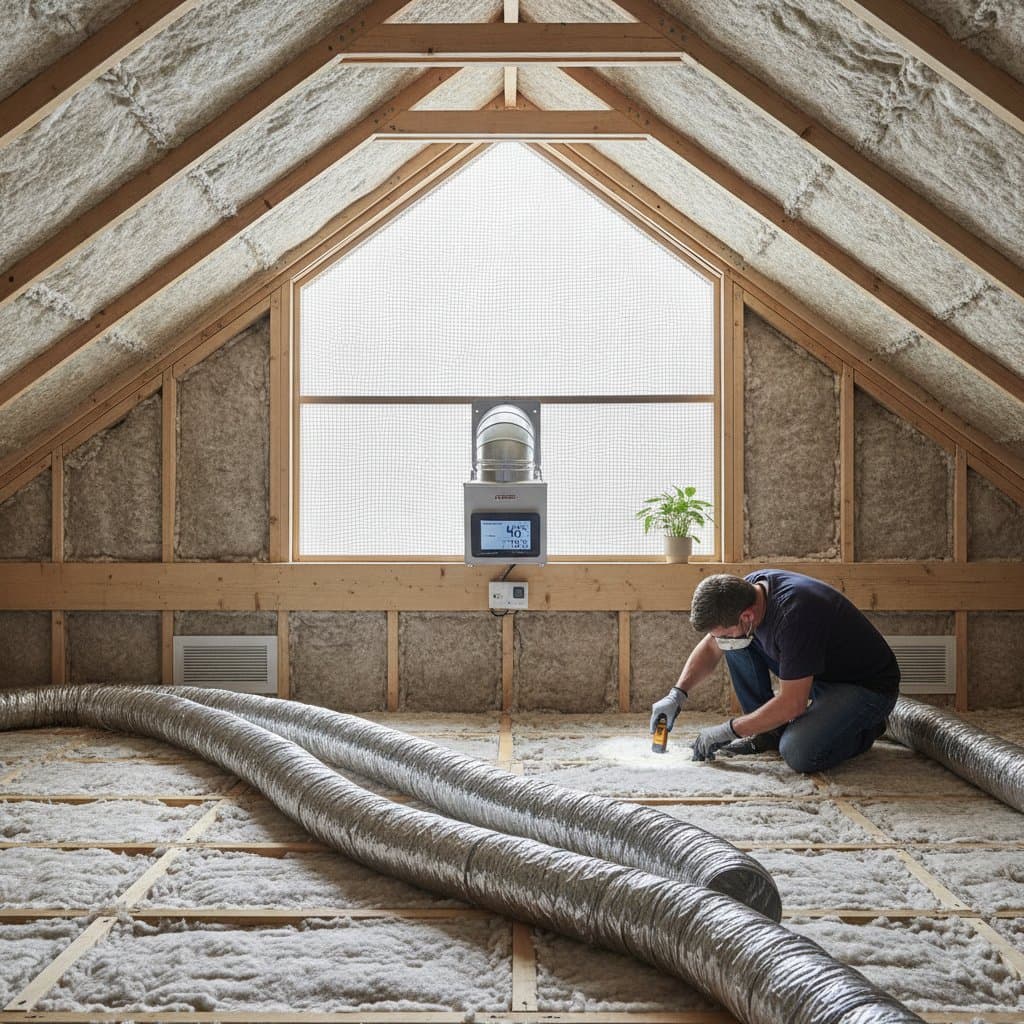
Inspect for leaks and water intrusion. Examine the attic floor and roof decking for damp spots, dark stains, or water trails. Pay close attention to areas around chimneys, vents, and skylights. Use a flashlight to identify discoloration or soft wood.
-
Test and improve ventilation. Confirm that intake vents at the eaves and exhaust vents near the roof peak remain clear of insulation, debris, or nests. Balanced airflow allows warm, humid air to exit while drawing in fresh air. Noticeable warmth or stuffiness indicates the need for adjustments.
-
Monitor insulation condition. Check that insulation lies evenly and feels dry. Replace any sections that appear compressed, shifted, or wet, because damp material loses effectiveness and can hold moisture.
-
Control indoor humidity. Operate exhaust fans in bathrooms and kitchens during use. Confirm that these vents discharge outside rather than into the attic. In humid climates, run a dehumidifier to keep levels below 60 percent. Seal gaps around attic hatches and fixtures to limit moisture movement.
-
Clean and maintain air paths. Remove dust and debris from vents each season. In winter, clear ice dams along the eaves. In summer, verify that ridge vents and attic fans operate correctly.
-
Check roof and flashing integrity. Look for missing shingles, cracked flashing, or worn sealant, especially in valleys where water collects. Repair small openings promptly to prevent water from reaching the attic.
-
Schedule professional inspections. Arrange annual or semi-annual visits from a roofing or insulation specialist who can use moisture meters and cameras to locate hidden issues.
Seasonal Attic Maintenance Tips
- Spring: Inspect for winter damage, clear vents, and check for water stains from melting snow.
- Summer: Monitor attic temperature and clean fan blades.
- Fall: Remove debris, verify insulation depth, and examine flashing before heavy rain.
- Winter: Watch for condensation, frost, or ice dams, and confirm that indoor air does not leak into the attic.
DIY versus Professional Maintenance
Homeowners can perform visual inspections, clean vents, and track humidity levels. These tasks save money and allow quick response to small concerns. Limits exist, however. Without specialized tools, subtle moisture problems or airflow imbalances may go unnoticed. Attics also present safety considerations such as low clearance and exposed fasteners.
Professional services provide thorough evaluations with moisture meters, infrared cameras, and air quality testing. Specialists can recommend added vents, insulation upgrades, or vapor barriers. The added cost brings long-term value by reducing the chance of recurring mold.
Common Questions About Attic Mold
Dark patches on wood or insulation, musty odors, and peeling paint indicate possible mold. Contact a professional for testing rather than disturbing the area. Aim for humidity below 60 percent to limit condensation. Spores can travel through ducts or ceiling openings, so address attic mold promptly. Keep vents open year-round, because closing them traps moist air. Fiberglass and cellulose resist mold when kept dry. Inspect at least twice each year, and schedule professional reviews if leaks or odors appear. Bathroom vents must discharge outdoors. Clean small areas under ten square feet with protective gear and detergent, but hire specialists for larger growth. Excessive heat, frost, or damp insulation signals poor ventilation. Mold exposure can trigger respiratory issues, so treat growth seriously. Fix leaks and maintain airflow after any cleaning to prevent return. Consult a specialist about vapor barriers in humid regions. Attic fans with humidity sensors improve circulation. Untreated mold damages wood and insulation while affecting air quality.
Deciding on Your Approach
Assess visible mold, water stains, and insulation condition with a flashlight. Evaluate your comfort with basic tools and attic access. Compare short-term savings against potential long-term repair costs from missed issues. Consider safety risks such as limited space or widespread contamination. If no major problems exist, continue seasonal self-inspections. Recurring moisture calls for professional evaluation.
Preparing for Maintenance
Research your attic ventilation layout, insulation type, and roof materials before beginning. Clear a safe path and gather a flashlight, gloves, and mask. Plan inspections for mild weather when possible. Set aside funds for both routine checks and any unexpected repairs.
Protecting Your Home Long Term
Consistent attic care keeps moisture from accumulating and preserves insulation performance. Regular attention safeguards indoor air quality and reduces the likelihood of costly structural repairs.