Greywater Systems: Costs and Return on Investment Analysis
Homeowners seek effective methods to lower water bills and advance sustainability goals without compromising daily comfort. Greywater recycling systems provide a viable solution by capturing water from sinks, showers, and laundry, treating it, and redirecting it for irrigation or toilet flushing. These systems yield significant water conservation and financial benefits. A clear grasp of installation expenses, payback durations, and performance factors enables informed decisions on whether such a system suits specific needs.
Fundamentals of Greywater Recycling
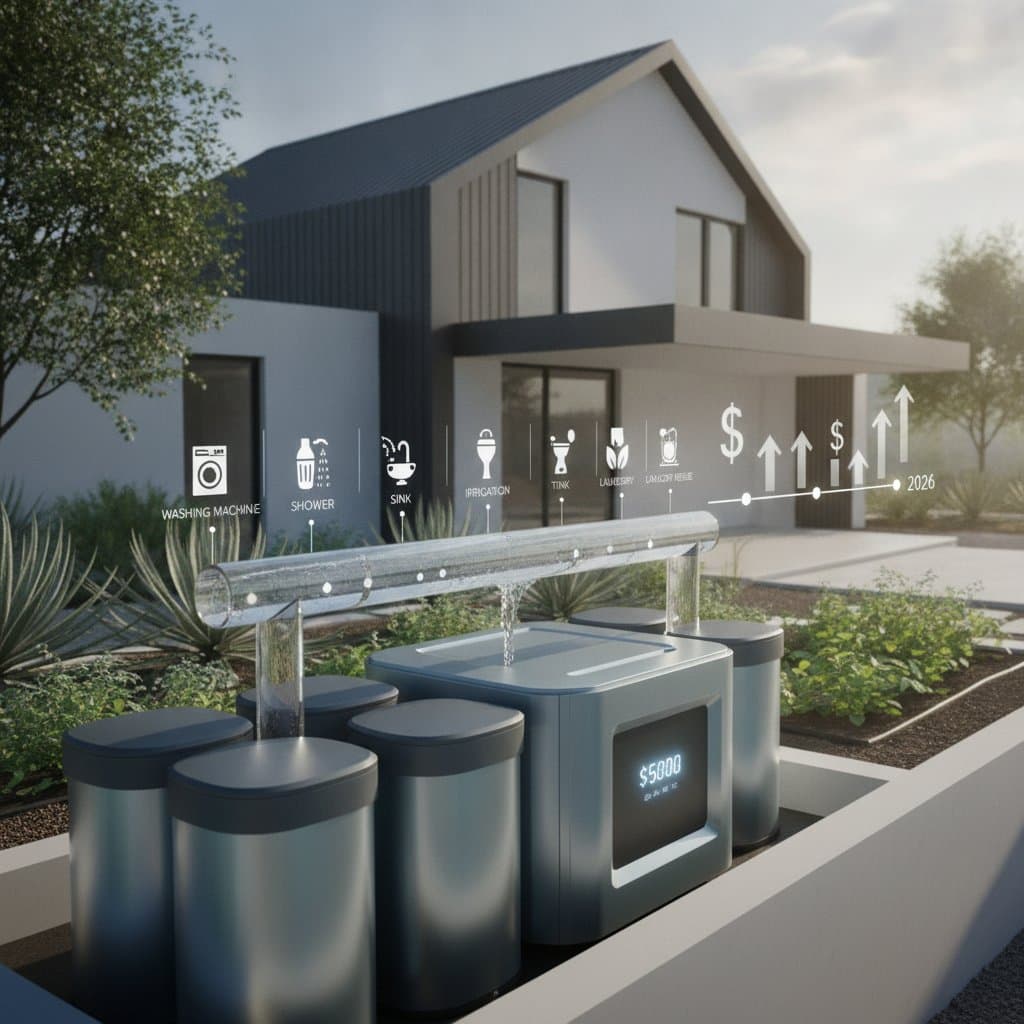
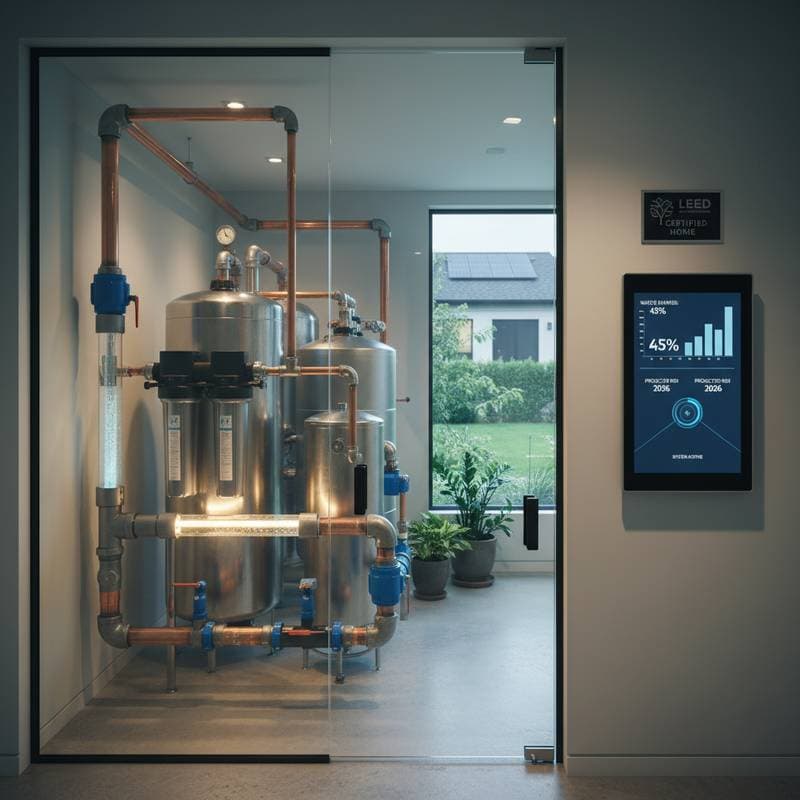
Greywater systems gather wastewater from sources excluding kitchens, apply filtration to eliminate contaminants, and store the processed water for subsequent applications. Filtration methods, such as sediment screens or biological processors, target soaps, hair, and particulates. The purified water then travels via pumps to garden lines or toilet reservoirs. Standard residential configurations encompass:
- Collection pipes linked to sinks, showers, and washing machines
- A central filtration module to clear solids and organics
- Storage reservoirs holding 100 to 300 gallons
- Pumping mechanisms for on-demand distribution
Component choices directly impact expenses and upkeep demands. Irrigation-focused setups remain straightforward and budget-friendly, whereas systems supporting both outdoor and indoor reuse demand extensive plumbing modifications and greater initial outlays.
Detailed Installation Cost Analysis
System expenses vary based on scale, regional labor charges, and whether installation occurs during new construction or in an established residence. Retrofitting demands accessing and altering existing pipes, increasing complexity. Anticipate the following ranges:
- Basic manual configurations: $700 to $2,000
- Semi-automated options: $2,000 to $4,500
- Advanced automated dual-purpose models: $5,000 to $8,000
Labor accounts for 40 to 60 percent of the total. Incorporating greywater infrastructure in new builds cuts costs by 20 to 30 percent relative to retrofits. Permit applications and inspections add $200 to $800, contingent on local regulations.
Material selections further shape budgets. Polyethylene reservoirs offer affordability but shorter lifespans compared to fiberglass or stainless steel alternatives. Membrane-based filters carry higher upfront prices yet demand fewer replacements over years. Modular designs permit scalable additions as household water demands evolve.
Maintenance and Operational Expenses
Post-installation, consistent care sustains system functionality. Rinse filters biweekly to monthly, and conduct tank cleanings semiannually. Routine checks on pumps and valves maintain consistent pressure and avert blockages. Expect yearly upkeep costs of $100 to $300.
Power usage stays low, with intermittent pump operation equivalent to a compact refrigerator. Primary ongoing costs involve filter replacements at $30 to $60 apiece, scaled to usage intensity.
Quantifying Water Savings and Payback Intervals
Greywater systems curtail fresh water use by 30 to 50 percent. In a four-person household averaging 100 gallons daily per individual, monthly savings reach thousands of gallons. Economic returns hinge on regional utility rates, with high-cost areas accelerating breakeven points.
Irrigation-only installations often recoup investments in 4 to 6 years, while dual-use variants achieve parity in 7 to 10 years. Properties in arid zones facing watering bans realize expedited benefits, as systems ensure steady landscape hydration amid restrictions.
Integrating greywater with complementary measures, like low-flow showerheads or automated sprinkler timers, amplifies savings. Such combinations enhance overall water management and hasten financial recovery.
Broader Environmental and Practical Advantages
Greywater reuse extends beyond economics to bolster water preservation efforts. It eases burdens on public treatment facilities and groundwater reserves. Residents secure autonomy from rationing policies and supply fluctuations. For expansive yards or turf areas, recycled water sustains vitality independent of drinking supplies.
Systems integrate seamlessly into routines, functioning silently with minimal intervention. Mature technologies feature quality sensors that notify users of required filter changes, simplifying oversight.
Addressing Typical Obstacles
Potential adopters often cite installation intricacies or health worries as deterrents. Properly engineered and serviced systems produce water safe for designated non-potable purposes. Essential practices include excluding kitchen effluents or diaper rinses, which harbor elevated contaminants. Engage certified professionals and adhere to code standards to mitigate risks.
Mineral accumulation may impair efficiency over time. Periodic flushing with fresh water and selection of eco-friendly detergents preserve optimal flow. Excess irrigation poses another concern; deploy soil sensors to regulate application and avoid saturation.
Available Incentives and Financial Aids
Numerous locales provide rebates offsetting 10 to 30 percent of installation fees. Certain districts extend discounted rates to verified recycling users. Review offerings from regional water agencies to identify applicable supports. Pairing incentives with optimized system designs can compress payback timelines by multiple years.
Optimizing Long-Term System Performance
Greywater installations represent commitments to enduring sustainability and enhanced property appeal. Vigilant maintenance guarantees sustained reliability and cost reductions. Log servicing activities, monitor usage reductions, and perform yearly component reviews. Swift part replacements forestall expensive overhauls.
During construction or remodels, seek guidance from water recycling-savvy plumbers to refine layouts. Appropriate sizing, filtration approaches, and reservoir positioning streamline future care and efficiency.
Greywater initiatives repurpose routine wastewater effectively. Thoughtful implementation empowers homeowners to diminish expenses, aid community conservation, and fortify residences against resource constraints. Returns manifest in fiscal relief and ecological contributions, fostering sustainable living practices.