Greywater Systems: Simple vs Complex Cost Breakdown
Greywater Costs and Permits: What You Will Actually Pay
Recycling household water through a greywater system lowers utility bills and reduces water waste. Homeowners reuse water from sinks, showers, and laundry for irrigation or toilet flushing. Installation costs, permit needs, and maintenance vary by system type. Planning these details prevents unexpected expenses.
What a Greywater System Does
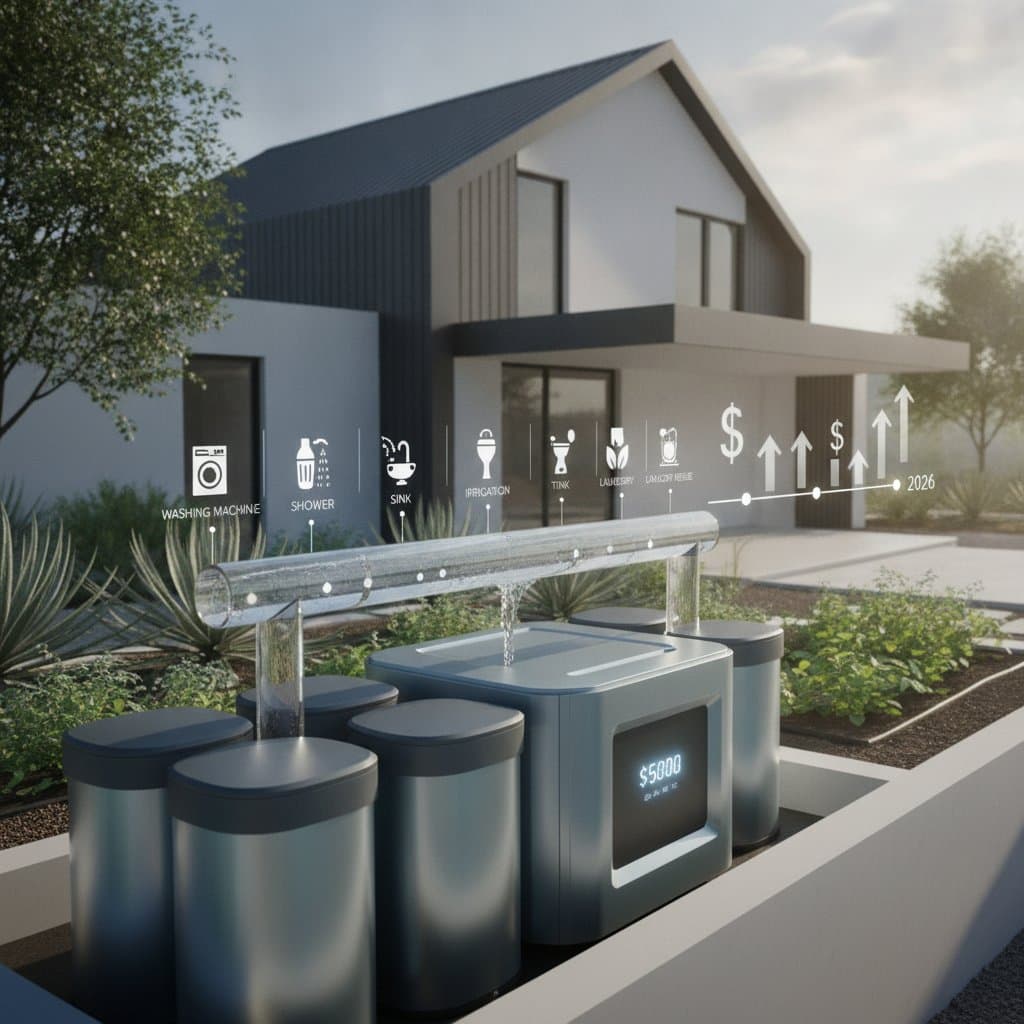
A greywater system collects water from bathroom sinks, showers, tubs, and washing machines. It filters and redirects the water for non-potable uses such as irrigation. The system excludes toilet and kitchen sink water, which counts as blackwater. Two main types exist.
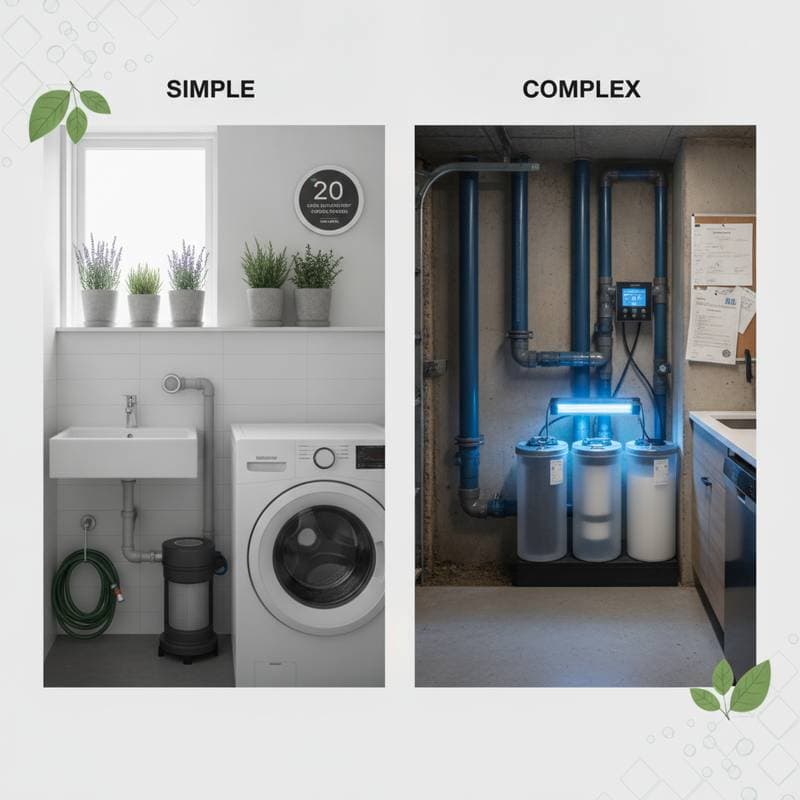
- Simple systems divert laundry or shower water directly to the yard through gravity-fed pipes.
- Complex systems add storage tanks, filtration, pumps, and controls for indoor reuse.
System choice drives most cost differences.
Real Cost Breakdown
Total price depends on system type, plumbing layout, yard slope, soil type, and local fees. Most residential projects fall between 1500 and 7000 dollars.
Basic Laundry-to-Landscape Systems
These setups redirect washing machine water to garden areas through simple pipes. No storage or filtration is required.
- Typical cost: 800 to 2000 dollars
- DIY difficulty: moderate
- Time to complete: one weekend
- Best for: small yards or quick upgrades
Many regions allow permit-free installation when discharge stays within set limits.
Whole-House Systems
Whole-house systems collect water from multiple sources and store it in a tank. They include filters, pumps, and sometimes disinfection. Water can serve toilets or large irrigation zones.
- Typical cost: 4000 to 10000 dollars
- DIY difficulty: high
- Time to complete: one to two weeks with professional help
- Best for: large landscapes or high water-cost areas
Licensed plumbers handle drain routing. Budget extra for electrical work on pumps and controls.
Advanced Filtration or Smart Systems
Modern units add sensors, automatic backwash filters, and programmable valves. These features raise efficiency and safety.
- Typical cost: 8000 to 15000 dollars
- DIY difficulty: not recommended
- Best for: new construction or certified eco-remodels
Permit and Inspection Costs
Most municipalities require permits when systems alter plumbing or connect to indoor fixtures. Simple laundry systems may avoid permits if they meet discharge rules. Fees range from 75 to 500 dollars. Stricter areas need engineer review, adding 300 to 1000 dollars.
Systems tied to toilets must follow plumbing codes for backflow prevention and pipe labeling. Check local building departments before work begins.
Factors That Affect Cost
Several variables change final price.
- Existing plumbing layout affects modification expense.
- Landscape size determines piping and labor needs.
- Clay soils require extra distribution lines to avoid pooling.
- Buried tanks add excavation costs.
- Urban labor rates exceed rural rates.
Rebates from water agencies in dry regions can offset equipment or permit fees.
DIY vs Professional Installation
Basic laundry-to-landscape systems suit skilled DIYers using PVC parts and standard tools. Follow local codes on diverter valves and safe detergents. Whole-house and filtered systems require licensed professionals to prevent contamination or code violations. Professional installation adds 1000 to 3000 dollars but avoids future repairs.
Ongoing Maintenance and Operating Costs
Filters need periodic cleaning. Valves and lines require inspection. Annual maintenance averages 100 to 300 dollars. Pump or filter replacements occur every few years.
Safety and Health Considerations
Greywater cannot serve drinking or cooking uses. Use biodegradable, low-sodium detergents. Route water away from edible plants unless advanced filtration exists. Automatic diverters send water to sewers during rain or bleach use.
When to Call a Professional
Hire a licensed plumber for indoor connections, storage tanks, or complex filtration. Seek help for odors, clogs, or slow drainage. Early professional involvement helps systems pass required inspections.
Long-Term Benefits
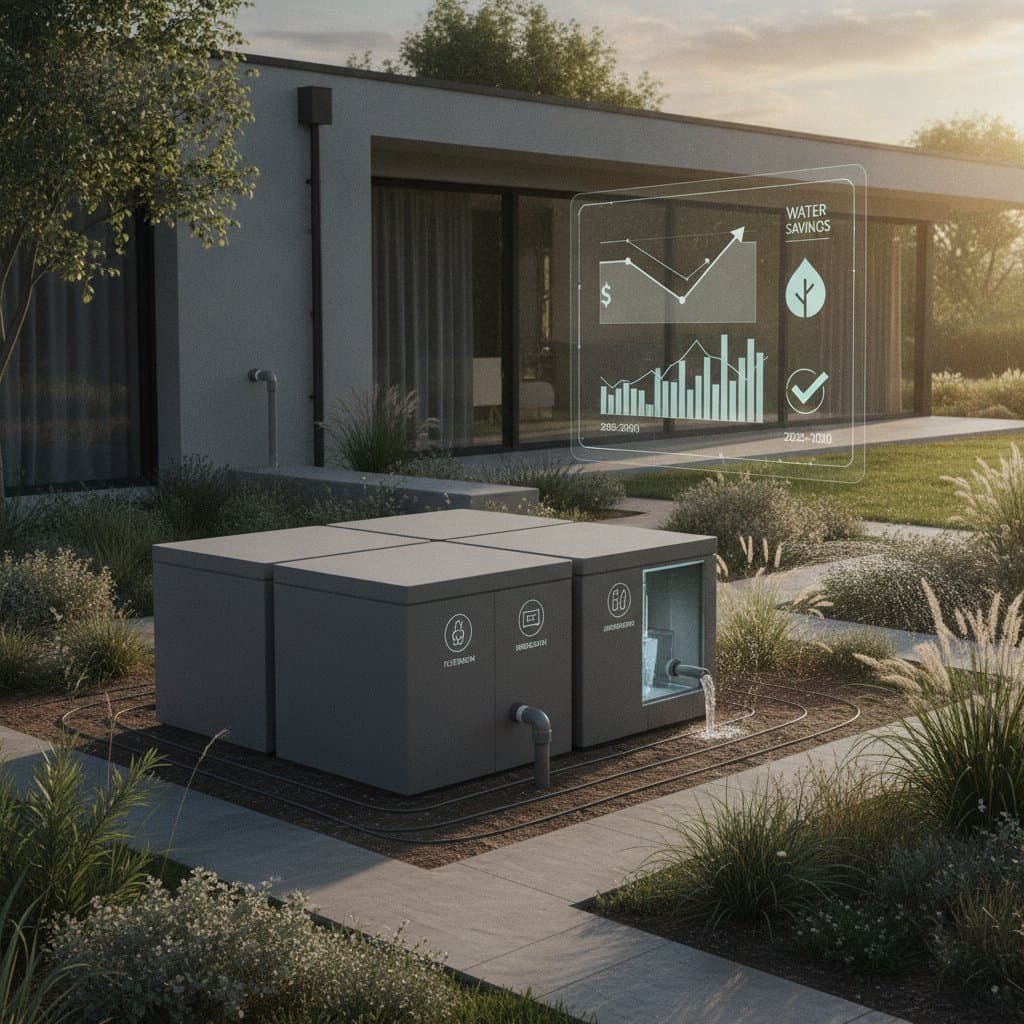
A properly designed system cuts outdoor water use by up to 40 percent. Savings often recover costs through lower bills and healthier landscapes. The installation also raises property value by showcasing sustainable features.
Keeping the System Effective
Maintain a simple log of filter changes and inspections. Notify contractors of buried lines before future landscaping. With accurate budgeting and code compliance, greywater systems deliver reliable savings and responsible water management for years.