Understanding Greywater Systems
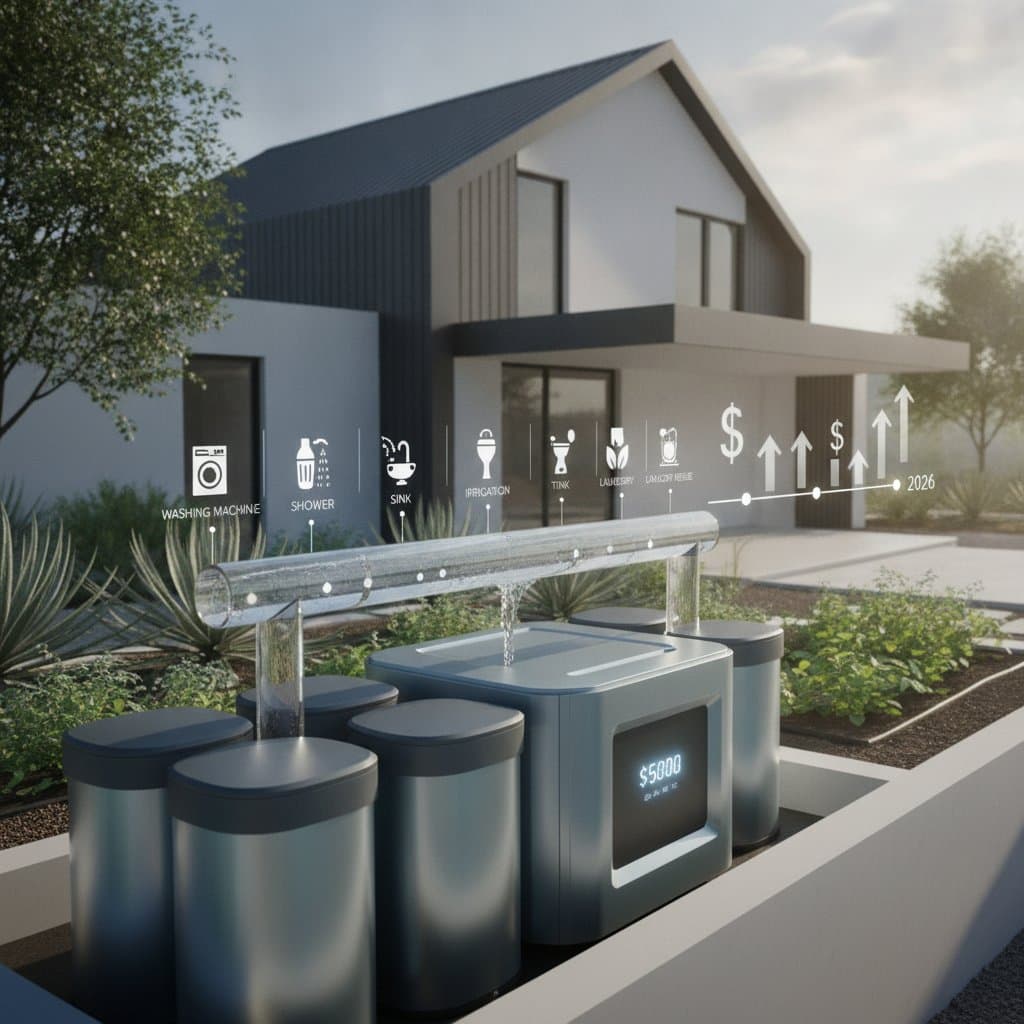
Greywater refers to lightly used water from household sources such as sinks, showers, and washing machines. These systems capture and redirect that water for irrigation or other non-potable uses, avoiding the need for fresh municipal supply. In regions facing water scarcity, such systems provide an effective method to conserve resources while addressing rising utility expenses.
Implementation requires careful planning to align with local regulations. Always consult your local building department prior to installation. Certain municipalities permit simple laundry-to-landscape setups without comprehensive approval, provided they incorporate gravity flow and exclude storage tanks.
Choosing Between DIY and Professional Installation
A basic gravity-fed greywater system suits homeowners with plumbing experience. Materials include PVC pipes, a three-way diverter valve, and standard fittings. Essential tools comprise a pipe cutter, Teflon tape, a drill, and a shovel. The typical DIY approach routes washing machine outflow via a diverter valve to subsurface irrigation lines.
Complex setups involving multiple plumbing fixtures, pumps, or advanced filters demand professional expertise. Engage a licensed plumber or certified greywater specialist for these projects. Professional services generally increase costs by $1,500 to $4,000, yet they guarantee adherence to codes and enhance system durability.
Maximizing Water Savings
An individual generates 25 to 45 gallons of greywater daily. For a household of four, this equates to over 35,000 gallons annually available for reuse. Such redirection can diminish reliance on municipal water by as much as one-third. In arid climates, this resource sustains landscapes that might otherwise suffer during shortages.
Effective designs balance greywater output with landscape needs. Consider these examples:
- One washing machine cycle yields 40 gallons, sufficient to irrigate 200 square feet of shrubbery.
- A single shower contributes 20 gallons, ideal for nurturing a modest flower bed via a branched drain.
- Integrate moisture sensors to deliver water precisely, avoiding excess that could harm roots.
These efficiencies translate to noticeable reductions in utility bills, particularly where pricing escalates with higher usage tiers.
Avoiding Frequent Installation Errors
Success hinges on sidestepping common oversights. Follow this guidance:
- Select appropriate cleaning products. Opt for biodegradable, low-sodium detergents to safeguard soil quality.
- Account for terrain gradients. Ensure greywater flows downward by gravity to eliminate stagnation and smells.
- Separate waste streams. Exclude any connection to blackwater lines handling toilet effluent.
- Incorporate filtration. Basic screens prevent lint and particles from obstructing distribution pipes.
- Regulate application rates. Position outlets at least two inches beneath mulch and modify output based on seasonal conditions.
Adherence to these principles maintains operational efficiency and protects your property from damage.
Ensuring Accessibility and Safety
Automated features benefit those with mobility challenges. Pumps and timers minimize physical effort in upkeep. Position control valves and switches at accessible elevations, between 36 and 42 inches from the floor. Bury irrigation emitters at a minimum depth of six inches to reduce risks from tripping or exposure, safeguarding children and animals.
For any indoor reuse applications, employ distinctively marked piping. Label lines as "Non-potable water" in contrasting colors to distinguish them from potable supplies. These measures foster usability and satisfy regulatory inspections.
Calculating Return on Investment
Assess financial viability before proceeding. A standard system priced at $4,000 might yield annual savings of $400 to $800 on water charges, recouping costs within five to eight years.
Begin by diagramming your residence's plumbing. Pinpoint greywater sources and measure distances to potential irrigation areas. This preparation informs design choices.
Sustaining Long-Term Benefits
Proper upkeep transforms a greywater installation into a reliable asset. Regular inspections catch issues early, preserving performance. Beyond cost reductions, these systems nurture vibrant gardens and contribute to broader environmental goals. Your initiative supports water conservation efforts that extend to the wider community.