Reduce Water Bills: Greywater Installation Costs in 2026
High water bills often result from everyday activities such as showering, washing clothes, and rinsing hands. These uses accumulate rapidly and strain household budgets. A greywater system offers an effective solution by capturing and reusing water from these sources without sacrificing convenience. This approach reuses water for irrigation or toilet flushing, leading to lower costs, greater environmental responsibility, and reduced demand on municipal supplies.
Functions of Greywater Systems in Residential Settings
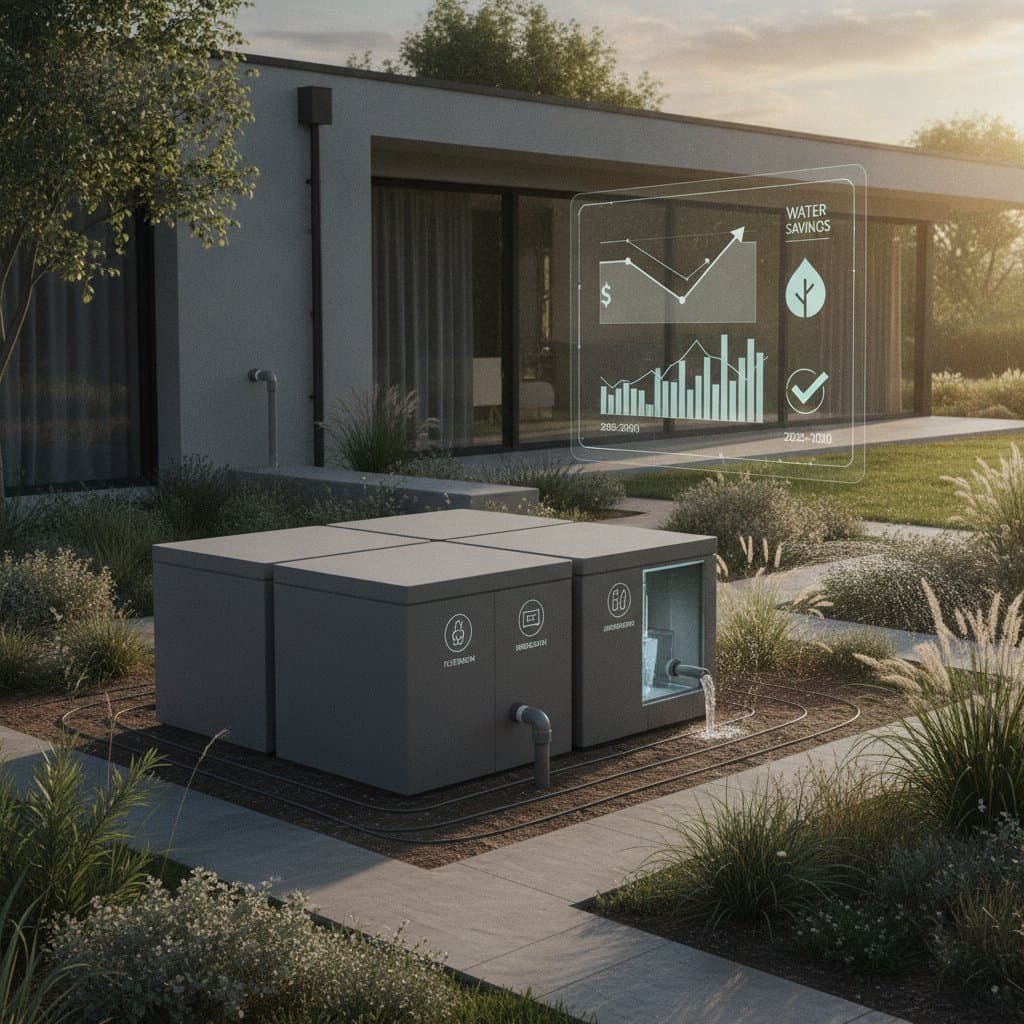
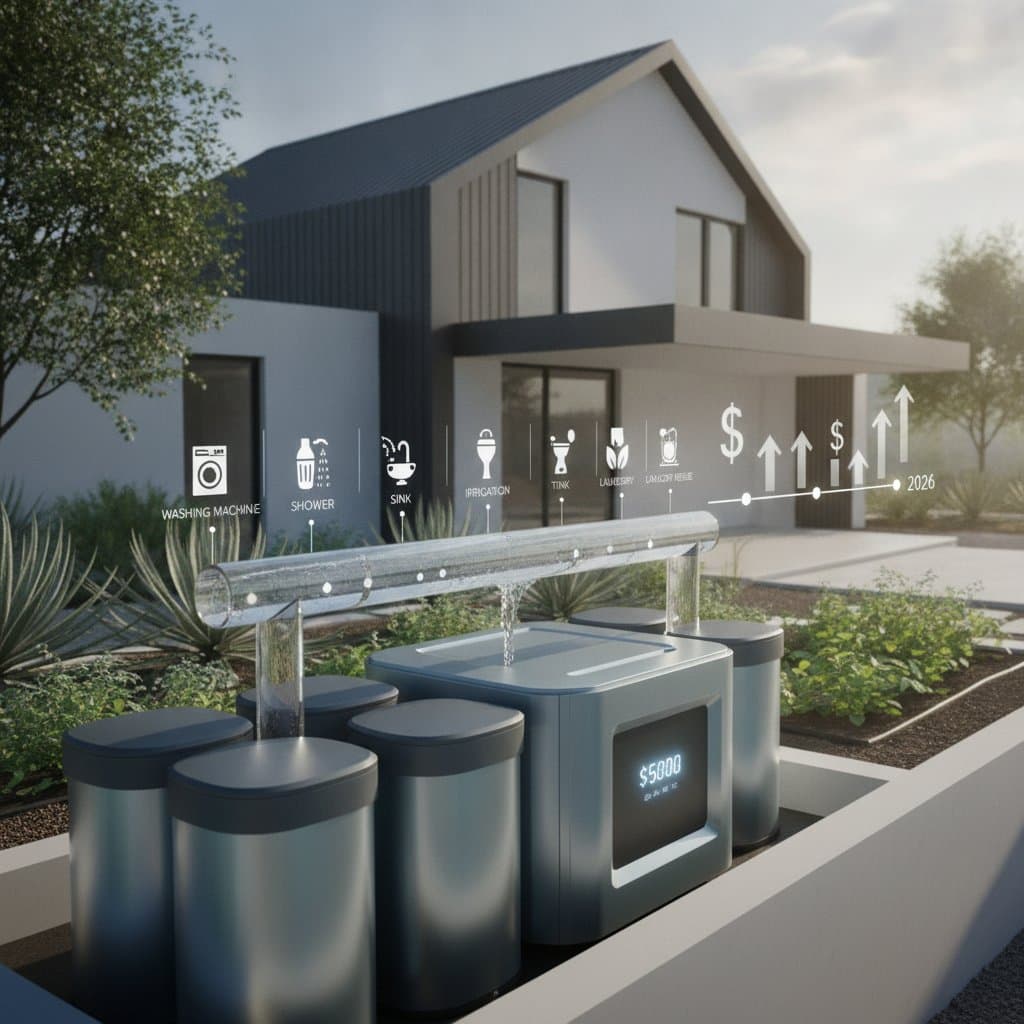
Greywater systems process wastewater suitable for non-potable applications. They gather water from bathroom sinks, bathtubs, and washing machines, apply filtration and treatment, and store it for later use. An efficient installation typically decreases overall household water consumption by 25 to 40 percent, varying with family size and irrigation requirements.
The most significant advantages appear in regions with substantial landscaping needs or where sewage fees align with water consumption. By repurposing already-paid-for water, monthly savings accumulate steadily over time.
Typical Installation Costs for Greywater Systems
The expense of installing a greywater system varies based on the model, property dimensions, and existing plumbing configuration. The following table provides standard cost estimates for common options.
| System Type | Installed Cost Range | Ideal Applications | DIY Potential |
|---|---|---|---|
| Laundry-to-landscape | $800 to $2,000 | Small gardens or single-source reuse | Moderate |
| Simple branched drain | $1,500 to $4,000 | Properties with straightforward plumbing access | Moderate |
| Filtered irrigation | $3,000 to $6,500 | Moderate-sized landscapes requiring regular watering | Low |
| Whole-home treatment | $7,000 to $15,000 | Expansive residences or indoor applications | Professional required |
Additional expenses may arise from plumbing modifications and excavation, particularly in homes without readily accessible lines. Retrofitting older structures often involves extra costs of $1,000 to $3,000 for pipe rerouting and diverter valve integration.
Essential Preparations for Greywater Installation
Thorough assessment precedes any installation. Key considerations include:
- Identify suitable sources. Select only water from sinks, bathtubs, and washing machines. Exclude lines from kitchens or toilets to maintain water quality.
- Allocate storage capacity. Systems generally require tanks holding 50 to 200 gallons, positioned for convenient access.
- Plan conveyance method. Gravity systems prove more economical but demand a minimum slope of 2 percent per foot of piping. Pumps become necessary for level or uphill routing.
- Ensure filtration maintenance. Position filters in accessible locations for routine cleaning every two to three months.
- Verify regulatory adherence. Consult local building codes or engage a licensed plumber. Requirements often include backflow preventers and clear labeling on greywater pipes.
Professionals guarantee compliance with health and plumbing standards. They also assist with permit applications where mandated.
Pitfalls to Sidestep in Greywater Implementation
While greywater systems operate on straightforward principles, improper execution leads to complications. Common oversights include:
- Combining incompatible waste streams. Avoid linking toilet or kitchen drains to greywater lines, as this introduces contaminants.
- Selecting inappropriate cleaning products. Opt for biodegradable, low-sodium soaps to safeguard soil and vegetation.
- Neglecting upkeep routines. Accumulated debris in filters and valves diminishes system effectiveness over time.
- Excessive application rates. Design irrigation to match soil absorption capacity, preventing surface runoff or saturation.
- Bypassing approvals. Unauthorized setups may result in fines or complications during property transactions.
Meticulous planning mitigates these risks, preserving system reliability and investment returns.
Advantages for Accessibility and Environmental Impact
Greywater systems enhance both practical accessibility and ecological sustainability. For individuals with limited mobility, automated features like remote-controlled valves minimize physical demands associated with outdoor watering. On the environmental front, redirecting 25 gallons per person daily equates to substantial monthly conservation for typical households. Such practices alleviate pressure on public water systems and decrease energy demands for heating and treatment.
Deciding Between DIY and Professional Installation
Individuals with plumbing experience may tackle a laundry-to-landscape setup independently. Essential tools encompass PVC cutters, adhesive, a drill, and a sloped path to planting areas. However, configurations involving pumps, advanced filtration, or extensive plumbing warrant expert intervention to align with local regulations.
Steps to Implement Greywater Effectively
Begin by analyzing current water consumption through meter readings or fixture audits. Pinpoint high-volume sources amenable to reuse, such as laundry or bathing. Select a system scaled to your needs; payback periods often range from two to five years, influenced by local rates and usage scale.
Each reused gallon conserves fresh resources, advances household efficiency, and elevates property appeal through demonstrated sustainability.