Why ADU Construction Costs Vary Dramatically by State in 2025
Accessory Dwelling Units, or ADUs, offer homeowners a practical way to add living space, generate rental income, or accommodate family. Research into ADU projects reveals stark price differences across states. A build that requires a modest budget in one location may demand twice as much in another. Homeowners who grasp these variations can set accurate budgets and decide confidently on their projects.
Key Factors Driving ADU Cost Differences
ADU expenses stem from several interconnected elements, including labor rates, material sourcing, permitting processes, and local regulations. State-specific economic conditions and policies create unique challenges and opportunities for builders. These factors determine not only the total investment but also the project timeline and design feasibility.
Labor and Contractor Rates
Skilled labor forms a primary expense in ADU construction. States with elevated cost of living, such as California or New York, command higher wages for tradespeople like electricians, plumbers, and carpenters. High demand in booming urban markets exacerbates this, as contractors prioritize projects with premium pricing. To manage this, homeowners should obtain quotes from at least three local firms and verify licensing through state boards.
In contrast, states like Texas or Idaho benefit from abundant labor pools and lower wage scales. Here, the same skilled work might cost 30 to 50 percent less. Seasonal factors also play a role; winter slowdowns in northern states can inflate rates due to reduced availability.
Material Prices and Availability
Sourcing materials such as lumber, concrete, and roofing components varies by regional supply chains. Coastal states often pay more for imported goods due to shipping premiums. For example, hurricane-prone areas require reinforced materials that elevate baseline costs by 20 percent or more.
States with strong manufacturing hubs, like those in the Midwest, enjoy lower prices through proximity. Homeowners can reduce expenses by selecting locally produced options or prefabricated kits, which cut transportation fees. Timing purchases during off-peak seasons further stabilizes costs against market volatility.
Permitting and Regulatory Fees
Local governments set permitting fees that range from $500 in streamlined districts to over $5,000 in restrictive ones. Progressive states like Oregon have simplified ADU ordinances, reducing paperwork and approval times to weeks. This efficiency lowers overall project costs by minimizing delays.
More conservative regions, such as parts of the Northeast, enforce rigorous zoning laws that demand environmental impact studies or neighbor notifications. These steps can add thousands in fees and months to timelines. Prospective builders should consult municipal planning offices early to map out requirements and explore variance options.
Land Preparation and Site Conditions
Site-specific challenges significantly impact budgets. Properties on sloped terrain or with unstable soil require extensive grading and reinforced foundations, potentially adding $10,000 to $20,000. Urban lots with narrow access complicate equipment delivery, increasing labor hours.
Rural or suburban sites with level ground and ample space simplify preparation. Homeowners can mitigate risks by commissioning a geotechnical survey before design phases. This upfront investment, often $1,000 to $2,000, prevents larger overruns from unforeseen issues like bedrock or flooding potential.
Utility Connections and Infrastructure
Integrating utilities demands careful planning, as costs differ based on existing infrastructure. In developed suburbs, tying into municipal water and sewer lines might cost under $5,000. Rural properties, however, often necessitate septic systems or extended power lines, pushing expenses to $15,000 or higher.
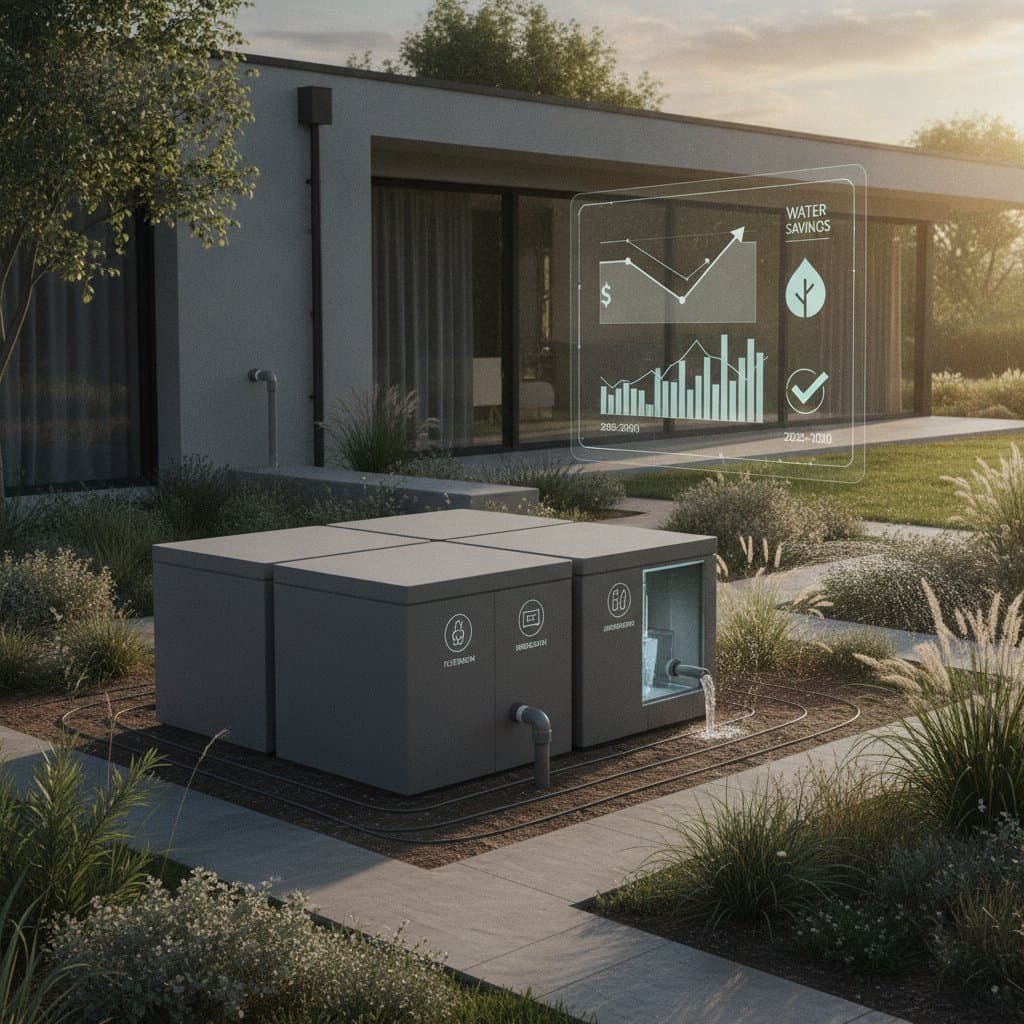
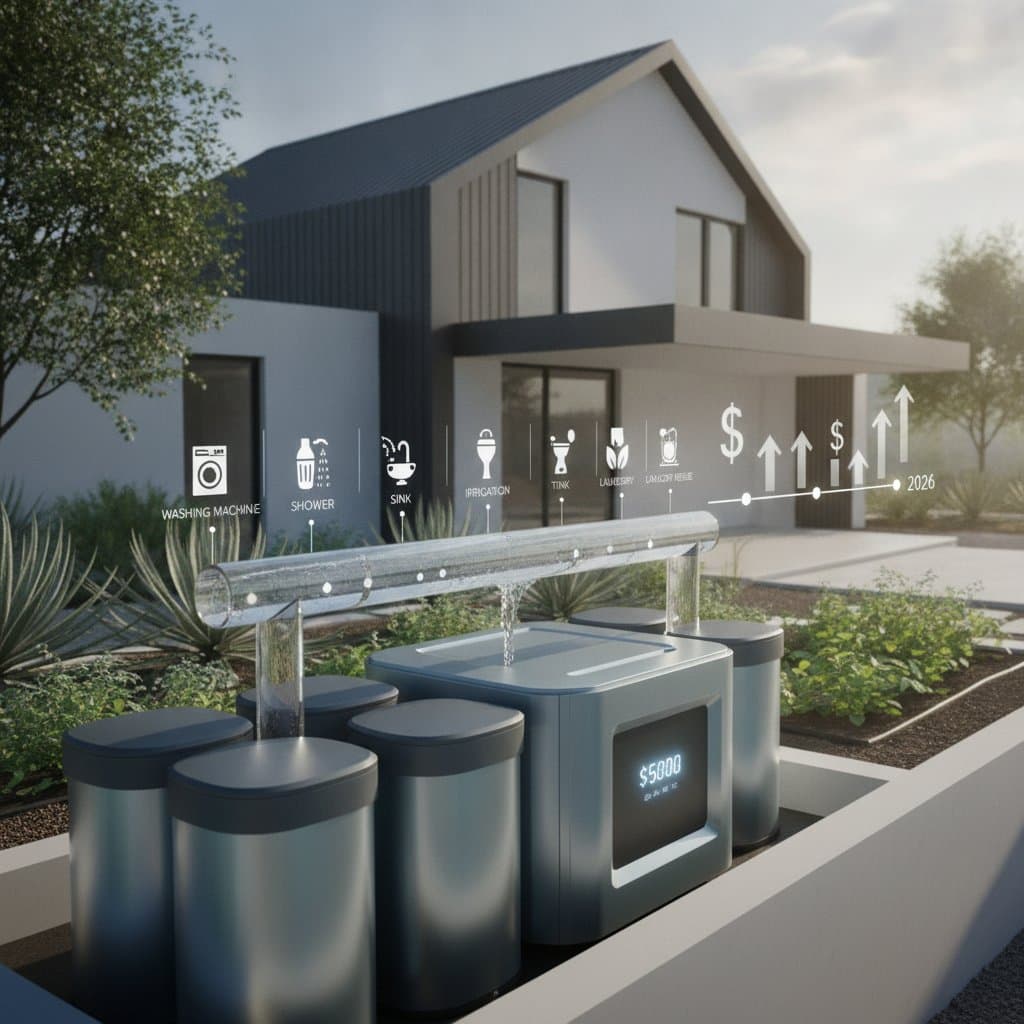
Environmental regulations in states like Washington mandate eco-friendly features, such as graywater recycling or energy-efficient wiring. These additions enhance long-term value but inflate initial outlays. Builders recommend budgeting 10 to 15 percent of the total for utilities and consulting local utility providers for precise estimates.
Navigating State-Specific Building Codes
Building codes prioritize safety while allowing innovation in ADU design. Forward-thinking states adopt model codes that permit compact units under 500 square feet or modular assemblies. This flexibility reduces material use and labor, trimming costs by up to 25 percent.
Traditional codes in other areas mirror primary residence standards, requiring full insulation, fire separations, and accessibility features. Compliance demands specialized engineering, which elevates expenses. Homeowners should review state-adopted International Residential Code amendments and engage architects familiar with local nuances to optimize designs.
Leveraging Financing and Incentives
Affordability improves through targeted state programs. California offers grants up to $40,000 for low-income ADU builds, while Washington provides interest-free loans for energy-efficient projects. These initiatives offset regulatory hurdles and material costs.
In states without robust support, private financing like home equity lines becomes essential. Homeowners qualify more easily by demonstrating rental income potential through market analyses. Exploring federal tax credits for green builds adds another layer of savings across all regions.
Steps to Build a Realistic ADU Budget
Effective budgeting begins with comprehensive research tailored to your location. Start by compiling average costs from recent local projects via builder associations. Factor in a 15 to 20 percent contingency for inflation or changes in material prices.
Next, assemble a team including a licensed contractor, architect, and permitting specialist. Their expertise uncovers hidden fees early. Track expenses with detailed spreadsheets that categorize labor, materials, and approvals.
Finally, simulate scenarios using online cost calculators adjusted for state averages. This approach reveals trade-offs, such as choosing prefab over custom to stay under budget. Regular reviews during planning keep the project aligned with financial goals.
Securing Your ADU Project's Success
An ADU enhances property utility and equity when approached strategically. Regional cost drivers shape every phase, from site assessment to final inspections. By prioritizing local research and professional guidance, homeowners minimize risks and maximize returns.
This preparation turns potential obstacles into opportunities, whether adapting to stringent codes or capitalizing on incentives. The result is a durable addition that meets immediate needs and supports future plans. With informed steps, your ADU becomes a seamless extension of home life.