Reduce Outdoor Water Use by 40 Percent with Greywater Systems
Homeowners confronting water restrictions and escalating utility bills increasingly adopt greywater systems. These systems repurpose lightly contaminated water from showers, bathtubs, and laundry for irrigating landscapes or flushing toilets. Understanding the associated costs, permit requirements, and tangible water savings proves essential before installation. Although initial expenses may appear substantial, the enduring advantages in conservation and bill reduction often justify the investment.
Functions of Greywater Systems
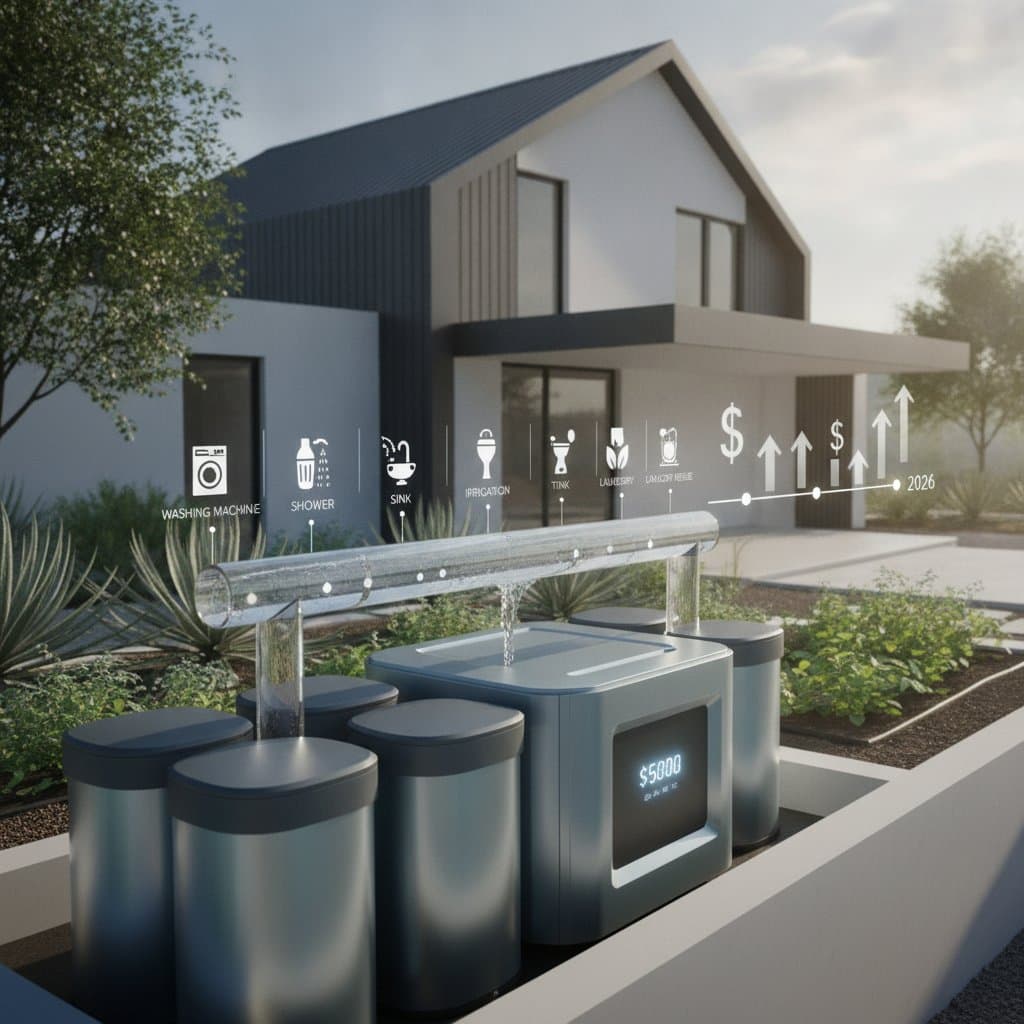
Greywater systems collect water destined for the sewer and redirect it after filtration for non-potable applications, such as lawn irrigation or toilet replenishment. Kitchen sink or toilet water remains excluded due to elevated contaminant levels. Through this separation and reuse, households achieve reductions in freshwater demand up to 50 percent, influenced by daily habits and regional factors.
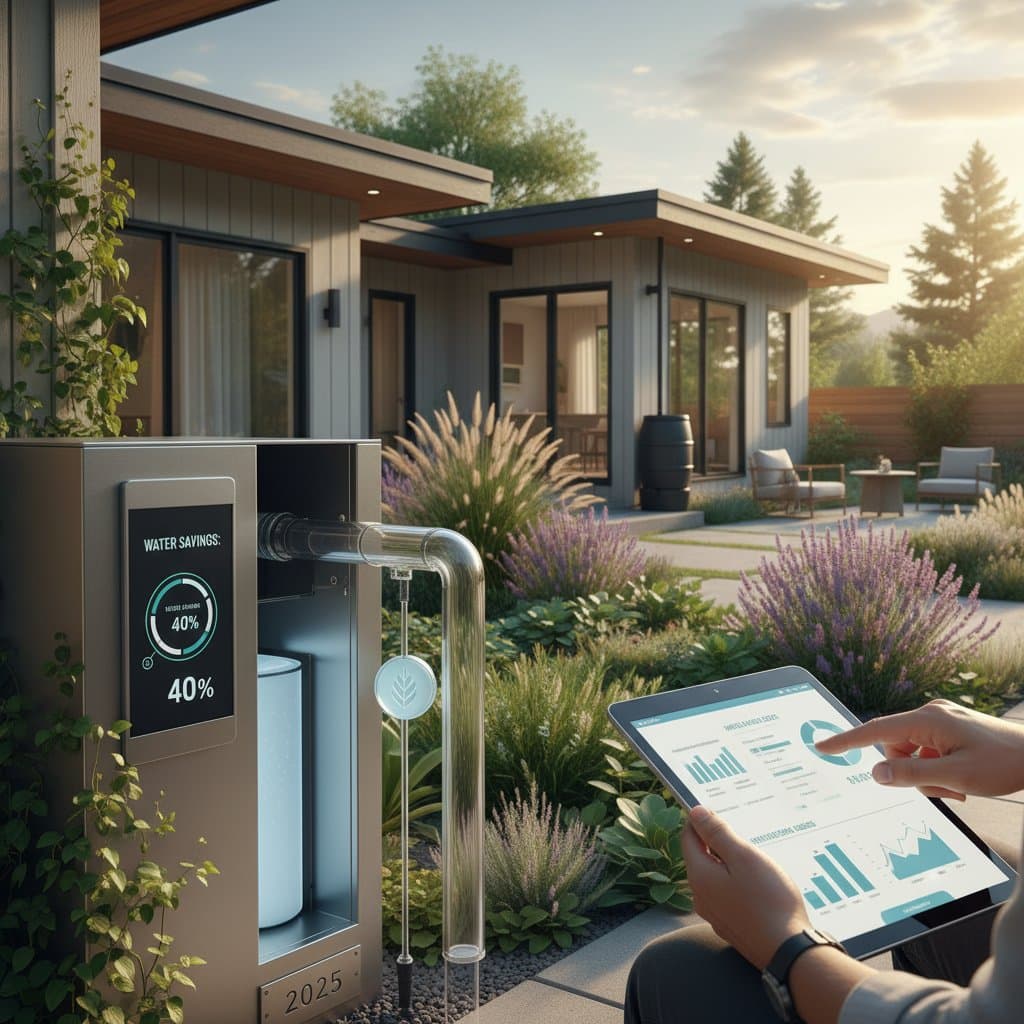
In arid zones subject to outdoor watering bans, greywater recycling proves invaluable. Homeowners sustain vibrant landscapes without augmenting public water supplies. Research from home improvement discussions indicates that residents in water-scarce regions diminish outdoor consumption by 40 percent via properly managed installations.
Cost Breakdown for Greywater Systems
System expenses vary based on design complexity, site dimensions, and plumbing demands. Regional labor costs and permitting charges further shape the total. The following outlines price ranges for prevalent configurations:
-
Basic Laundry-to-Landscape Units: These economical options average $700 to $2,000. They channel washing machine effluent directly to garden areas via gravity lines. Completion typically occurs within one day.
-
Branched Drain Configurations: Handling inputs from showers, bathtubs, and laundry, these range from $2,500 to $5,000, contingent on pipe accessibility and terrain.
-
Pumped and Filtered Setups: Incorporating pumps, filters, and reservoirs, advanced models cost $6,000 to $15,000. Such systems suit expansive homes or sites needing uniform pressure distribution.
-
Comprehensive Home-Wide Recycling: Full-scale operations, supporting both irrigation and toilet use, surpass $20,000 and demand expert design alongside ongoing upkeep.
Budget-conscious individuals frequently initiate with a rudimentary laundry diversion and upgrade subsequently. Insights from plumbing professionals suggest cost recovery spans five to seven years, varying with local rates and consumption levels.
Navigating Permits and Regulations
Local plumbing and environmental codes govern greywater installations, differing across jurisdictions. Permits become mandatory for setups exceeding simple laundry diversions. The application process entails plan submissions, inspection fees, and safeguards against potable water contamination.
Fees span $100 to $600 for modest systems and climb above $1,000 for intricate ones. Certain locales mandate certified professionals adhering to sanctioned blueprints, while others permit self-installation provided setback and drainage criteria align.
Prospective installers must consult municipal building offices prior to material acquisition. Select areas provide rebates or credits for compliant systems, mitigating upfront outlays. Conservation experts note that unregistered installations frequently forfeit available incentives.
Calculating Potential Savings
Savings hinge on family size, routines, and weather patterns. A household of four with average laundry and bathing generates 25 to 40 gallons daily for outdoor reuse. Annually, this equates to thousands of gallons conserved.
In high-cost regions, annual reductions reach $250 to $500. Indirectly, such practices alleviate municipal treatment burdens and stabilize soil hydration amid dry spells. Recycled-water landscapes exhibit enhanced vitality from steady moisture.
Realistic projections remain key; systems diminish rather than erase bills. They enhance drought resilience by enabling compliant outdoor maintenance.
Step-by-Step Installation Guide
Installation duration correlates with system sophistication. Gravity-based laundry units finish in one day using standard tools. Elaborate networks involving multiple sources or subsurface lines extend over several days.
Key phases include:
-
Site Evaluation: Identify eligible fixtures and assess plumbing feasibility.
-
System Planning: Map flow paths, filtration needs, and delivery areas.
-
Permit Acquisition: Lodge designs and fees with authorities.
-
Plumbing Integration: Fit diverters, conduits, and purifiers per specifications.
-
Performance Verification: Check for leaks, flow efficiency, and obtain official clearance.
-
Irrigation Linkage: Integrate with existing or new drip networks.
Self-assembly suits basic models, yet professionals ensure adherence and durability. Contractor involvement elevates costs by 20 to 30 percent but minimizes error-related expenses.
Upkeep and Durability
Routine care sustains efficiency and hygiene. Filters demand cleaning or renewal quarterly to avert obstructions. Inspect conduits for deposits and test pumps at intervals. Tank-equipped units require vigilance against stagnation and microbial proliferation.
Durable elements endure years under diligent oversight. Annual filter and part replacements total under $100. Major fixes, like pump overhauls, range $300 to $700 inclusive of labor.
Maintenance records facilitate monitoring and regulatory compliance.
Choosing Between DIY and Expert Installation
Self-directed efforts fit gravity-dependent, low-complexity designs needing basic skills and tools. Digital forums and video platforms abound with homeowner guides detailing builds under $1,000.
Expert intervention proves necessary for indoor integrations, pressurized operations, or excavation work. Specialists prevent blackwater intermingling and uphold sanitary protocols. The added expense yields robust, optimized outcomes.
Resolving Frequent Challenges
Performance hiccups arise occasionally:
-
Filter Obstructions: Lint and residues cause most; monthly rinses suffice.
-
Inconsistent Delivery: Pressure deficits or gradients disrupt; recalibrate angles or add boosters.
-
Unpleasant Smells: Stagnation in reservoirs; flush routinely and ventilate.
-
Contamination Hazards: Faulty valves risk backflow; equip with preventers.
Vigilant oversight and prompt fixes avert escalations.
Maximizing Greywater Benefits
Greywater adoption fosters eco-conscious habits and curbs reliance on public supplies. It fortifies against water shortages while nurturing landscapes consistently. Thoughtful scaling, regulatory adherence, and design precision secure prolonged returns.
Begin with modest implementations, master local mandates, and scale thoughtfully. Such strategies deliver dependable economies, elevate asset worth, and advance ecological stewardship.