Understanding Home Battery Costs Without Solar Integration
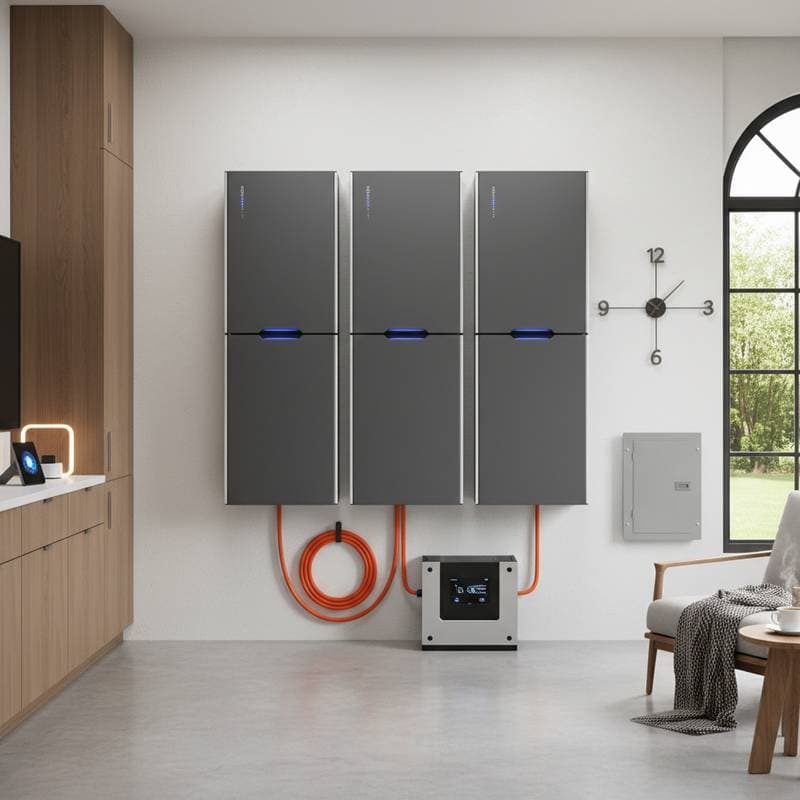
Home battery systems offer homeowners a reliable method to store and utilize electricity, independent of solar panels. These units draw power from the grid during off-peak hours and deliver it during outages or high-demand times. As energy reliability becomes a priority, evaluating the costs of such systems enables informed decisions that align with household needs and budgets.
In 2026, these batteries represent an accessible entry into energy independence. They support essential appliances and reduce reliance on unpredictable grid conditions. Planning involves assessing daily power usage and potential savings to determine the ideal investment level.
Defining the Typical Price Range
Standalone home battery systems without solar components generally range from $6,000 to $15,000. This spectrum accounts for variations in energy storage capacity and system scale. Entry-level models, which provide about 5 kilowatt-hours of storage, align with the lower boundary and suit modest backup requirements, such as powering lights and small devices for several hours.
Higher-end configurations, capable of 10 to 13 kilowatt-hours, approach the upper limit. These support whole-home needs, including major appliances like refrigerators or heating systems, over extended periods. Installation expenses, including labor and electrical modifications, often add 15 to 20 percent to the base price. Households with pre-existing electrical upgrades, such as dedicated subpanels, experience reduced additional costs in these areas.
Market trends indicate gradual price stabilization due to increased production efficiency. Consulting local energy providers or installers yields precise quotes tailored to regional labor rates and material availability.
Key Factors Shaping Pricing
Multiple elements determine the overall expense of a battery-only installation. Each contributes to the system's performance and suitability for specific homes.
-
Storage Capacity and Output Power – Larger capacities and higher discharge rates accommodate demanding loads, such as electric vehicle chargers or central air conditioning units. A 10-kilowatt-hour battery with robust output handles peak household demands more effectively than a basic model.
-
Manufacturer and Warranty Options – Premium brands, including Tesla Powerwall, LG Chem, and Enphase IQ Battery, command higher prices due to superior build quality and extended warranties, often spanning 10 to 15 years. These selections ensure dependable performance and responsive customer service.
-
Site-Specific Installation Challenges – Factors like building layout, distance from the main electrical panel, or environmental conditions influence labor requirements. For instance, mounting in a detached structure may necessitate additional cabling and protective enclosures, elevating expenses.
-
Inverter Integration – Systems with built-in inverters simplify setup and boost efficiency by converting stored direct current to usable alternating current on demand. Separate inverters, while flexible, introduce extra costs and potential efficiency losses.
-
Advanced Control Features – Integration with smart home ecosystems, remote monitoring via mobile applications, and automated load shifting capabilities enhance functionality. These additions, though increasing upfront investment, facilitate optimized energy use and integration with utility programs.
Reviewing product specifications and obtaining multiple bids from certified installers helps identify cost-effective combinations that meet performance goals.
Weighing DIY Against Professional Installation
Individuals with substantial electrical knowledge may explore self-installation to minimize expenses, potentially saving $2,000 to $4,000 in labor fees. This approach requires adherence to detailed manufacturer guidelines and local regulations. However, errors in wiring or configuration pose serious risks, including electrical fires or system failures.
Professionals bring expertise in energy storage integration, ensuring seamless compatibility with existing infrastructure. They manage permitting processes, perform safety inspections, and configure automatic transfer switches for outage response. Resources from industry forums emphasize the value of licensed experts, particularly for complex setups involving backup circuits or grid-tied operations.
To proceed, verify installer credentials through organizations like the North American Board of Certified Energy Practitioners. This step safeguards warranties and promotes safe, compliant installations.
Pathways to Cost Recovery and Added Value
A strategically chosen battery system recoups expenses through targeted energy strategies. Time-of-use pricing allows charging during low-rate periods, typically nighttime, and discharging when rates peak, potentially reducing bills by 10 to 30 percent annually. Calculate potential savings by reviewing utility rate schedules and estimating daily consumption patterns.
Beyond bill reductions, the system's role in outages preserves critical functions, such as medical equipment operation or food preservation. Quantifying this reliability benefit involves considering regional outage frequency and personal priorities.
Utility incentives further accelerate returns. Rebate programs, tax credits, and demand-response initiatives reward participation in grid stabilization efforts. For example, allowing controlled discharge during system-wide peaks can yield annual payments or discounts. Research available programs via state energy offices to maximize these opportunities.
Payback periods vary from 5 to 10 years, depending on usage and incentives. Long-term, these systems enhance property value by demonstrating energy resilience.
Strategies for Long-Term Maintenance and Optimization
Preserving battery efficiency demands consistent care. Schedule annual professional inspections to evaluate connections, update firmware, and test safety mechanisms. Maintain optimal operating temperatures, ideally between 50 and 77 degrees Fahrenheit, to prevent degradation.
Implement charge management practices, keeping levels between 20 and 80 percent to minimize cell stress in lithium-ion units. Monitor performance through companion applications, which alert to anomalies and track usage trends. Address issues promptly to avoid diminished capacity over time.
Emerging technologies, such as sodium-ion alternatives, promise lower maintenance needs and improved safety profiles. As these advance, upgrading becomes a viable option for enhanced longevity.
Securing Energy Reliability Through Informed Investment
Investing in a home battery without solar panels equips households with proactive control over power needs. By selecting appropriate capacity, prioritizing professional guidance, and engaging with incentives, owners achieve substantial savings and security. This approach fosters sustainable energy habits, preparing for future grid challenges while delivering immediate benefits in reliability and cost management.