Greywater Costs: Recycle Water, Save Big
Recycling household water ranks among the most effective strategies for lowering water bills and advancing sustainable living practices. Greywater systems enable homeowners to repurpose lightly soiled water from sinks, showers, and washing machines for tasks such as irrigation or toilet flushing. Homeowners often wonder about the affordability and value of such installations. A clear grasp of costs, setup choices, and potential savings clarifies whether this eco-friendly plumbing enhancement suits a particular home.
Understanding Greywater Costs
A greywater system gathers and treats wastewater from designated fixtures before redirecting it to non-drinking purposes. Installation expenses hinge on system complexity, water throughput, and application. Options range from basic manual diversions to sophisticated automated units equipped with pumps and advanced filters.
DIY Greywater System Costs
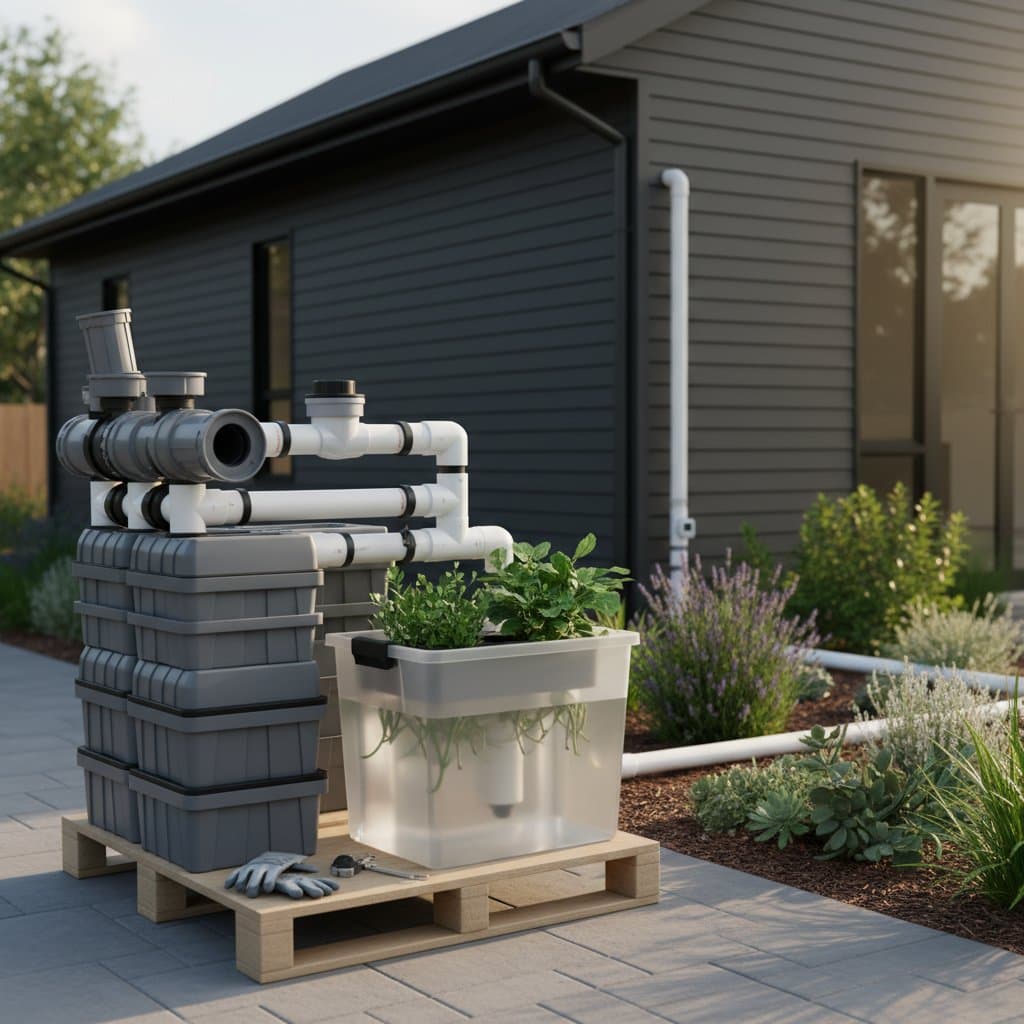
Individuals with foundational plumbing skills can assemble a modest greywater system at a modest price. For instance, a straightforward diversion that routes washing machine outflow to a garden bed typically requires $150 to $500 in supplies, covering hoses, valves, connectors, and rudimentary filters.
Incorporating enhanced filtration or subsurface irrigation elevates expenses to $800 to $1,200. Primary outlays involve piping, sealed fittings, and dedicated planning time to guarantee proper execution.
Although DIY approaches minimize initial spending, they demand meticulous engineering to avoid contamination or breakdowns. Compliance with municipal plumbing regulations remains essential, potentially necessitating inspections or approvals.
Professional Greywater System Costs
Engaging a licensed plumber or water management expert guarantees secure and optimized deployment. Pricing for professional setups fluctuates based on scale and features. A compact unit for a single bathroom or laundry area generally runs $2,000 to $4,000. Comprehensive whole-home configurations, complete with storage tanks, pumps, and digital controls, may exceed $6,000 to $12,000.
Such services encompass bespoke design, regulatory permits, and skilled labor. Certain advanced models sync with home automation for real-time oversight of water quality, incurring additional fees yet improving operational reliability and user safety.
Factors Affecting Greywater System Pricing
Multiple elements shape the total investment in greywater recycling:
- Home size and plumbing configuration. Expansive residences or intricate pipe networks demand extended piping and increased labor.
- Water volume. High-capacity systems necessitate sizable reservoirs and robust pumps.
- Filtration and treatment standards. Sophisticated components like ultraviolet sterilizers or chemical neutralizers raise acquisition and upkeep costs.
- Application scope. Configurations for toilet replenishment prove more elaborate than those for outdoor watering.
- Regulatory environment. Jurisdictions mandating permits or certified oversight inflate overall expenditures.
Weighing these aspects guides selection of a system aligned with practical needs and financial limits.
When DIY Saves and When It Costs More
A modest DIY endeavor suits scenarios limited to redirecting laundry or shower runoff to landscaping. Yet, ventures incorporating reservoirs, motorized elements, or diverse inputs risk complications like seepage, foul smells, or pollutant spread. Professional intervention then emerges as the wiser, more economical path over time.
DIY vs Professional: Making the Right Choice
Greywater deployment extends beyond mere pipe linkage. It entails comprehension of domestic water infrastructure, rigorous treatment protocols, and safeguards against mingling with drinking supplies. DIY and expert routes each serve distinct objectives tied to expertise and ambitions.
Benefits and Drawbacks of DIY
Benefits:
- Reduced initial expenditure
- Complete authority over customization and components
- Acquisition of practical plumbing and eco-management expertise
Drawbacks:
- Potential for seepage or pollutant ingress
- Liability for regulatory infractions absent thorough review
- Demanding setup and ongoing care routines
DIY configurations excel for adept project enthusiasts pursuing uncomplicated outdoor applications.
Benefits and Drawbacks of Hiring Professionals
Benefits:
- Specialized engineering and adherence to codes
- Assured functionality backed by guarantees
- Seamless fusion with current infrastructure and smart features
Drawbacks:
- Elevated starting investment
- Need for appointment coordination and vendor management
Expert deployments fit households targeting expansive, low-effort water recirculation.
Skill Level and Safety Considerations
Altering plumbing carries hazards if mishandled. Greywater must remain segregated from blackwater sources like toilets or kitchen sinks. Robust anti-backflow measures and treatment protocols prove vital for health protection. Novices or the uncertain should prioritize professional assistance.
Time Commitment Comparison
Assembling a basic DIY unit might span a single weekend. Expert projects often extend across multiple days for planning, approvals, and execution. The variance reflects the effort invested in regulatory study and technical precision.
Your Greywater Questions, Answered
Industry specialists address frequent inquiries below.
What is greywater?
Greywater refers to effluent from showers, bathtubs, lavatories, and laundry appliances. It excludes outputs from toilets or food preparation areas, classified as blackwater.
How much money can I save with a greywater system?
Savings depend on family composition and consumption patterns. Numerous users achieve 20 to 50 percent reductions in water charges post-implementation.
Is greywater safe for garden irrigation?
Affirmative, provided adequate filtration occurs. Refrain from applying it to food crops without certified treatment.
Do I need a permit for a greywater system?
Permanent setups, particularly those interfacing with interior lines, often demand authorization in various locales. Verify regional stipulations prior to commencement.
How often does a greywater system need maintenance?
Basic models require filter servicing every few months. Elaborate variants with reservoirs or drives warrant yearly professional inspections to uphold purity.
Can greywater be stored for later use?
Any retained greywater demands prompt treatment or deployment within 24 hours to curb microbial proliferation. Designs typically favor on-demand utilization.
What happens if the system fails?
Robust builds feature fail-safes like automated halts or sewer rerouting upon blockages or malfunctions, averting inundation or taint.
Are there odor problems with greywater?
Effective treatment and swift application eliminate scents. Idled or raw volumes may generate smells, underscoring the importance of routine upkeep.
Can I retrofit an existing home?
Certainly, although adaptations in established structures incur higher costs than integrations during builds. Experts assess pipe arrangements for viability.
What type of filtration is used?
Standard methods encompass sieve barriers, granular media beds, or microbial digesters that eliminate residues and particulates. Premium setups incorporate ultraviolet disinfection for enhanced assurance.
How long does a greywater system last?
Regular care sustains most installations for 10 to 15 years prior to significant part renewals.
What are red flags when hiring a contractor?
Steer clear of providers bypassing approvals, lacking endorsements, or proposing illicit ties to culinary lines. Confirm credentials and track record.
What should I do before installation?
Map water pathways, designate reuse zones, and consult codes. Ensure unobstructed access to conduits and exterior spaces.
Are there seasonal considerations?
Winter conditions necessitate insulation for lines and vessels against frost. Arid periods may intensify usage for watering needs.
How to Decide: Your Step-by-Step Guide
Selecting a greywater solution requires balancing economic and ecological priorities.
Step 1: Assess Your Situation
Pinpoint primary greywater generators in your residence, such as restrooms and wash zones. Specify reuse intentions, from turf hydration to lavatory refill.
Step 2: Evaluate Skills and Resources
Plumbing proficiency and straightforward designs favor self-installation. For assurance, engage verified specialists.
Step 3: Calculate True Costs
Account for supplies, workforce, care, and fees. Offset against utility reductions and incentives for green modifications.
Step 4: Assess Risks
Faulty assemblies threaten supply purity or structural integrity. Gauge tolerance for such uncertainties.
Step 5: Make the Final Decision
Harmonize expenses, ease, and enduring eco-benefits. Alignment with dwelling specifics, finances, and upkeep preferences determines the optimal path.
Preparing for Your Greywater Project
Thorough groundwork accelerates deployment and maximizes efficiency. Advance preparation safeguards welfare and fiscal prudence, regardless of approach.
Research and Planning
Study greywater mechanics and scrutinize local ordinances. Sketch your property's hydraulics to select connectable outlets.
Site Preparation
Clear work zones of obstacles, ensuring stable ground for any external elements. Secure materials against weather and verify utility disconnections where needed.
Timeline and Budgeting
Outline phases: initial assessment, procurement, execution, and testing. Allocate funds across categories, building in 10 to 20 percent buffers for unforeseen adjustments.
Smart Budgeting Tips
- Solicit estimates from several vendors.
- Inquire regarding incentives for conservation technologies.
- Select resilient components to minimize subsequent fixes.
- Reserve funds for periodic filter and part renewals.
Implementing Your Greywater Solution
Transition from planning to action with these targeted measures. Focus on precision to unlock sustained water autonomy and environmental gains.