Smart Appliances: What Home Warranties Really Cover
Smart appliances integrate seamlessly into modern households. Refrigerators that monitor inventory and washing machines that notify users via smartphone enhance efficiency. However, malfunctions reveal gaps in coverage. Homeowners benefit from clarifying warranty protections for these devices to minimize expenses and disruptions.
Understanding Smart Appliance Warranty Coverage
A home warranty functions as a service contract for repairing or replacing major household systems and appliances due to wear and tear. Standard appliances such as ovens, washers, and dishwashers receive routine protection. Smart appliances introduce challenges because they combine mechanical operations with digital interfaces.
Core Coverage Basics
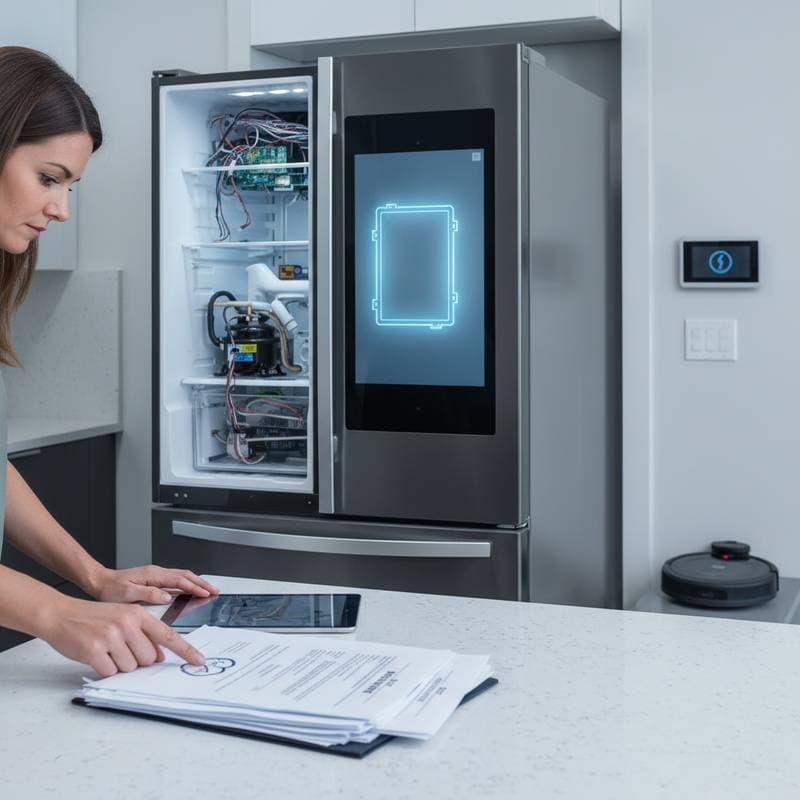
Warranty plans generally address mechanical and electrical elements essential to primary operations. Coverage extends to components like the compressor in a smart refrigerator or the heating element in a connected oven. Digital enhancements receive limited attention under these agreements.
Digital and Connectivity Components
Sensors, circuit boards, and software enable network communication in smart appliances. Providers frequently exclude issues with Wi-Fi modules, touchscreens, or firmware glitches. Loss of app connectivity or voice command responsiveness often falls outside protected areas.
Manufacturer vs Home Warranty Coverage
Manufacturer warranties address initial defects in materials and workmanship for a defined duration. Home warranties activate post-expiration but seldom overlap on digital elements. Policyholders must examine both documents to pinpoint protections and limitations.
Factors That Affect Smart Appliance Warranty Coverage
Multiple elements influence protection for connected devices. Awareness of these aspects establishes practical claim expectations.
- Type of Appliance: Refrigerators and washing machines secure broader safeguards compared to minor accessories.
- Age of Equipment: Vintage models face partial reimbursements or exclusions when parts become scarce.
- Cause of Failure: Plans respond to wear and tear but exclude accidents, misuse, or software faults.
- Technology Integration: Problems arising from third-party connections, like home assistants, may lack coverage.
- Service Availability: Limited expertise among technicians can delay resolutions or restrict choices.
These considerations support proactive planning for maintenance and repairs.
DIY vs Professional Warranty Claims
Appliance issues prompt decisions between self-diagnosis and expert intervention. Each approach presents distinct advantages and risks.
DIY Troubleshooting
Initial steps include powering down the unit briefly to reset functions. Reestablish Wi-Fi links and install software updates. Inspect for obstructions in vents, filters, or wiring.
Successful fixes conserve resources and bypass fees. Advanced interventions risk invalidating agreements by compromising internal components.
Professional Service
Providers dispatch certified technicians versed in brand-specific repairs. This method upholds compliance with standards and preserves eligibility. It suits intricate problems spanning mechanical and digital realms.
Your Smart Appliance Warranty Questions, Answered
Industry professionals address frequent inquiries below.
What does a typical home warranty cover for smart appliances?
Plans protect mechanical and electrical failures impacting essential operations. Contracts rarely encompass digital or software malfunctions without specific provisions.
Are smart home hubs or apps included under warranty?
These elements qualify as add-ons or external software. Sync failures with voice assistants typically receive no support.
Does a power surge void my coverage?
External damages from surges or lightning exceed wear-and-tear definitions. Surge protectors mitigate such risks effectively.
What happens if my appliance loses Wi-Fi connectivity?
Core functions like cooling or washing remain operational without connectivity. Providers classify connection losses as software concerns outside scope.
Are replacement parts for smart appliances more expensive?
Specialized items such as circuit boards exceed costs of conventional parts. Unavailable components may yield cash equivalents for basic models.
Should I buy an extended warranty for smart features?
Dependence on remote access justifies targeted extensions. Scrutinize terms to align with usage patterns.
Can I transfer my warranty when selling my home?
Transferability applies to most plans. This feature enhances property appeal for equipped residences.
How do I file a claim for a smart appliance?
Reach the provider's service line with precise symptom descriptions, including mechanical and digital aspects. Assignments follow based on device specifications.
What voids my warranty?
Independent modifications, neglected upkeep, or unauthorized parts trigger denials. Adhere to guidelines and maintain schedules diligently.
Do smart appliances require special maintenance?
Firmware refreshes, network stability, and cleaning sustain performance. Oversights lead to issues ineligible for claims.
Can I choose my own repair company?
Policies vary; many mandate network providers. Verify options prior to arrangements.
Does software obsolescence affect coverage?
Discontinued support for legacy systems limits future software resolutions under warranties.
How to Decide: Your Step-by-Step Guide
Coverage decisions balance expenses, ease, and uncertainties. These steps guide informed selections.
Step 1: Review Existing Coverage
Examine manufacturer and home warranty terms for connected element inclusions.
Step 2: Evaluate Your Technology Dependence
Daily reliance on smart functions warrants enhanced plans. Infrequent use aligns with basic mechanical protections.
Step 3: Calculate Long-Term Value
Weigh repair costs against premiums to gauge ongoing viability.
Step 4: Assess Service Availability
Investigate local technician access for smart repairs to anticipate timelines.
Step 5: Make an Informed Choice
Select based on reviewed factors, prioritizing comprehensive safeguards for valued devices.
Steps to Safeguard Your Connected Appliances
- Document Your Appliances: Log model details, acquisition dates, and policy specifics.
- Keep Receipts and Serial Numbers: These records streamline claim processes.
- Perform Regular Updates: Firmware maintenance averts connectivity disruptions.
- Schedule Preventive Maintenance: Inspections and cleanings forestall failures.
- Review Policy Terms Annually: Adapt to technological shifts for sustained security.
Strategies for Long-Term Protection of Connected Homes
Consistent vigilance extends appliance longevity. Integrate warranty insights into routines for reliable performance. This approach secures investments against evolving smart home demands.