Discover 2025 Greywater Costs and Long-Term Savings
Greywater systems offer homeowners a practical method to reduce utility bills and minimize waste. With rising water prices and expanding conservation incentives, reusing household water represents both a sustainable and financial strategy. These systems recycle water from showers, sinks, and laundry for irrigation or toilet flushing, potentially cutting total freshwater use by half. Homeowners benefit from understanding the associated costs, advantages, and upkeep to decide on installation with confidence.
What Greywater Systems Do
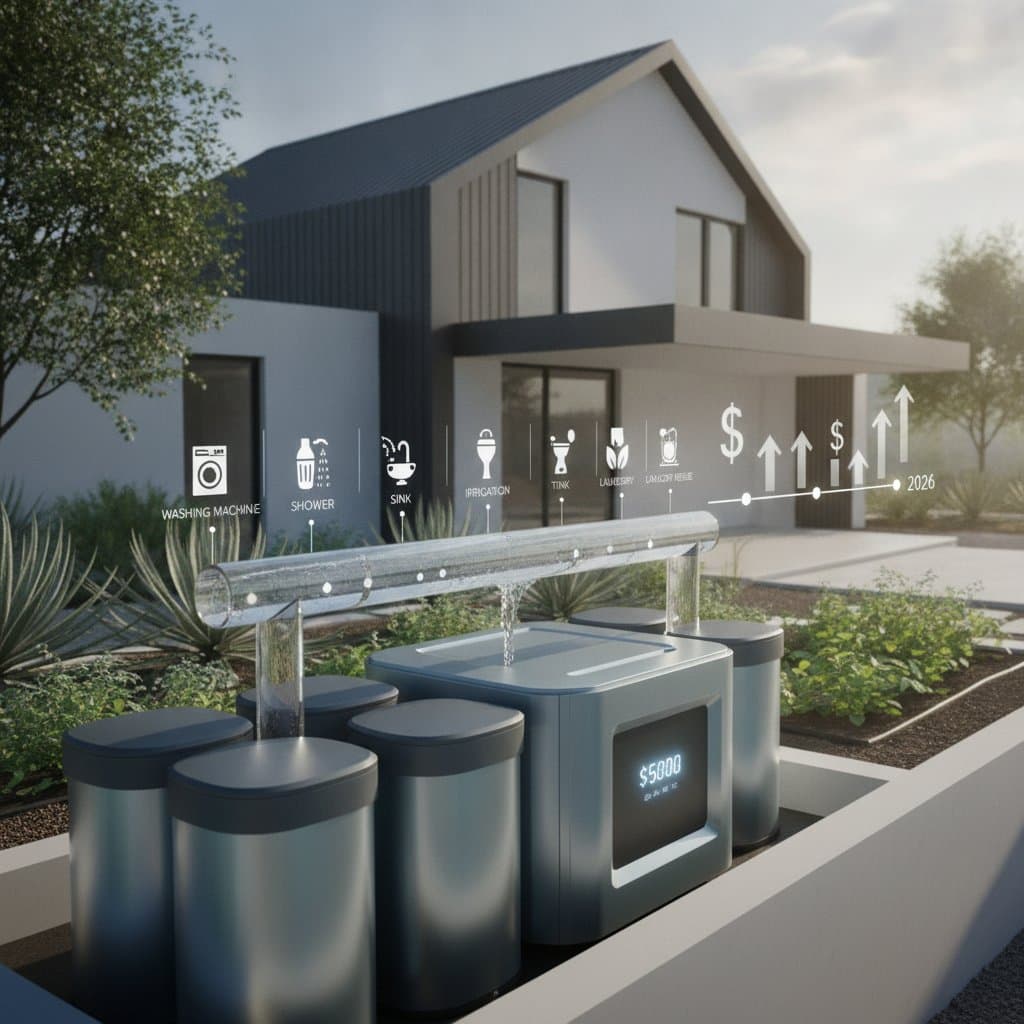
Greywater refers to the mildly contaminated water from daily activities like bathing, laundry, or dishwashing by hand. This water differs from blackwater, which originates from toilets and kitchen sinks and demands complete treatment. A greywater system collects this water, filters it, and redirects it for secondary purposes.
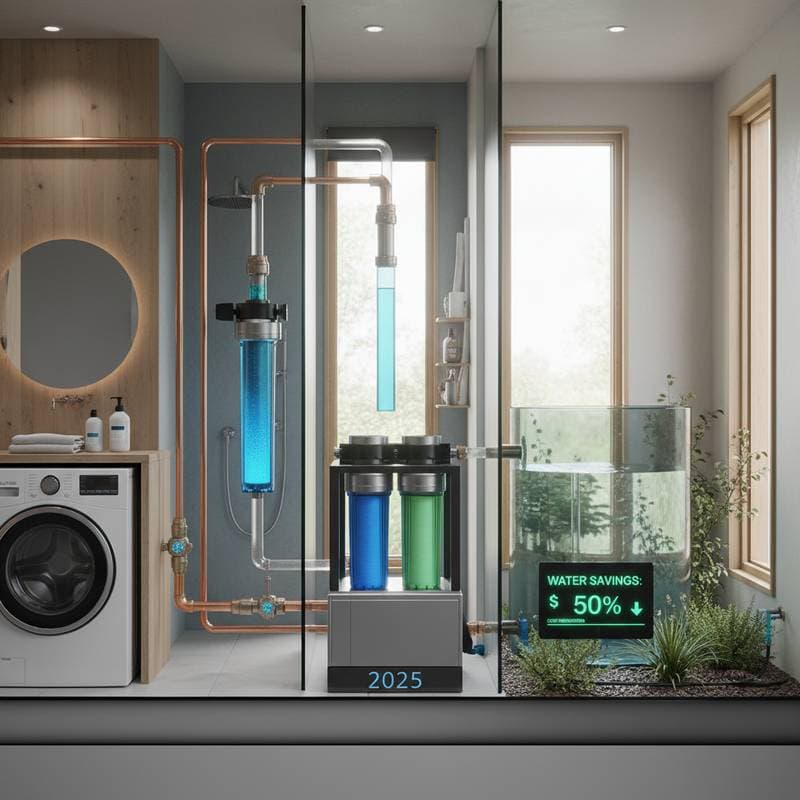
Basic setups use gravity to channel laundry water to garden areas. Advanced versions incorporate pumps, filters, and disinfection to store and deliver treated water indoors or outdoors. Selection hinges on property configuration, existing plumbing, and family water patterns.
Average Costs of Greywater Systems
Costs for greywater systems fluctuate based on scale, intricacy, and treatment intensity. Entry-level options start at several hundred dollars for components and self-installation. Sophisticated integrations for irrigation or toilet use reach thousands, factoring in expert labor and approvals.
Key expense elements encompass:
- System size and capacity: Units for small homes cost less than those managing multiple sources like bathrooms and laundry.
- Filtration and treatment elements: Simple screens prove economical, whereas UV or biological filters command higher prices for superior purity and longevity.
- Storage tanks and pumps: Designs requiring reservoirs demand sturdy tanks and dependable pumps, increasing both expense and oversight.
- Plumbing adjustments: Modifications to current lines or addition of valves ensure separation from drinking water supplies.
- Permits and inspections: Certain locales mandate approvals, particularly for indoor connections.
Plumbing experts indicate that full setups typically range from a few thousand dollars, with expansive versions nearing five figures amid digging and controls. Although the initial outlay proves substantial, cumulative savings often recoup the investment.
Comparing DIY and Professional Installation
Skilled homeowners can assemble a fundamental laundry-to-landscape system using basic tools. These gravity-based designs demand only essential plumbing knowledge. Kits from specialists provide fittings and step-by-step instructions.
Professional approaches handle complex distributions for irrigation or appliance feeding. Licensed experts guarantee adherence to regulations and safety. Such services minimize contamination hazards through robust filtration.
DIY benefits include:
- Reduced expenses, frequently below one thousand dollars
- Prompt initiation of savings
- Options for future adjustments
Professional benefits include:
- Enhanced efficiency and dependability
- Alignment with codes and safety protocols
- Superior durability and guarantees
The choice rests on plumbing proficiency, regional rules, and automation preferences.
Long-Term Savings on Water Bills
These systems diminish household consumption by 30 to 50 percent, contingent on the volume redirected to irrigation or flushing. In arid regions or high-rate zones, annual reductions reach hundreds of dollars. Over ten years, the setup recovers costs and yields ongoing gains.
Municipal rebates or tax credits for such installations cut initial expenses by hundreds. These aids render professional options more accessible.
One homeowner shared on a sustainable plumbing forum that a mid-tier irrigation system halved monthly bills. Another detailed on a renovation site how theirs recouped in six years via lowered municipal draws and landscape watering.
Maintenance and Operation Costs
Greywater systems require ongoing attention. Filters demand cleaning quarterly, tanks need inspections, and pumps warrant efficiency checks. Yearly upkeep stays low, often under a few hundred dollars for self-managed care.
Essential tasks cover:
- Routine filter cleaning or replacement
- Line flushing against blockages
- Tank checks for buildup or smells
- Pump and valve leak assessments
- Maintenance documentation for warranties or reviews
Annual expert checks sustain performance, vital for indoor applications. Proactive measures avert repairs and prolong component life.
Environmental and Lifestyle Benefits
Reusing greywater extends past monetary gains. Each conserved gallon eases municipal demands and preserves local supplies. Irrigation with greywater delivers plant nutrients like phosphorus and nitrogen.
Sustainable families find these systems promote eco-friendly routines. Visibility of water flows fosters deliberate usage. Users often select biodegradable soaps to safeguard system function and ecosystems.
A sustainable design analysis revealed homes with these systems cut municipal water by up to 40 percent yearly. Participants noted heightened monitoring, yielding additional efficiencies.
Factors That Influence Payback Time
Return periods vary with investment size, local rates, efficiency, and household scale. Low-cost water areas extend recovery timelines. High-demand or pricey locales accelerate benefits.
A family-sized unit for four often rebounds in six to eight years. Irrigation-linked larger setups hasten returns through greater offsets. Incentives trim this by one to two years.
To gauge personal payback:
- Examine recent water statements.
- Tally yearly consumption.
- Project greywater substitution volume.
- Apply local rates for savings estimate.
- Divide system cost by annual savings for timeline.
Safety and Compliance Considerations
Safety dominates greywater handling. Designs prevent potable cross-contamination via backflow devices and pipe labels. Expert consultation aligns with health norms.
Avoid bleach or harsh chemicals in contributing activities, as they injure plants and parts. Opt for low-sodium, phosphate-free cleaners to benefit systems and surroundings.
Verify local guidelines pre-installation. Restrictions may limit to buried irrigation, while others permit flushing. Compliance avoids rework or penalties.
Integrating Greywater with Other Sustainable Systems
Greywater complements rainwater collection or precise watering. Pairing balances seasonal supplies, with rainwater aiding outdoors and greywater indoors.
Solar pumps and sensors optimize operations. Automated monitoring cuts manual efforts and energy. Initial additions enhance savings despite added cost.
Sustaining Greywater Efficiency
Post-installation, treat the system as a durable resource. Consistent upkeep, targeted enhancements, and aware usage preserve value. Log activities, inspect routinely, and refresh filters per guidelines.
Well-tended units endure over a decade. Amid tightening resources, independent reuse bolsters home fortitude and green profiles.
Advancing Household Water Efficiency
Greywater adoption slashes expenses while advancing conservation. From basic outdoor diversions to comprehensive integrations, each advance lightens public loads and trims bills.
Technological progress and user experiences affirm: reduced outflows, greater autonomy, and tangible waste cuts.