Essential Granny Pod Costs and Zoning Laws for 2025
Granny pods, often called backyard cottages or accessory dwelling units, enable families to support aging relatives with proximity and privacy. These compact structures deliver convenience and security on the property, but they involve distinct financial and regulatory hurdles. Families who grasp these elements can streamline planning and sidestep potential setbacks.
Key Components of a Granny Pod
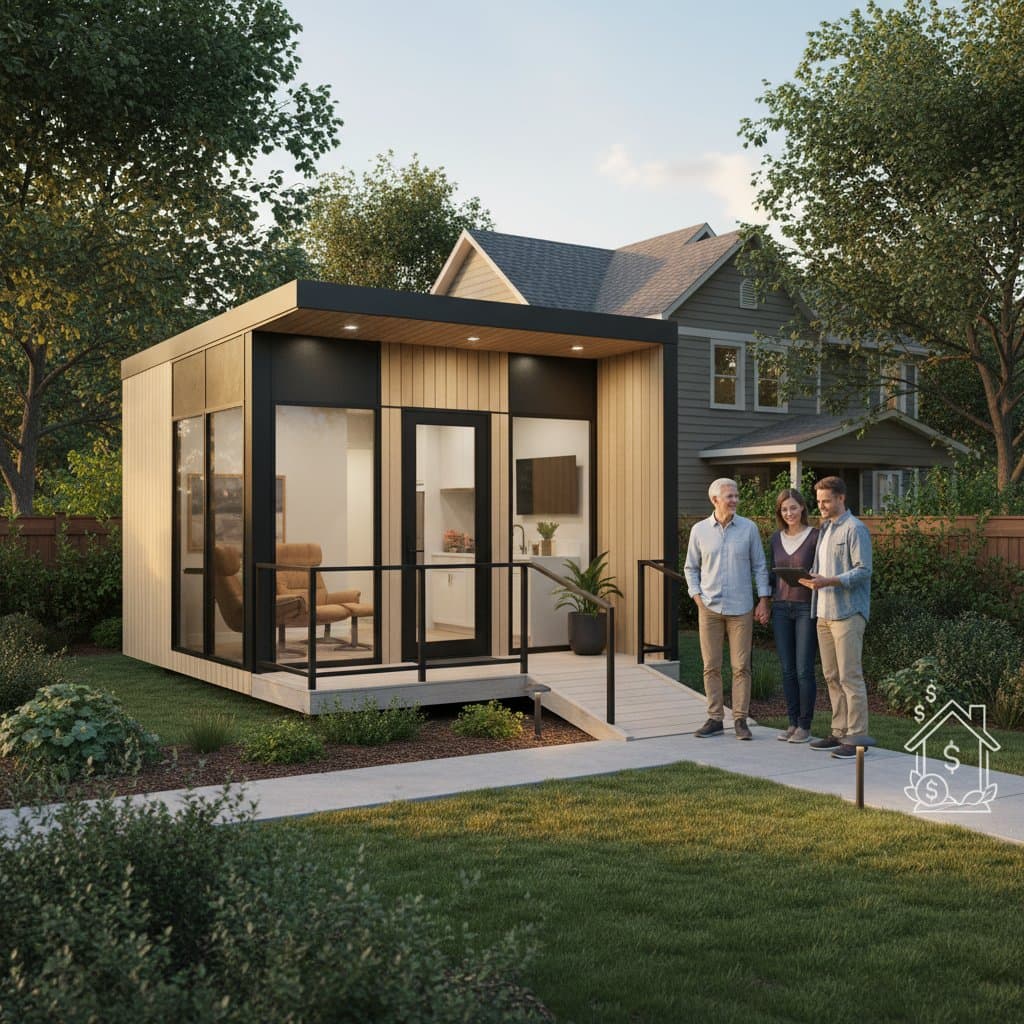
A granny pod typically stands as a detached building in the backyard, featuring a bedroom, bathroom, kitchenette, and living space. Designs frequently incorporate accessibility elements such as wider doorways, ramped entrances, and safety aids like grab bars or alert systems. The aim remains to foster a secure, homelike environment tailored to mobility needs.
Homeowners often repurpose existing sheds or construct new units entirely. Prefabricated options prevail for their efficiency, cutting assembly time significantly. Experts in home renovation observe that these units trim labor expenses by approximately 20 percent relative to custom constructions, although bespoke features might prove restricted.
Detailed Cost Breakdown
Granny pod expenses fluctuate based on size, materials, location, and regulatory demands. Families should anticipate costs across multiple areas, with total investments ranging from $80,000 to $200,000 for a standard 400- to 800-square-foot unit in 2025. Consider these primary categories:
-
Construction or Purchase Price
Prefabricated models start at $50,000 for basic setups and climb to $150,000 for units with advanced amenities. Enhancements like energy-efficient insulation, solar integrations, or durable flooring elevate prices by 15 to 30 percent. -
Site Preparation Expenses
Tasks such as land leveling, foundation pouring, and utility trenching contribute $10,000 to $25,000. Properties with uneven terrain or vegetation may require extra grading or clearing, adding $5,000 or more. -
Utility Hookups
Connecting to water, sewage, and power lines demands $8,000 to $20,000, depending on distance from the main house. Strict codes in some regions mandate separate metering, which increases complexity and fees. -
Permits and Regulatory Fees
Applications for building permits, zoning variances, and inspections total $2,000 to $10,000. Urban areas often impose impact fees for infrastructure strain, potentially reaching $5,000 per unit. -
Interior and Accessibility Finishes
Basic flooring, cabinetry, and fixtures cost $15,000 to $30,000, while premium selections can exceed $50,000. Prioritize slip-resistant surfaces and lever handles to meet accessibility standards without excess spending.
Homeowners with construction knowledge who oversee projects personally may lower overall costs by up to 25 percent. Professional involvement ensures adherence to codes, though, minimizing risks of rework.
Navigating Zoning Regulations
Local zoning ordinances dictate the feasibility of adding a granny pod. Consult municipal planning offices early to verify eligibility. Key factors include:
-
Minimum Lot Dimensions
Many jurisdictions mandate at least 7,000 square feet for secondary dwellings. Compact city lots face tighter constraints, sometimes prohibiting units altogether. -
Setback Distances
Structures must maintain 5 to 10 feet from boundaries, fences, or primary homes. Noncompliance invites redesigns that inflate budgets by 10 to 20 percent. -
Usage and Occupancy Limits
Pods often restrict to family or caregiver use; short-term rentals may breach codes or association bylaws. Permanent residency requires proof of familial ties in some cases. -
Parking and Utility Mandates
Additional spots, typically one per unit, and independent utilities form common stipulations. Planners review these during permit stages to confirm self-sufficiency.
Planning departments supply zoning maps, application forms, and sometimes pre-vetted blueprints that align with codes, accelerating approvals by weeks.
Weighing DIY Against Professional Builds
For budget-conscious families, DIY approaches using kit-based systems cut initial outlays by 30 to 40 percent. These packages include pre-fabricated walls, roofs, and instructions for assembly. However, elements like electrical wiring, plumbing, and foundations necessitate certified experts to satisfy safety norms and avoid liability.
Hiring professionals delivers assurance through code expertise and streamlined inspections. Contractors manage paperwork, subcontractor coordination, and utility integrations, preventing timeline extensions. One experienced homeowner noted that professional guidance averted permit rejections, preserving project momentum.
Family Advantages and Financial Returns
Granny pods extend beyond immediate expenses to yield profound benefits. Families avert assisted living fees, which average $4,000 monthly, while nurturing daily connections. Seniors enjoy autonomy with familial support nearby, enhancing well-being.
Post-use, units adapt easily to guest accommodations, home offices, or income-generating rentals, boosting property appeal. In 2025, markets value such versatile additions, potentially increasing resale by 5 to 10 percent.
Sustaining the Granny Pod Over Time
Regular care preserves the investment's integrity and comfort. Inspect roofs and foundations annually for wear, and service HVAC systems biannually to maintain efficiency. Address plumbing promptly to prevent water damage, and update safety features as needs evolve.
If repurposing for tenants, conduct thorough pre-occupancy checks, including pest control and appliance testing. Maintain comprehensive records of all documentation, from permits to service logs, to facilitate future transactions or insurance claims.
Investing in a granny pod fortifies family ties and property equity. Through informed budgeting, regulatory diligence, and quality focus, families craft enduring spaces that honor independence and shared futures.