
Understanding AC Tune-Ups
Air conditioning systems require regular maintenance to operate at peak performance. An AC tune-up involves a comprehensive inspection and cleaning of key components to optimize efficiency and reliability. This process addresses common issues before they escalate into major problems.
Homeowners often overlook maintenance until the unit fails during peak heat. Professional tune-ups restore functionality and prevent such disruptions. By investing in this service, individuals gain peace of mind and financial benefits.
Key Benefits of Regular AC Maintenance
Efficient air conditioners consume less electricity, directly lowering utility bills. Studies indicate that a well-maintained system can reduce energy use by up to 15 percent compared to neglected units. This savings accumulates over the cooling season.
Tune-ups also minimize the risk of sudden breakdowns. Components like filters and coils accumulate dirt, which strains the motor and reduces airflow. Cleaning these elements extends the system's operational life by several years.
Improved indoor air quality represents another advantage. Dust and allergens trapped in the unit circulate throughout the home without proper care. Maintenance ensures cleaner air delivery and enhances overall comfort.
When to Schedule an AC Tune-Up
The ideal time for service occurs in early spring, before the intense summer heat arrives. This preparation allows technicians to identify and resolve issues when parts are readily available. Delaying until mid-season often leads to longer wait times and higher emergency repair costs.
Signs that a tune-up is necessary include unusual noises, weak airflow, or inconsistent cooling. If the unit cycles on and off frequently, it may indicate thermostat problems or refrigerant leaks. Addressing these promptly prevents further damage.
Annual tune-ups suit most residential systems, though units in dusty environments or high-use homes benefit from biannual checks. Consult the manufacturer's guidelines for specific intervals based on your model's age and capacity.
What Happens During a Professional AC Tune-Up
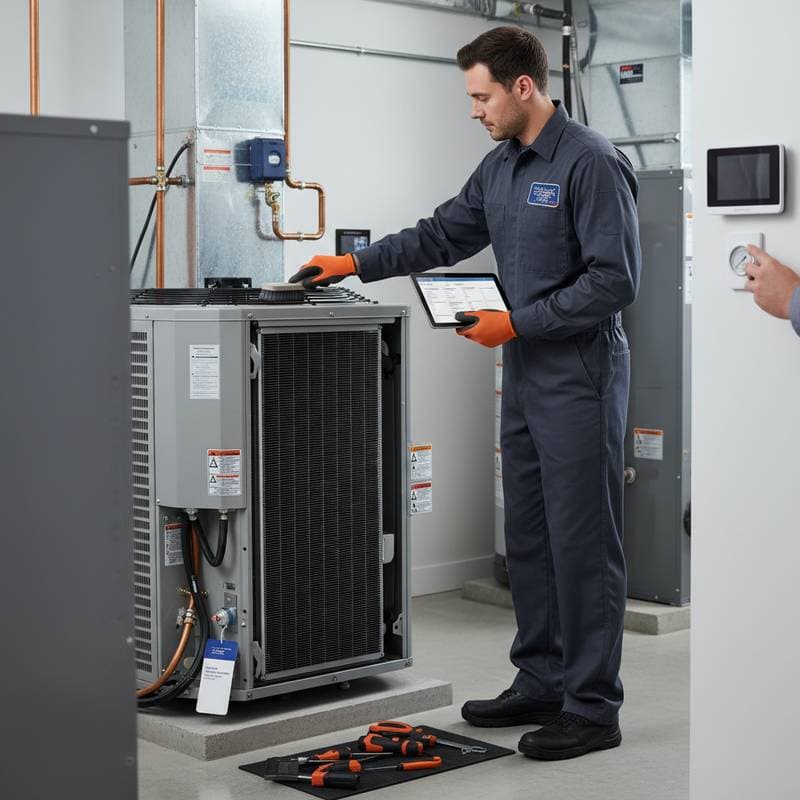
Technicians begin with a visual inspection of the outdoor condenser and indoor evaporator coils. They check for debris, corrosion, or damage that could impede performance. This step ensures the system operates without obstructions.
Next, professionals clean or replace the air filter to improve airflow. Dirty filters force the blower to work harder, increasing energy demands. A fresh filter restores balance and efficiency.
Refrigerant levels receive careful measurement and adjustment. Low refrigerant causes the compressor to overwork, leading to potential failure. Technicians also inspect electrical connections and lubricate moving parts to reduce friction.
The thermostat undergoes calibration to maintain accurate temperature control. Faulty sensors result in overcooling or undercooling, wasting energy. Finally, the entire system tests under load to verify smooth operation.
Detailed Tune-Up Checklist
- Inspect and clean condenser coils: Remove dirt and debris to enhance heat dissipation.
- Check electrical components: Tighten wiring and test capacitors for safety and reliability.
- Examine drain lines: Clear clogs to prevent water damage and mold growth.
- Measure airflow and static pressure: Ensure proper ventilation without strain.
- Test fan motors and belts: Lubricate and adjust for quiet, efficient performance.
- Calibrate thermostat settings: Verify accuracy for optimal temperature regulation.
Simple Home Maintenance Tasks
Homeowners can perform basic upkeep between professional services to maintain system health. Start by replacing air filters every one to three months, depending on usage. Select filters with a MERV rating suitable for your unit to balance filtration and airflow.
Keep the outdoor unit clear of vegetation and debris. Maintain at least two feet of clearance around the condenser to allow proper ventilation. This practice prevents overheating and extends component life.
Monitor the thermostat for consistent readings. Set it to a moderate temperature when away from home to avoid unnecessary strain. These habits complement professional care and contribute to overall efficiency.
Choosing a Reliable Service Provider
Select technicians certified by organizations like NATE or licensed through state programs. Experience with your specific AC brand ensures thorough knowledge of potential issues. Request references or reviews to gauge reliability.
Inquire about service guarantees and what the tune-up package includes. Transparent pricing avoids surprises, and bundled maintenance plans offer cost savings over time. Prioritize providers who emphasize energy efficiency in their approach.
Emergency availability matters for unexpected problems. A dependable company responds promptly during heat waves, minimizing discomfort and repair expenses.
Long-Term Savings and System Longevity
Consistent tune-ups yield substantial financial returns. Beyond the 15 percent energy reduction, avoided repairs save hundreds in emergency calls. A system lasting 15 to 20 years instead of 10 provides the greatest value.
Healthier homes result from reduced allergen circulation and stable humidity levels. Families enjoy uninterrupted comfort without the stress of malfunctions. These outcomes justify the modest investment in maintenance.
Embrace proactive care to transform your AC from a seasonal expense into a reliable asset. Schedule your next tune-up today and experience the difference in performance and peace of mind.




