
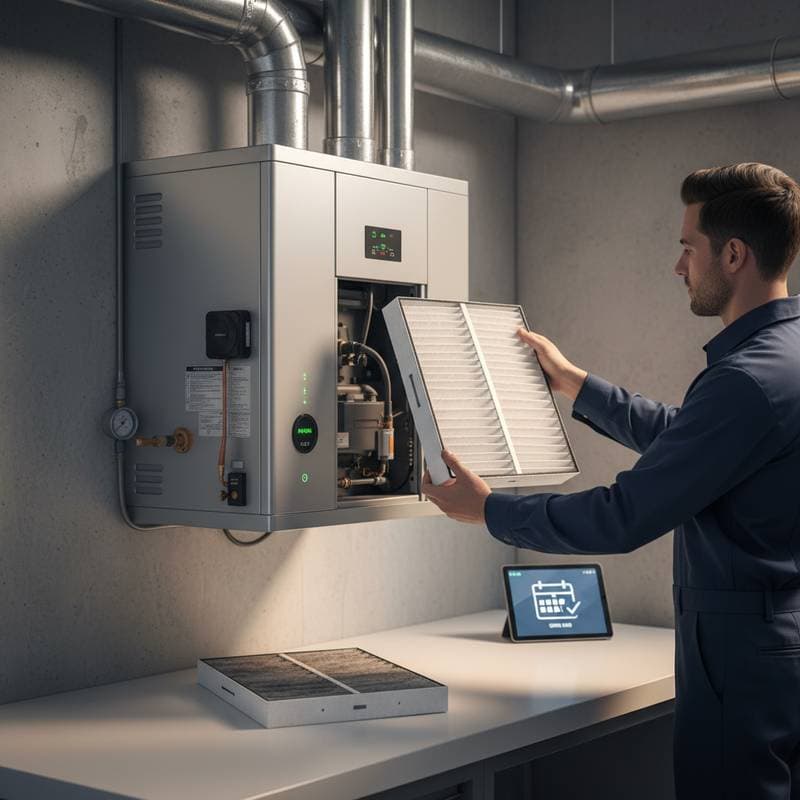
HVAC Filter Replacement: A Seasonal Guide to Efficiency
Maintaining an HVAC system requires consistent attention to basic components, and the air filter stands as one of the most critical. Regular replacement ensures smooth airflow, reduces energy consumption, and safeguards the unit from premature damage. Homeowners often overlook this task, resulting in restricted air circulation, diminished indoor air quality, and elevated electricity bills. Adopting a structured seasonal replacement plan fosters a healthier, more cost-effective living space throughout the year.
The Impact of Regular Filter Maintenance
Air filters serve as the first line of defense, capturing dust, pollen, pet dander, and other airborne particles before they spread through the home. As these filters accumulate debris, they impede airflow, compelling the HVAC system to operate at higher intensities to maintain desired temperatures. Data from Energy Star indicates that a clogged filter can increase energy usage by as much as 15 percent, translating to noticeable spikes in monthly utility expenses.
Beyond energy savings, timely replacements enhance overall air quality, which proves especially beneficial for individuals suffering from allergies, asthma, or other respiratory conditions. Cleaner filters allow the system to circulate fresher air more effectively, reducing the concentration of irritants in living areas. This practice also extends the lifespan of the HVAC equipment by minimizing strain on the blower motor and other internal parts, potentially avoiding costly repairs or full system replacements.
Establishing a Seasonal Replacement Routine
While specific requirements vary based on home size, occupancy, and environmental factors, a seasonal approach provides a reliable framework for most households. This schedule accounts for peak usage periods and seasonal contaminants, helping to prevent common issues like reduced efficiency or system strain.
Spring Preparation:
As temperatures rise, pollen levels surge, intensifying allergy symptoms for many residents. Replace the filter at the onset of spring to combat this influx of outdoor allergens. For homes in high-pollen areas, opt for filters with a MERV rating of 8 to 11, and perform monthly inspections if using higher-efficiency options, as they may clog more quickly.
**Summer **
Cooling systems engage more frequently during hot months, drawing in greater volumes of humid air and associated pollutants. Schedule a mid-season replacement, ideally around July, to sustain optimal performance and avoid complications such as evaporator coil freezing. In pet-owning households or those with high foot traffic, consider filters rated MERV 11 or higher to handle increased dander and dust without restricting airflow.
Fall Transition:
Cooler weather brings indoor dust from open windows and the reactivation of heating elements. Install a fresh filter just before the first use of the furnace to eliminate the common odor of accumulated dust burning off. This step ensures even heat distribution and prepares the system for consistent winter operation.
Winter Vigilance:
Heating demands peak in colder months, with systems running extended cycles that accelerate filter saturation. Check the filter every four weeks and replace it if it appears soiled, aiming for changes at least twice during the season. Proper airflow during this period maintains steady temperatures, reduces energy draw, and prevents issues like uneven heating in multi-story homes.
Selecting Filters for Optimal Performance
Filters differ in construction, efficiency, and compatibility with HVAC systems, so informed selection proves essential. The Minimum Efficiency Reporting Value (MERV) scale, ranging from 1 to 16, measures a filter's ability to capture particles; higher ratings indicate finer filtration but may increase airflow resistance if not matched to the system's capacity.
Basic fiberglass filters offer affordability and basic protection against larger debris, suitable for standard residential use with replacements every one to three months. For improved durability and particle capture, choose pleated polyester or cotton models, which maintain shape longer and handle moderate contaminants effectively. Households prioritizing air purity, such as those with allergy sufferers or smokers, benefit from pleated high-efficiency filters rated MERV 12 to 13, provided the HVAC unit's manual confirms compatibility to avoid overworking the fan.
Consulting an HVAC professional during annual servicing helps determine the ideal filter type, especially for older systems that may not tolerate dense media. Testing airflow after installation, by feeling for strong air output from vents, confirms the filter integrates seamlessly.
Practical Strategies for Effective Maintenance
Implementing a few targeted habits elevates the effectiveness of any filter replacement routine.
- Establish automated reminders through calendar apps or smart assistants, setting alerts for every 60 to 90 days based on your schedule.
- Conduct visual inspections regularly; a filter that has shifted from white to gray or feels resistant to air passage requires immediate replacement.
- Maintain a stock of spare filters in various sizes if needed, storing them in a dry area to preserve integrity.
- Verify installation orientation by aligning the arrow on the filter frame with the direction of airflow, typically toward the furnace or air handler.
- Integrate filter changes with broader HVAC tune-ups, performed by certified technicians, to address related components like ducts and coils.
Sustaining Long-Term System Health
Adhering to a disciplined filter replacement calendar yields compounding benefits, from immediate energy reductions to prolonged equipment reliability. This proactive approach not only curbs operational costs but also enhances daily comfort by delivering consistent, clean air. Homeowners who commit to these practices invest in a resilient HVAC system that supports well-being and financial efficiency across seasons.




