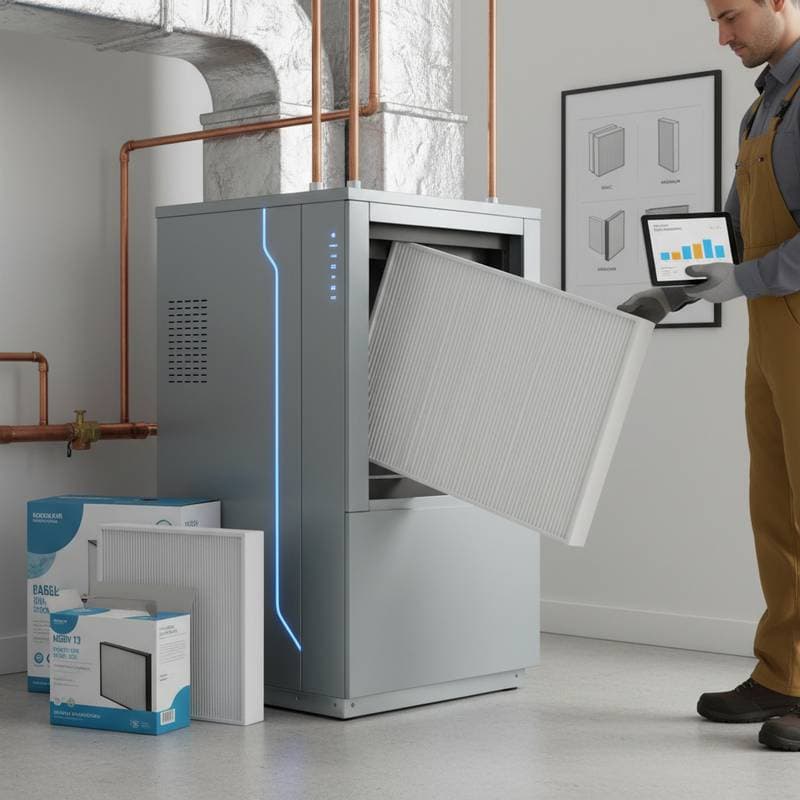
Why Fall Demands a Fresh HVAC Filter
Cooler temperatures signal the start of heating season, when your HVAC system works harder to maintain comfort. A clean filter allows efficient airflow, reduces energy consumption, and prevents strain on your furnace. Neglecting this simple task can lead to higher utility bills, poor air quality, and potential system breakdowns.
Homeowners often overlook filter replacement until issues arise, such as uneven heating or dusty surfaces. Regular swaps, especially in fall, capture seasonal debris like leaves and pollen that enter through open windows. This maintenance step supports both system longevity and family health.
Recognize the Signs for Immediate Replacement
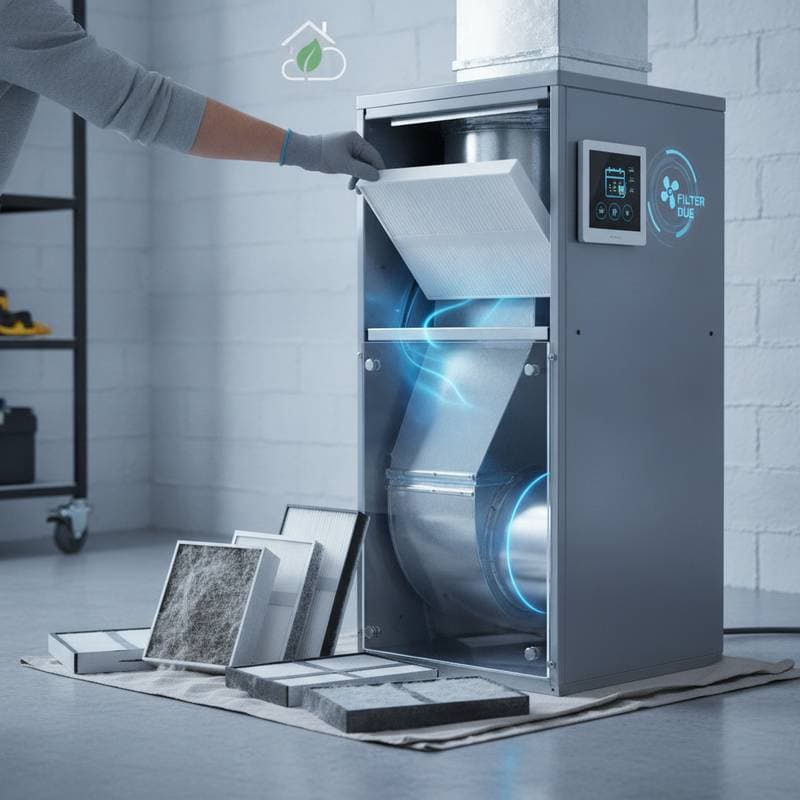
Visual cues provide the clearest indicators. If the filter appears gray, clogged with dust, or deformed from buildup, replace it without delay. Reduced airflow manifests as weaker warm air from vents or longer run times for the furnace.
Energy bills offer another signal. A dirty filter forces the system to labor, increasing costs by up to 15 percent. Indoor air quality declines too, with more allergens circulating if the filter fails to trap particles effectively.
For fall specifically, monitor usage patterns. Systems dormant over summer accumulate dust, so inspect filters monthly as heating begins. Homes with fireplaces or wood stoves may require swaps every four to six weeks due to additional soot.
Filter Types and MERV Ratings Explained
Filters vary by construction and performance. Fiberglass models, the most basic, consist of woven strands that catch large particles like pet hair and lint. These suit standard homes but offer limited protection against finer contaminants.
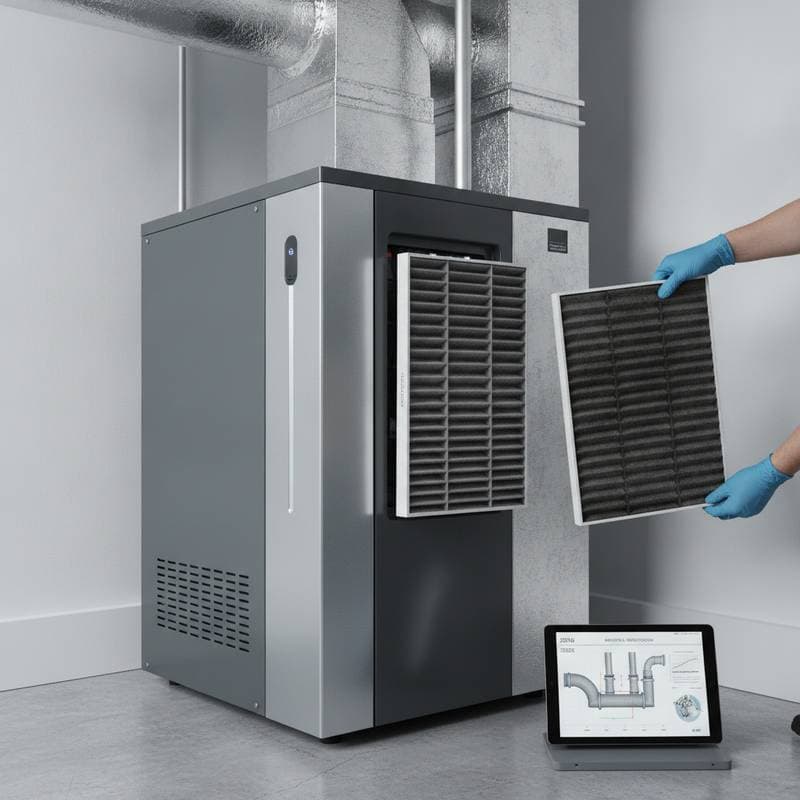
Pleated filters, folded for greater surface area, use synthetic or cotton-polyester materials. They excel at capturing dust, pollen, and mold spores, making them ideal for fall when allergens peak. High-end options include electrostatic filters that attract particles via charge.
The Minimum Efficiency Reporting Value (MERV) rates effectiveness on a scale from 1 to 20. Entry-level filters (MERV 1-4) handle basic debris at low cost. Mid-tier (MERV 8-12) balance filtration and airflow for everyday residential needs. Advanced (MERV 13-16) target viruses and smoke but may require a compatible, powerful HVAC system to avoid restrictions.
Select based on household needs. Allergy-prone families benefit from MERV 11 or higher, while pet owners prioritize pleated designs for dander control. Always match the filter size to your unit, typically 16x25x1 inches for standard systems.
Timing Your Fall Replacement Schedule
Most manufacturers recommend changes every 1-3 months, but fall accelerates this timeline. Start with a fresh filter at season's onset, around September, to handle initial heating demands. Inspect every 30-60 days thereafter, depending on system runtime.
Environmental factors adjust frequency. Dusty rural areas or urban construction zones demand monthly swaps. High-occupancy homes with children or smokers see faster clogging from activity and residues. Humidity levels matter too; drier fall air can dry out filters, prompting earlier replacement.
Track via calendar reminders or smart thermostats with alerts. For continuous systems, aim for quarterly changes. This prevents efficiency drops and extends equipment life by years.
Breaking Down HVAC Filter Costs
Pricing starts low for essentials. Basic fiberglass filters cost $10 to $20 each, available at hardware stores. Pleated versions range from $20 to $60, offering better value over time through longer life spans.
Premium HEPA or allergen-specific filters reach $60 to $100, justified by superior air purification. Bulk purchases cut costs by 20 percent; a 12-pack of mid-range filters might total $200, or $16.67 per unit.
Subscription models from retailers deliver quarterly for $15-40 per filter, including shipping. These eliminate oversight and stabilize budgeting. Regional variations apply; coastal areas pay 10-15 percent more due to corrosion-resistant needs.
Economic shifts, like material inflation, can raise prices seasonally. Fall demand often adds a slight premium, so stock up in late summer.
Professional Services and Additional Expenses
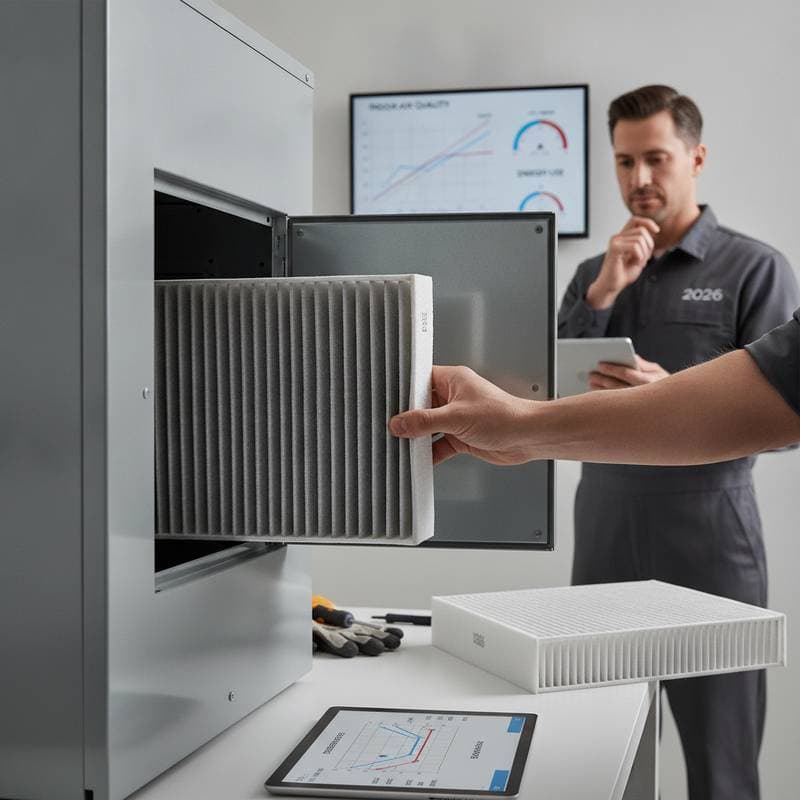
DIY replacement suits most, requiring only a screwdriver and new filter. However, technicians charge $75 to $150 for visits, including inspection. This proves worthwhile for complex setups or if ducts need cleaning.
Duct services, at $300 to $600, remove accumulated grime that burdens filters. Annual maintenance packages bundle filter swaps with tune-ups for $150-300, ensuring peak performance.
Emergency calls for sudden failures cost extra, up to double standard rates. Membership programs offer discounts and priority access, ideal for frequent needs.
Selecting the Optimal Filter for Fall Conditions
Fall brings leaf debris, pollen remnants, and closed windows that trap indoor pollutants. Opt for a pleated MERV 8-12 filter to manage these without impeding heat flow. It traps 85 percent of common allergens while maintaining efficiency.
For enhanced protection, choose MERV 13 if your system supports it. These capture bacteria and fine dust, vital during flu season. Avoid over-filtration in older units, as it strains blowers and hikes energy use.
Test compatibility by checking airflow post-installation. If vents blow weakly, downgrade the rating. Pair with dehumidifiers in damp climates to prolong filter life.
Maintain Efficiency Through the Season
Beyond filters, seal drafts around doors and windows to lessen system workload. Schedule a pre-winter tune-up to verify thermostat accuracy and coil cleanliness.
Monitor performance weekly: listen for unusual noises or check for hot spots. These steps, combined with timely replacements, yield 10-20 percent energy savings and fresher air.
Investing effort now pays dividends in comfort and cost control. A well-maintained HVAC system supports a healthier home as winter approaches.