Why Fall Marks the Perfect Time for HVAC Filter Maintenance
As temperatures drop, heating systems work harder to maintain indoor warmth. A clogged filter forces the blower motor to strain, increasing energy use and potentially raising bills by up to 15 percent. Timely replacement in fall ensures smooth operation, better air circulation, and reduced wear on components.
Clean filters trap dust, pollen, and allergens before they spread through your home. This action not only enhances air quality but also prevents efficiency losses that accumulate over time. Homeowners who prioritize this step report noticeable improvements in comfort and lower utility costs during the heating season.
Establishing Your Filter Replacement Schedule
The frequency of filter changes depends on your living environment and household factors. Factors such as pet dander, smoking, or nearby construction influence how quickly filters accumulate debris. Adopting a personalized schedule prevents overlooked maintenance and maximizes system performance.
Consider these guidelines based on common scenarios:
- Every month for homes with pets or smokers, where dander and residue build up rapidly.
- Every two months for suburban homes with light dust from daily activities.
- Every three months for rural properties with minimal pollution and low traffic.
Perform a visual inspection to confirm the need for replacement. Hold the filter against a light source; if light fails to pass through, debris has saturated the material. This method provides a quick, reliable assessment without specialized tools.
Selecting the Optimal Filter for Your HVAC System
Filters vary in efficiency and design, so matching one to your system's requirements proves essential. The Minimum Efficiency Reporting Value, or MERV rating, measures particle capture capability. For most residential setups, ratings from 8 to 13 strike an effective balance between filtration power and unrestricted airflow.
Higher MERV ratings excel at trapping microscopic particles like mold spores or fine dust. However, they may reduce airflow in older systems not equipped to handle the added resistance. Consult your HVAC manual or a professional to verify compatibility before selecting advanced options.
Size represents another critical factor often neglected by homeowners. An ill-fitting filter creates gaps that permit unfiltered air to enter the system, diminishing overall effectiveness. Measure the existing filter's dimensions precisely, including length, width, and thickness, and cross-reference with the manufacturer's specifications for your furnace or air handler.
Advanced Filter Options for Enhanced Performance
Pleated filters offer greater surface area for trapping contaminants compared to flat styles. This design allows them to capture more particles while maintaining adequate airflow over longer periods. Electrostatic filters, which use an electric charge to attract debris, provide another upgrade for allergy sufferers seeking superior air purification.
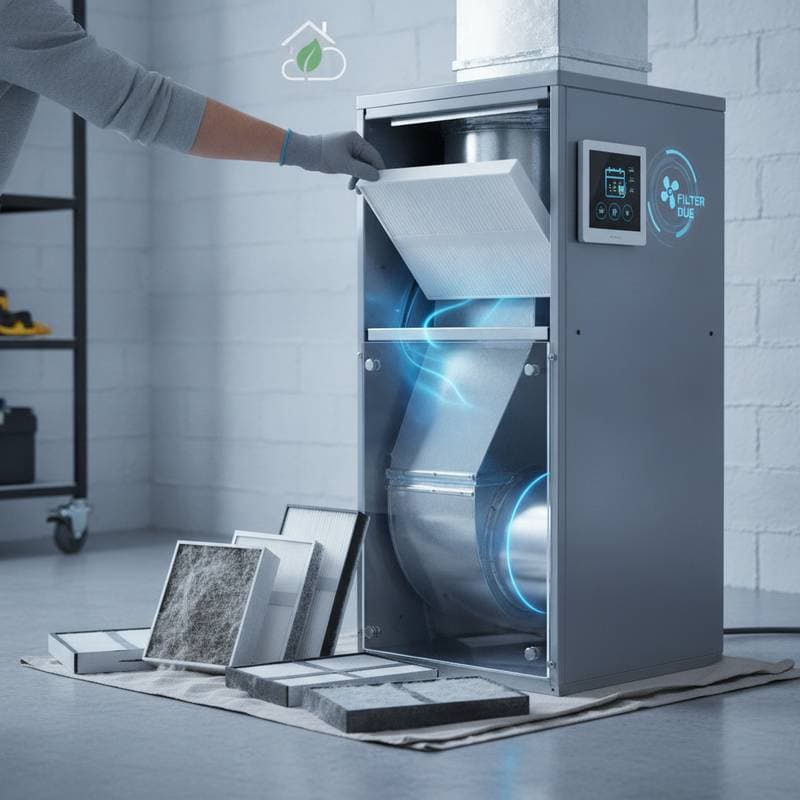
Brands such as Filtrete and Honeywell produce innovative models with built-in tracking features. These smart filters connect to mobile applications that monitor usage and alert users to replacement times. Although the initial investment exceeds basic filters, the convenience and extended lifespan justify the cost for busy households.
Guide to DIY Filter Replacement
Most homeowners can replace filters independently with basic precautions. This routine task requires no advanced skills and typically completes in under ten minutes. Regular practice builds familiarity with your system and empowers proactive care.
Annual professional servicing complements DIY efforts by addressing broader system health. Technicians examine components like blower motors, ductwork, and thermostats for issues that filters alone cannot resolve. They also recommend filters tailored to your local climate and home layout, ensuring long-term reliability.
Follow these steps for a safe and effective replacement:
- Shut off power to the HVAC system at the thermostat and breaker to avoid electrical hazards.
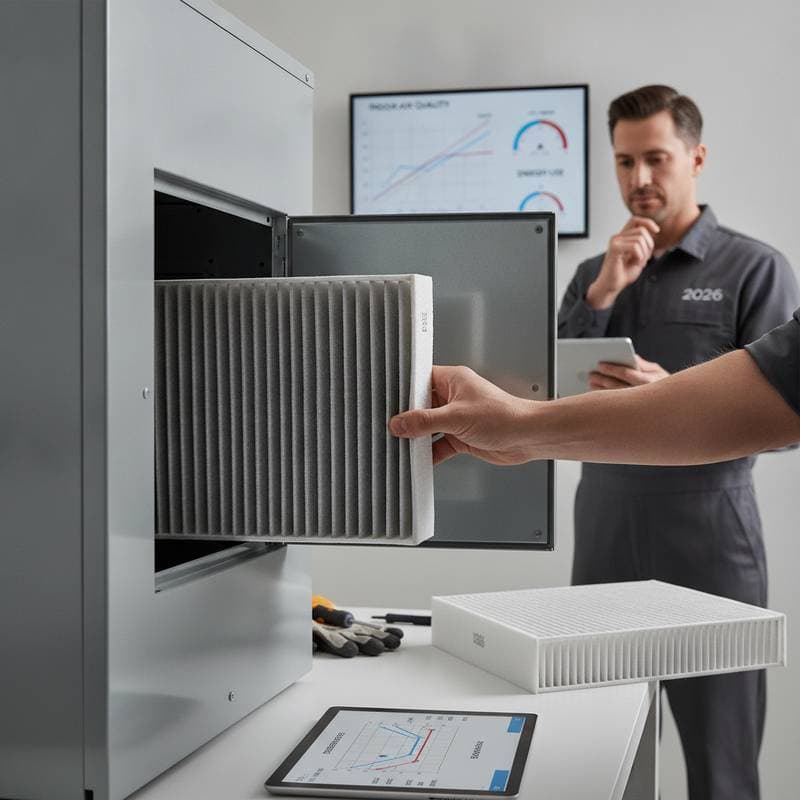
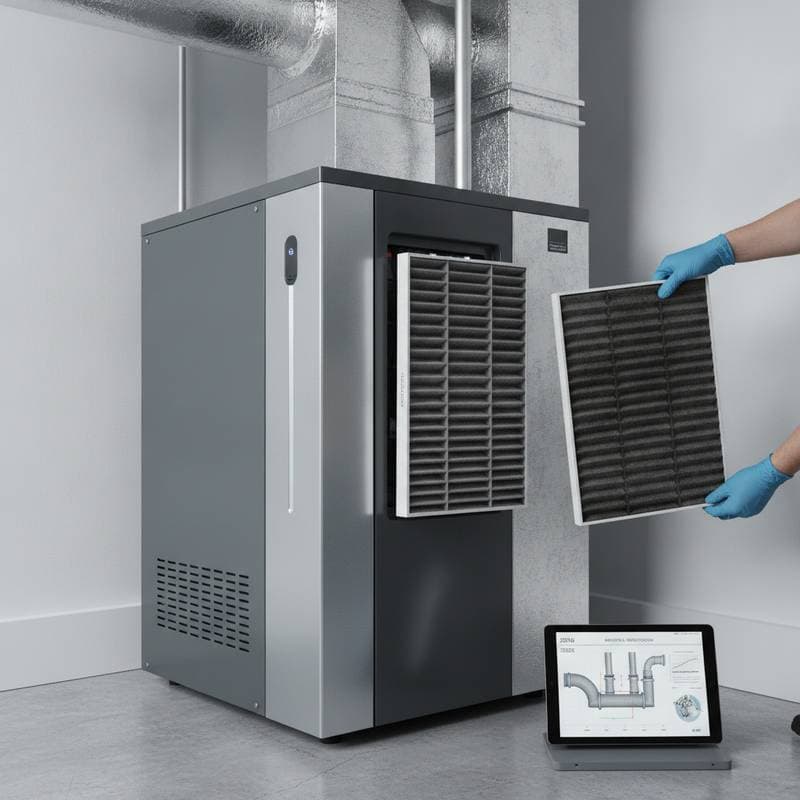
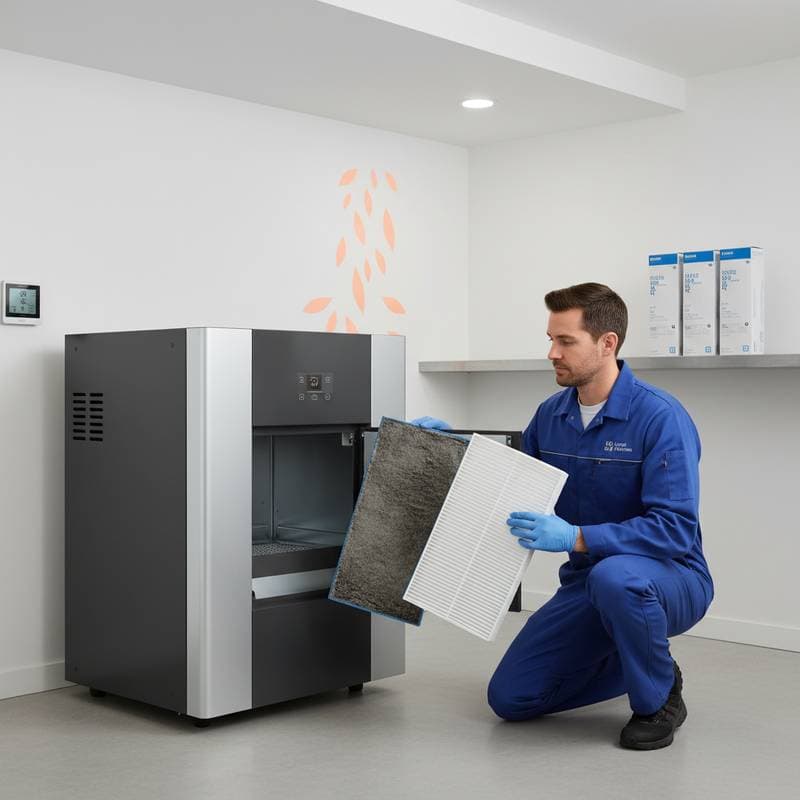
- Locate and remove the access panel, then extract the old filter while noting the directional airflow arrows on its frame.
- Slide the new filter into place, aligning the arrows to point toward the incoming air direction, typically toward the furnace.
- Reattach the panel securely and restore power, then test the system for proper operation.
If uncertainty arises during the process, consult the owner's manual or seek professional guidance to prevent errors.
Sustaining Efficiency Through Consistent Care
Regular filter maintenance forms the foundation of a durable HVAC system. By minimizing strain on the motor and coils, clean filters extend equipment lifespan and stabilize indoor temperatures. They also curb dust accumulation in ducts and vents, avoiding expensive deep cleanings down the line.
Homeowners adhering to a seasonal routine experience additional perks, including reduced noise from overworking fans and visibly cleaner surfaces. Pair this with yearly inspections and programmable thermostat settings for comprehensive energy management. These combined practices yield a home environment that remains comfortable and cost-effective year-round.
Fall provides an opportune moment to reset your maintenance habits. Inspect your current filter today, replace it as necessary, and establish a calendar reminder for future checks. With these measures, your home delivers reliable warmth, superior air quality, and savings that compound over time.