Understanding Whole-Home Water Filtration Systems
Whole-home water filtration systems deliver clean, safe water to every faucet in your residence. These setups address various water quality issues, from taste and odor to contaminants and hardness. Selecting the appropriate system requires evaluating your specific needs, such as water source and local water challenges.
Several types of systems serve different purposes. Carbon filtration systems eliminate chlorine, sediment, and organic compounds, providing an economical choice for enhancing taste and odor. Reverse osmosis systems deliver thorough purification by pushing water through a semi-permeable membrane, removing numerous contaminants, though they consume more water and energy. Water softeners tackle hard water by swapping minerals like calcium and magnesium for sodium or potassium. UV filtration systems employ ultraviolet light to deactivate bacteria and viruses, frequently serving as an additional safeguard.
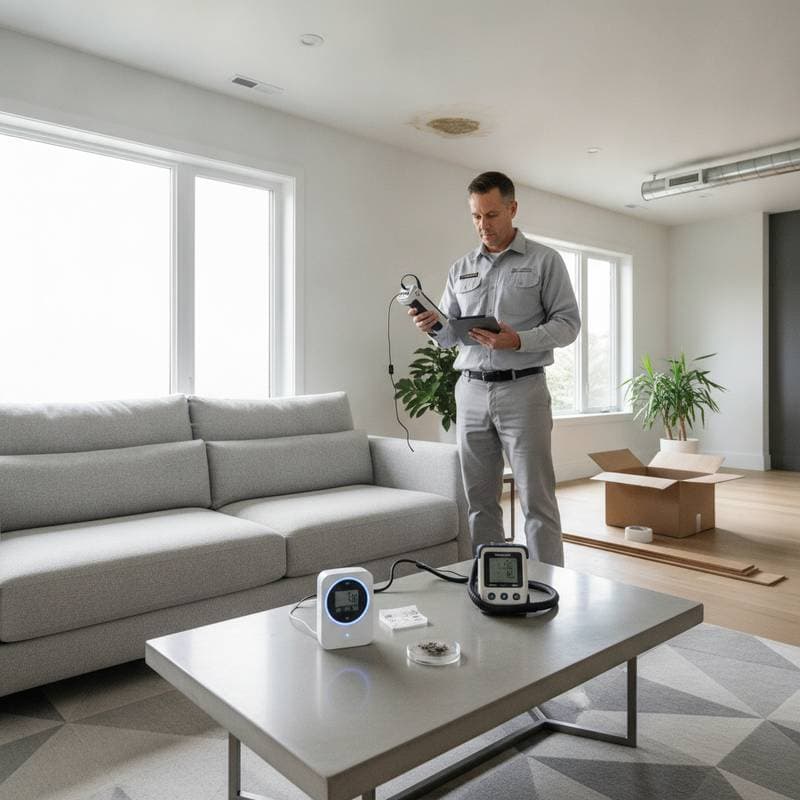
The ideal system aligns with your water source, current plumbing configuration, and target contaminants. Begin with a professional water test, which generally ranges from 100 to 300 dollars, to inform your decision.
Initial Equipment Costs
Equipment prices fluctuate based on system type and capacity. For a modest residence, a fundamental carbon system typically ranges from 600 to 1,000 dollars. Larger households or those requiring multi-stage filtration may invest between 1,500 and 3,000 dollars. Reverse osmosis systems, prized for comprehensive purification, commence around 3,500 dollars and ascend to 7,000 dollars for robust models.
Consider add-ons like UV filtration or sediment pre-filters, which increase expenses but boost performance and longevity. Seek certifications from bodies such as NSF or WQA to confirm that systems adhere to performance and safety benchmarks. Compare models by reviewing specifications on capacity, contaminant removal rates, and warranty durations to secure optimal value.
Installation Expenses
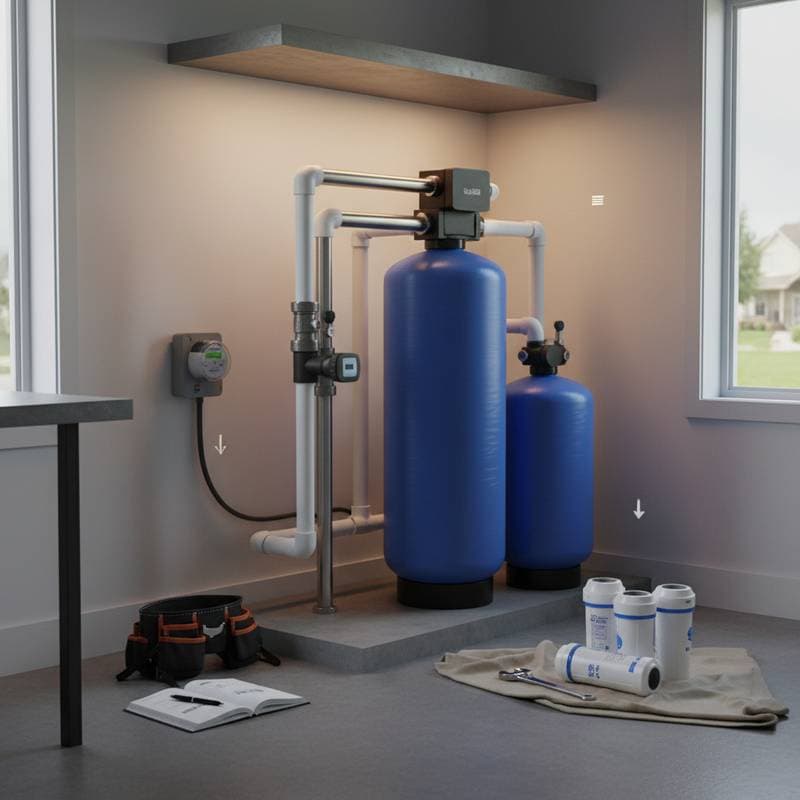
Installation involves integrating the system with your primary water line, potentially necessitating pipe modifications. Labor fees vary with system complexity, plumbing arrangement, and access to the main line.
A straightforward setup costs 400 to 800 dollars. Intricate systems or properties with dated plumbing may elevate expenses to 1,500 dollars. Reverse osmosis installations often demand extra drain lines or electrical connections, further increasing the total.
Engage a licensed plumber to avoid risks like leaks or pressure disruptions that could invalidate warranties. Professional work ensures dependability and minimizes future repairs, often justifying the expenditure through sustained efficiency.
Maintenance and Operating Costs
Ongoing maintenance frequently surprises budget planners, as systems feature replaceable elements essential for functionality. Neglecting these can cause blockages, diminished pressure, or compromised filtration.
Carbon filters require replacement every 6 to 12 months, with costs of 50 to 150 dollars per unit. Reverse osmosis membranes endure 2 to 3 years and range from 100 to 200 dollars. UV lamps need yearly changes at about 100 dollars each. Water softeners demand salt or potassium refills every few months, at 10 to 20 dollars per bag.
Homeowners can perform basic filter swaps, but annual professional services, priced at 150 to 300 dollars, encompass inspections, replacements, and testing. Establish a maintenance calendar to track schedules and sustain water quality while prolonging system durability.
Energy and Water Consumption
Carbon systems operate without electricity, keeping energy costs low. In contrast, reverse osmosis and UV systems require power, and reverse osmosis generates wastewater, expelling one to three gallons per filtered gallon based on efficiency.
This process may incrementally raise utility bills in high-usage homes. Contemporary designs cut wastewater by up to 50 percent over legacy models. Evaluate products by their recovery rates and energy specs to project accurate ongoing expenses; opt for energy-efficient variants to curb environmental impact.
Weighing DIY Versus Professional Installation
DIY approaches can reduce costs, yet they pose hazards, particularly if manufacturers mandate professional setup for warranty validity. Plumbing errors risk contamination or leaks demanding expensive corrections.
Basic carbon filters suit experienced individuals with detailed guides. For reverse osmosis or UV systems, professional expertise proves vital. Experts assess water pressure, flow, and plumbing compatibility, often pairing installation with maintenance packages for added savings.
Assessing Long-Term Value
Initial outlays appear substantial, yet benefits accrue over time. Purified water lessens strain on appliances like dishwashers and heaters, while curbing scale extends fixture lifespans and yields savings.
Users frequently note enhanced taste and skin feel post-installation. Properties equipped with advanced filtration appeal to health-conscious buyers, potentially elevating resale value. View this upgrade as an investment in wellness and property enhancement.
Resolving Frequent Challenges
Post-installation issues arise but yield to routine care.
Low pressure signals a clogged filter; swap it to reinstate flow. Odors suggest bacterial buildup; sanitize the housing to eliminate them. Cloudy water stems from air pockets after changes; flush taps for minutes to clarify. Leaks trace to loose fittings; secure them or replace O-rings for resolution.
Safeguarding Your System
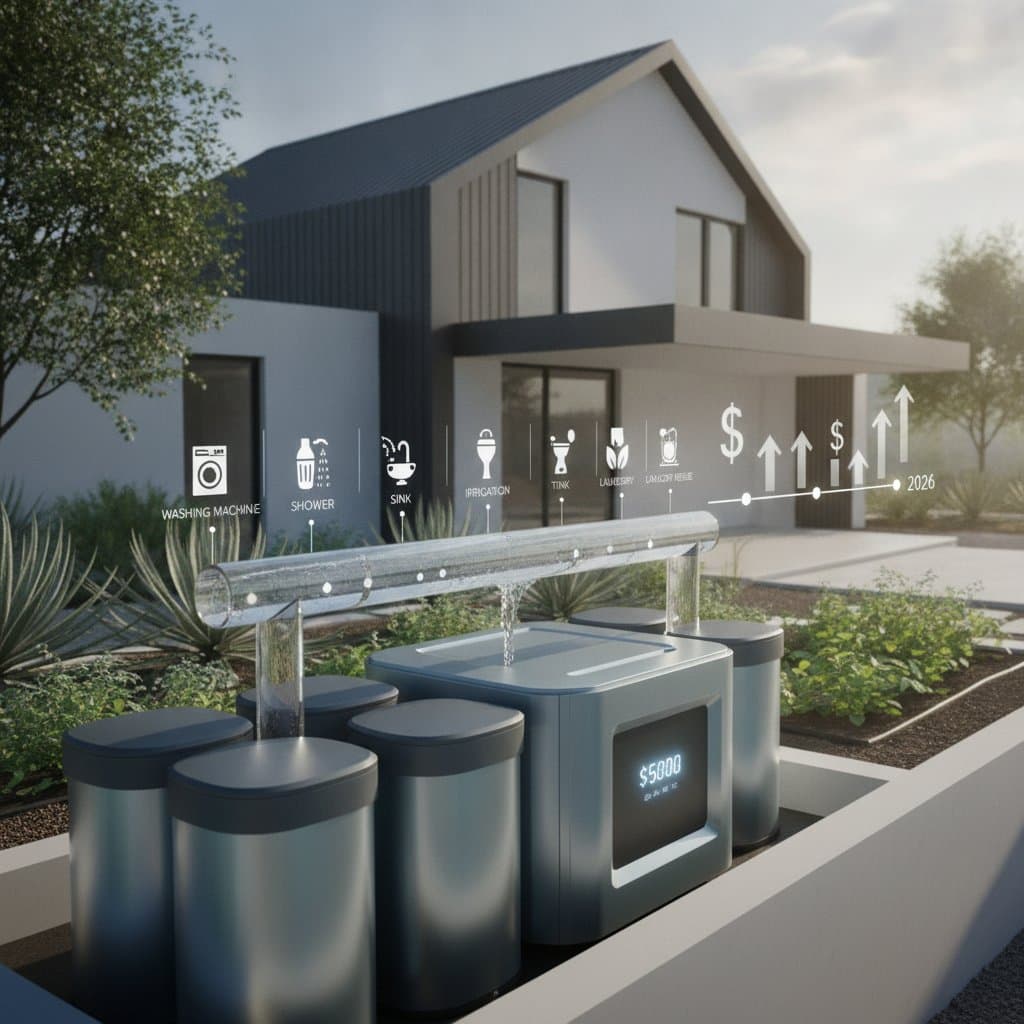
Treat your filtration system as a enduring asset for superior living. Implement a consistent maintenance routine, monitor replacement timelines, and conduct yearly water tests. Comprehensive costs, spanning equipment, setup, and care, aggregate 2,000 to 8,000 dollars across years. The rewards in health, home protection, and tranquility render it a sound choice.