Understanding Sewage Pump Replacement Costs and Lifespan
Sewage pumps play a critical role in homes with plumbing below the main sewer line. These devices lift wastewater from basements, lower-level bathrooms, or laundry areas into the primary drainage system. When a pump fails, it can lead to backups and costly emergencies, making informed replacement planning essential for homeowners.
Knowing the factors that influence costs allows you to anticipate expenses and schedule service proactively. This approach minimizes disruptions and protects your property from water damage. Below, we break down the essentials of pricing, installation, and long-term care.
Core Elements of Sewage Pump Pricing
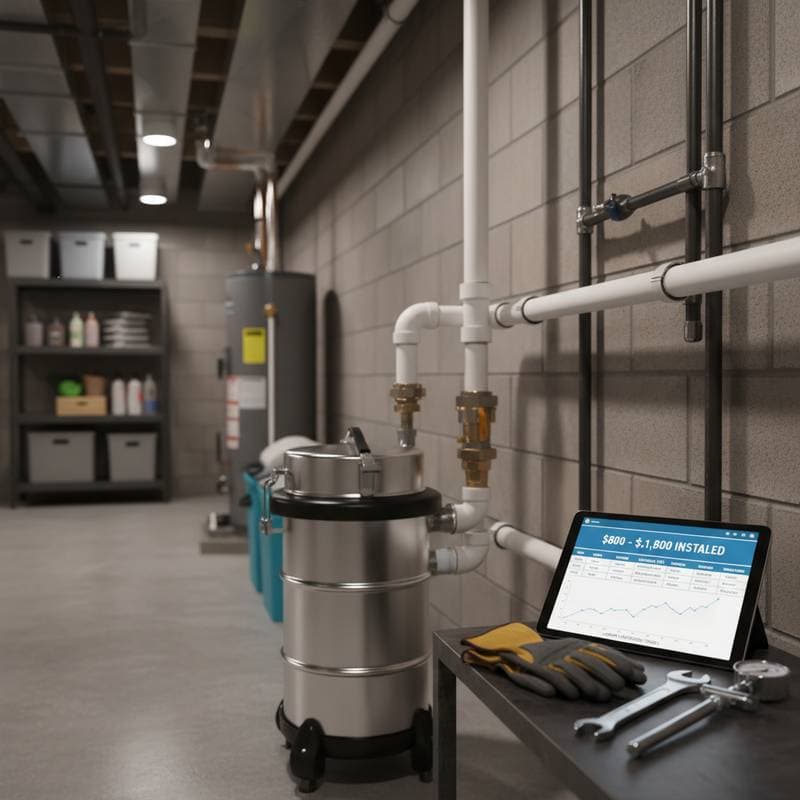
The average cost for installing a new sewage pump nationwide ranges from $800 to $1,800, covering both labor and materials. Simpler replacements using standard models typically stay near the lower end of this spectrum. More advanced systems, such as those with higher horsepower or durable casings, may push totals above $3,000.
Location significantly impacts the final bill. In cities with elevated labor costs, expect 20 to 30 percent more than in rural areas. Local regulations often require permits, which add $50 to $200, while flood zones might necessitate specialized corrosion-resistant pumps that increase material prices by 15 to 25 percent.
Seasonal demand also affects rates. Spring and fall see higher groundwater levels, leading to more service calls and potential surcharges of 10 to 20 percent. Economic factors, like rising steel prices or supply disruptions, can elevate costs across the board, so timing your project during off-peak months may yield savings.
Common Pricing Approaches for Installations
Plumbers use various methods to structure fees, each suited to different project needs. Hourly billing, at $75 to $150 per hour, works well for diagnostics or minor adjustments but can vary based on unforeseen issues. Flat-rate pricing provides upfront certainty, often incorporating buffers for standard complications like pit access challenges.
For comprehensive jobs, such as full ejector system overhauls, project-based fees bundle elements like basin preparation and valve upgrades. Many firms offer tiered packages that combine replacement with add-ons, such as annual tune-ups, spreading expenses over time. Consider inquiring about these options during your initial consultation to align with your budget.
Installation Service Levels and Associated Costs
-
Entry-Level Replacement
Ideal for standard single-family homes, this tier uses reliable mid-range pumps and basic setup. Total costs generally fall between $800 and $1,200, including straightforward labor for accessible pits. -
Mid-Tier Professional Installation
This level features enhanced pumps with features like dual alarms or stronger motors for moderate usage. Pricing spans $1,300 to $2,000, accounting for added components that improve reliability. -
High-End Comprehensive Setup
Suited for larger properties or high-demand systems, these include grinder mechanisms and integrated alarms. Expect $2,000 to $3,000 or higher, with benefits like extended warranties for peace of mind. -
Custom Specialized Systems
Tailored solutions, such as those with IoT monitoring or generator backups, address unique site conditions. These start at $4,000 and require detailed site assessments to ensure optimal performance.
Factors That Shape Your Total Project Cost
Project scope and site specifics drive much of the variability in expenses. Accessing a pump in a confined or deep sump pit extends labor time to four to eight hours, raising fees accordingly. Always request a pre-job walkthrough to identify potential hurdles early.
Material selections further influence pricing. Opt for cast iron models, which resist wear better than plastic alternatives, though they cost 20 to 50 percent more upfront. Grinder pumps, effective for handling solids in older pipes, add $500 to $1,000 but reduce clog risks over time.
Electrical modifications, such as wiring upgrades or control panel additions, can contribute another $200 to $500. Evaluate your home's power setup during planning to avoid mid-project surprises that inflate the bill.
Essential Add-Ons and Extra Fees
Beyond the base installation, several services often prove necessary for a complete job. Cleaning the existing basin removes sediment buildup, costing $75 to $150 and preventing new pump issues. Replacing the check valve, at $50 to $100, stops backflow that could damage the system.
For reliability in outage-prone areas, adding a battery backup runs $300 to $800 and activates automatically during power failures. Same-day emergency response typically incurs a $100 to $200 premium, emphasizing the value of routine checks to sidestep urgent calls.
Maintenance subscriptions offer proactive protection, with yearly plans at $150 to $300 covering inspections and minor fixes. These programs extend equipment life and can lower long-term ownership costs by 20 to 30 percent.
Extending Pump Life Through Smart Maintenance
Sewage pumps typically operate for 7 to 15 years under normal conditions, but heavy use from multiple fixtures shortens this to the lower end. Schedule biannual tests of the float switch and clear debris from the basin to maintain efficiency. These simple steps catch wear early and avert failures.
Pairing a new pump with a fresh check valve enhances longevity by blocking reverse flow. Installing a high-water alarm, priced at $100 to $200, alerts you to rising levels before overflows occur. Professional servicing every 12 to 18 months keeps components in top shape without major interventions.
Steps to Plan and Execute Your Replacement
Start by assessing your current system's age and performance through a plumber's inspection, which costs $100 to $200. Gather quotes from at least three licensed providers, comparing not just price but also warranties and service inclusions. Factor in your home's usage patterns to select the right pump capacity.
Timing the work for milder weather reduces logistical challenges and may secure better rates. Post-installation, monitor the system for the first few weeks and log any irregularities. This preparation ensures smooth operation, safeguards your home, and maintains wastewater flow without interruptions for years ahead.